
To grow monkshood from seed, you need cold stratification first: seeds require 4 to 16 weeks of moist cold (around 4–5°C / 39–41°F) before they'll germinate reliably. Without that cold period, most seeds simply won't sprout. Once stratified, sow them 1/8 inch deep at 10–13°C (50–55°F) and expect germination in 4 to 6 weeks. The whole process from seed to garden-ready transplant takes about 4 to 6 months, so planning your timing is everything. This guide focuses on growing monkshood, but the steps and safety mindset are also useful when learning how to grow chaga. And because every part of this plant is highly toxic, gloves are non-negotiable from day one.
How to Grow Monkshood From Seed Step by Step Guide
Marcus Holloway
4 May 2026
Monkshood basics and what it actually needs to thrive
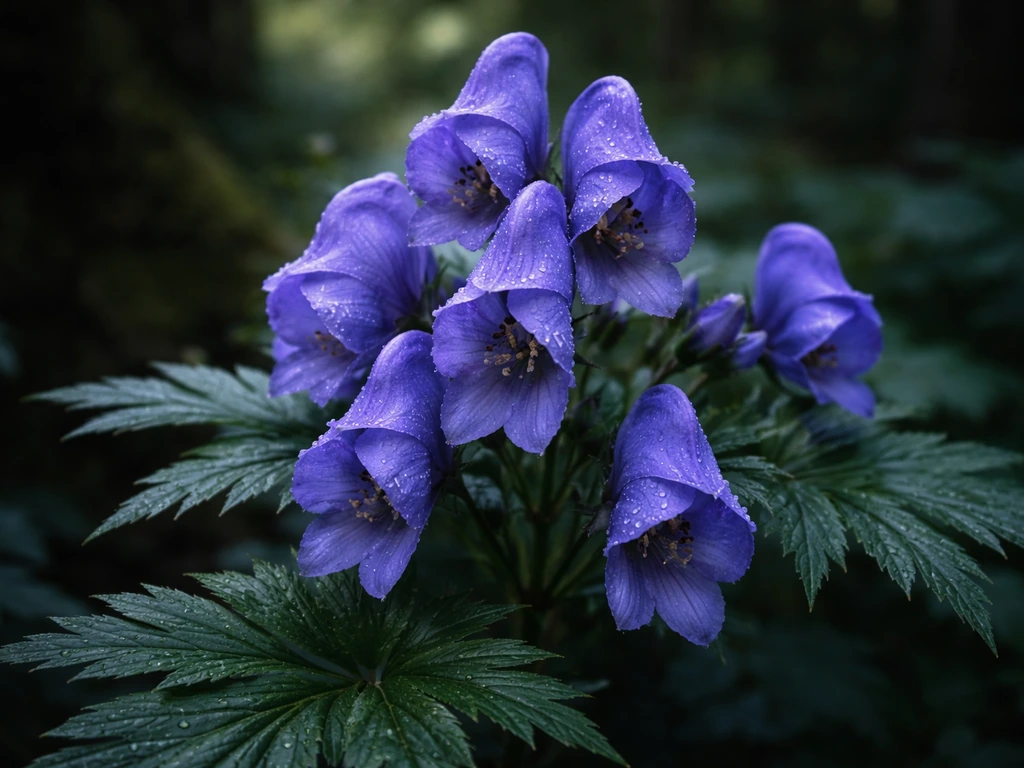
Monkshood (Aconitum) is a cool-climate perennial that goes dormant in winter and comes back strong in spring. It's known for its dramatic hooded flowers in deep purples and blues, which appear mid-to-late summer. Unlike most of the specialty mushrooms covered on this site (think Ganoderma or Cordyceps, which thrive in carefully controlled humidity chambers), monkshood is a garden plant that wants outdoor conditions: real seasons, genuine cold, and living soil. Ganoderma mushrooms have very different requirements, so it's helpful to follow the right setup for that species. Replicating those natural cues is the whole trick to growing it successfully.
Monkshood naturally grows in cool, moist mountain meadows and woodland edges in Europe and Asia. That tells you a lot about what it wants: consistent moisture, good drainage, cool temperatures, and partial shade. It's not a heat-lover. In hot summers, it sulks. In mild, damp climates, it absolutely thrives.
- Temperature: grows best where summers stay below 27°C (80°F); tolerates cold winters and is hardy in USDA zones 3–8
- Light: prefers partial shade to full sun in cooler climates; afternoon shade is critical in warm regions
- Soil pH: 5.5 to 7.0 is the target range; slightly acidic to neutral works well
- Moisture: consistently moist but never waterlogged; poor drainage leads directly to root rot
- Winter dormancy: the plant dies back completely each winter, which is normal and healthy
How to grow monkshood from seed, step by step
Growing monkshood from seed is totally achievable at home, but it's a slow game. Research on Aconitum napellus shows optimal germination of 70–79% after 4 months of cold stratification at 5°C, followed by a month of incubation at cooler temperatures with light. Studies on related species (Aconitum barbatum) confirm that longer cold stratification consistently increases germination rates, and warm stratification alone doesn't work at all. So don't skip the cold step, even if it feels unnecessary.
Step 1: Get the cold stratification right
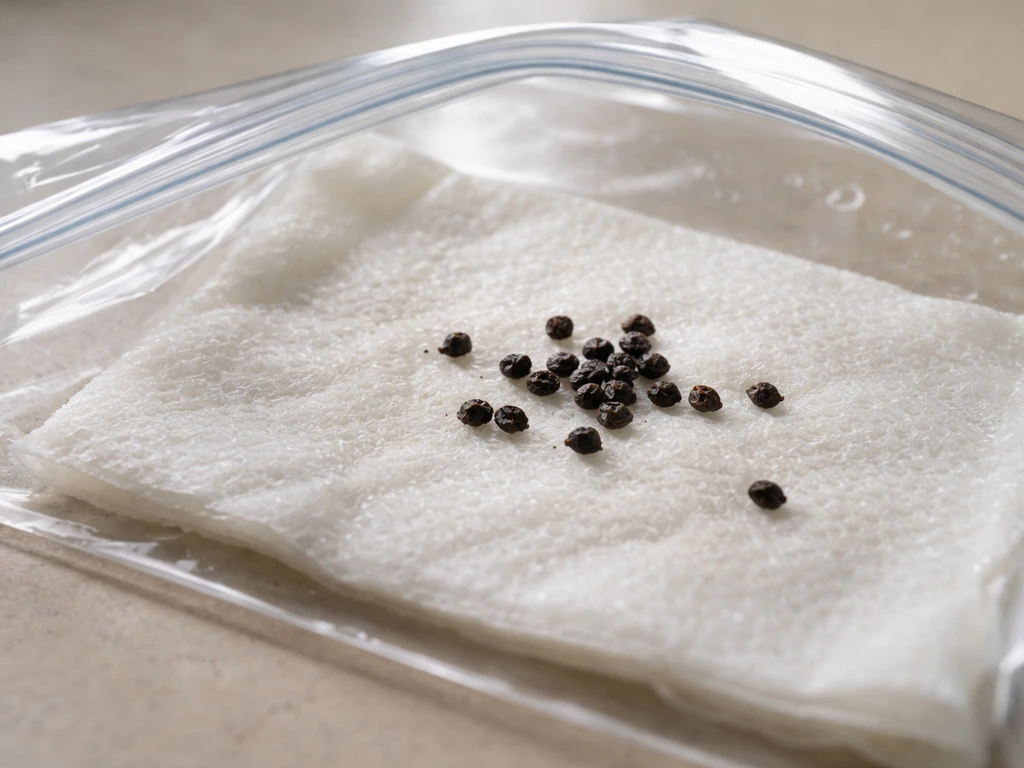
You have two solid options here. The easiest is to sow seeds directly outdoors in late fall, let winter do the work naturally, and watch for germination the following spring. This is exactly what the University of Washington plant propagation protocol recommends: sow just before or when seeds are ripe, outdoors in a cold frame, and let natural winter conditions break dormancy. If you're starting in spring, you'll need to cold-stratify artificially in your fridge.
- Place seeds in a zip-lock bag with a moist paper towel (damp, not dripping wet)
- Seal the bag and put it in the fridge at 4–5°C (39–41°F)
- Leave seeds there for a minimum of 10 weeks, ideally 16 weeks for best results
- Check weekly to make sure the paper towel stays moist and look for any early sprouting
- Once the stratification period is done, move to sowing immediately
Step 2: Sow the seeds correctly
Sow monkshood seeds at exactly 1/8 inch (about 3mm) deep. That's shallower than most garden seeds, and it matters. The RHS specifies that seeds should be left uncovered (or very lightly covered) when sown, and the University of Washington protocol confirms the 1/8-inch depth. Bury them too deep and they won't make it to the surface. Use a good seed-starting mix, not garden soil, because drainage and aeration are key at this stage.
Aim for a sowing temperature of 10–13°C (50–55°F). This is cooler than most seed-starting guides suggest for other plants, but monkshood is a cool-climate species and warmer temps will inhibit germination. A cool garage, unheated basement, or cold frame is ideal. Don't put these on a heat mat.
Step 3: Wait, water, and watch for germination
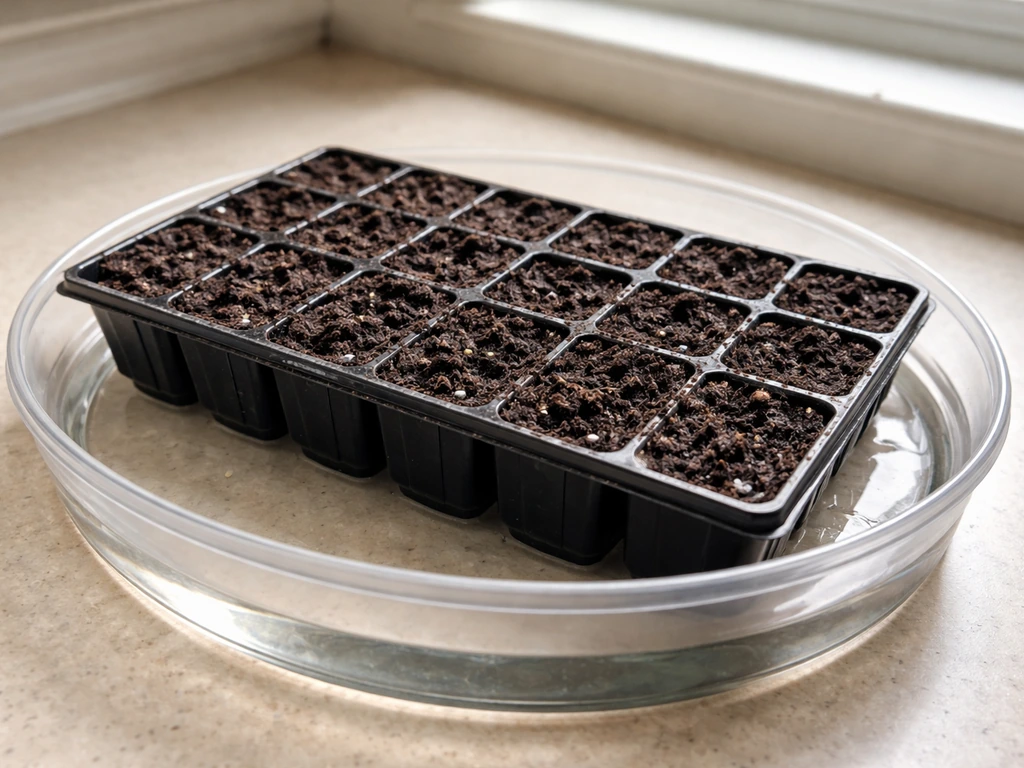
After sowing, keep the mix consistently moist but not wet. Bottom watering (setting the tray in a shallow dish of water) works better than top-watering, which can disturb the shallow seeds and promote damping-off. Cover the tray loosely with a plastic dome or bag to retain humidity, but make sure there's some airflow to prevent mold. Germination typically takes 4 to 6 weeks at the right temperature. Don't panic if nothing appears in week two. Be patient.
Seed-starting timeline from sowing to transplanting
Here's the honest reality of monkshood timing: this is not a quick-turnaround crop. Plan your calendar around the last frost date in your area and work backwards.
| Stage | Timing | What to do |
|---|---|---|
| Outdoor fall sowing | Late October to November | Sow directly in cold frame or garden bed; let winter stratify naturally |
| Fridge stratification (spring start) | 10–16 weeks before last frost | Moist paper towel in bag, held at 4–5°C in the fridge |
| Sowing after fridge stratification | 8–10 weeks before last frost | Sow 1/8 inch deep in seed-starting mix at 10–13°C |
| Germination | 4–6 weeks after sowing | Watch for seedlings; thin to one per cell once 2 true leaves appear |
| Seedling hardening off | 2 weeks before transplanting | Move seedlings outside for increasing hours each day |
| Transplanting outdoors | After last frost, soil workable | Plant out when nighttime temps stay above 5°C (41°F) |
| First bloom (from seed) | Second or third summer | Monkshood from seed rarely blooms in year one; patience required |
Once seedlings have developed their first true set of leaves, thin to one per cell or pot. Don't over-fertilize young seedlings. A half-strength balanced liquid fertilizer every two weeks is plenty once true leaves appear. Keep them cool and in bright indirect light indoors, or in a cold frame with ventilation during warmer parts of the day.
Soil, watering, and light through the seasons
Monkshood's biggest enemy is waterlogged soil. It loves moisture but needs drainage. Build your planting area with that in mind: amend heavy clay soils with compost and coarse grit to open up the structure. Target a pH of 5.5 to 7.0. If you're unsure of your soil pH, a cheap test kit will tell you in minutes. Slightly acidic to neutral is the sweet spot.
Spring and summer care
Spring is when monkshood wakes up fast. Water regularly to keep soil evenly moist during active growth. Add a 2–3 inch layer of mulch around the base to retain moisture and keep roots cool. In summer, if you're in a warm area, afternoon shade is critical. NC State Extension notes that in the southern portion of monkshood’s range it may need afternoon sun protection afternoon shade is critical. The plant will scorch and stress in direct afternoon sun above 27°C (80°F). Morning sun with shade from noon onward is the ideal light situation in warmer climates. In cool climates, full sun is fine.
Fall and winter care
Once flowering is done and foliage starts to yellow in fall, cut stems back to the ground. The plant goes fully dormant in winter, which is completely normal. In colder zones (3–5), a light mulch over the crown through winter helps protect it. Remove that mulch in early spring before new growth pushes through. Don't water much during dormancy; the plant doesn't need it and sitting wet through cold months invites rot.
Container vs ground planting: which works better?
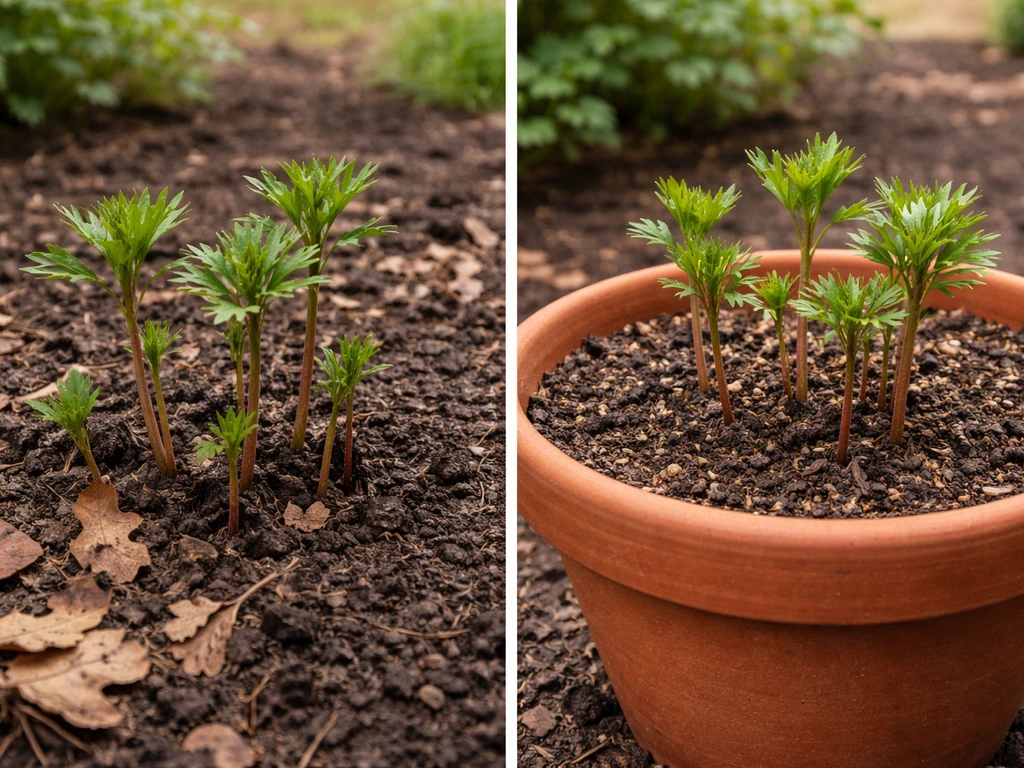
Growing monkshood in the ground is the easier and more reliable route. It's a deep-rooted perennial that naturalizes well and spreads slowly over years. In-ground plants handle moisture fluctuations better, establish faster, and generally bloom more vigorously. If you have the garden space and appropriate soil, ground planting is the way to go.
Containers can work, especially if you want to control placement (like keeping the plant away from children or pets by situating it in a specific area), but you'll need large pots: at least 12–16 inches deep to accommodate the root system. Container plants dry out faster and need more frequent watering. They also need repotting every 2–3 years as the crown expands. In very cold zones, containers may need to be moved to a sheltered spot or unheated garage over winter to prevent the roots from freezing solid in the pot.
| Factor | In-Ground Planting | Container Planting |
|---|---|---|
| Root depth | Unrestricted; plant establishes deeply | Needs pots at least 12–16 inches deep |
| Watering needs | Less frequent; soil buffer helps | More frequent; dries out faster |
| Winter hardiness | Better; ground insulates roots | Roots vulnerable; may need protection |
| Bloom performance | Generally stronger from year 2+ | Can be good with consistent feeding |
| Placement control | Fixed once planted | Moveable; useful for safety management |
| Maintenance | Lower once established | Higher; needs repotting every 2–3 years |
Spacing guidelines
Space monkshood plants 18 to 24 inches apart. They clump and spread slowly but do need room for airflow, which reduces disease risk. Crowded plants with poor air circulation are more vulnerable to the mold and rot issues discussed below. If you're planting in a border, position taller varieties at the back (some reach 4–5 feet) and shorter ones toward the front.
Troubleshooting common seedling and growth problems
Seeds not germinating
The most common reason is insufficient cold stratification. If you stratified for less than 10 weeks or didn't keep the temperature consistently cold (below 5°C), germination rates will be very low or zero. Re-stratify for another 4–6 weeks and try again. Old seeds also germinate poorly: use fresh seed ideally from the previous season's harvest or a reputable supplier.
Damping-off in seedlings
Damping-off is a fungal problem where seedlings collapse at the soil line shortly after sprouting. It's caused by overwatering and poor airflow. To prevent it: use a sterile seed-starting mix (not garden soil), water from the bottom rather than top, don't let trays sit in standing water, and keep a gentle fan running nearby for airflow. If you see seedlings collapsing, remove affected ones immediately and reduce watering.
Crown rot and white mold in established plants
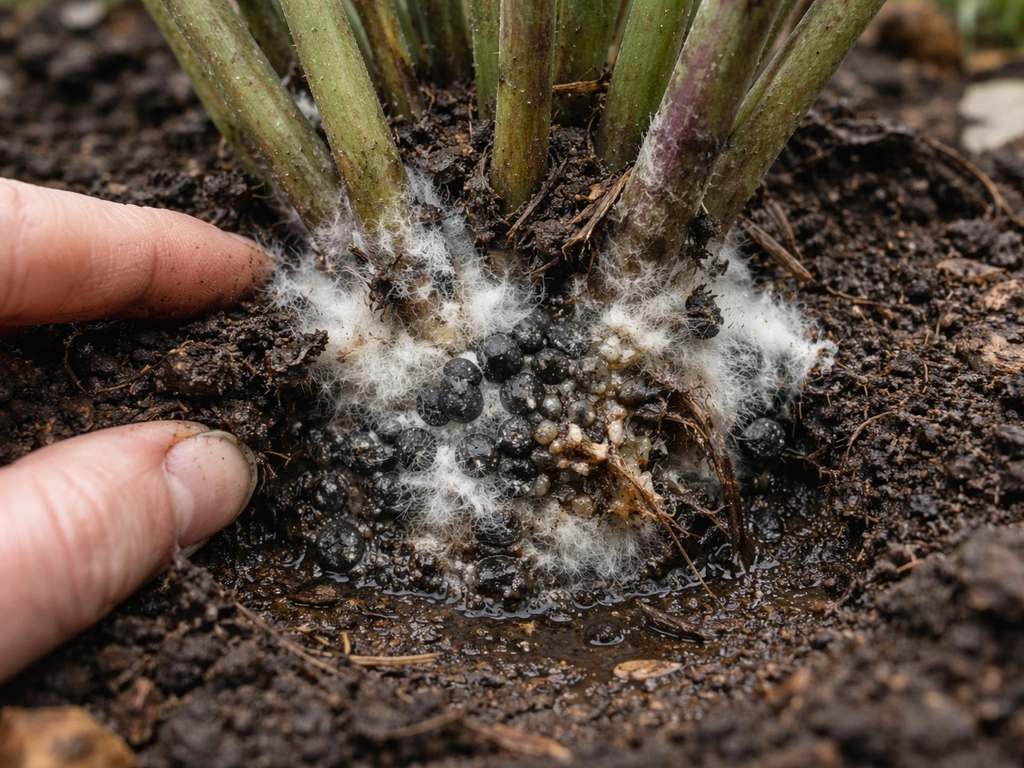
Monkshood is susceptible to Sclerotium delphinii, a fungal disease that causes wilting and death, with white mold and seed-like sclerotia visible at the base of the plant. This is more common in warm, wet conditions with poor drainage or overcrowded plantings. If you spot it, remove and destroy affected plants immediately (don't compost them). Improve drainage in that bed and increase spacing. Avoid overhead watering, which keeps the crown wet.
Yellowing leaves or poor growth
Yellowing leaves in summer usually point to heat stress, overwatering, or waterlogged roots. Check that drainage is working and that the plant isn't in a spot that gets flooded after rain. In mid-summer heat, a little yellowing of lower leaves is normal. Pale, stunted growth can indicate nutrient deficiency: work in some balanced slow-release fertilizer in early spring and water it in well. Don't over-fertilize though, as excess nitrogen pushes leafy growth at the expense of flowers.
No flowers after several years
Monkshood from seed usually doesn't bloom until year two or three. If your plant is in year three or beyond and still not flowering, suspect too much shade, too much nitrogen, or an overcrowded crown that needs dividing. Divide clumps in early spring every 3–4 years to keep plants vigorous.
Safety, toxicity, and handling monkshood responsibly
This is the section you need to take seriously. Monkshood (Aconitum napellus) is one of the most toxic plants in the temperate world. Every single part of it, including roots, leaves, seeds, and flowers, contains aconitine and related diterpene alkaloids. According to Poison Control, swallowing any part of this plant could be deadly. There is no antidote to aconitine poisoning. Treatment is purely supportive, meaning medical teams can only manage symptoms and hope for the best. Aconitine primarily affects cardiac function and the central nervous system, and in serious cases, death occurs from respiratory paralysis or cardiac arrest.
For humans, symptoms of exposure include numbness and tingling, nausea, vomiting, abdominal pain, irregular heart rate (both slow and fast), and sweating. For dogs and cats, the Pet Poison Helpline warns that ingestion leads to weakness, heart arrhythmias, tremors, paralysis, and seizures. All of this from a plant that looks beautiful in a border and is completely legal to grow.
Non-negotiable handling rules
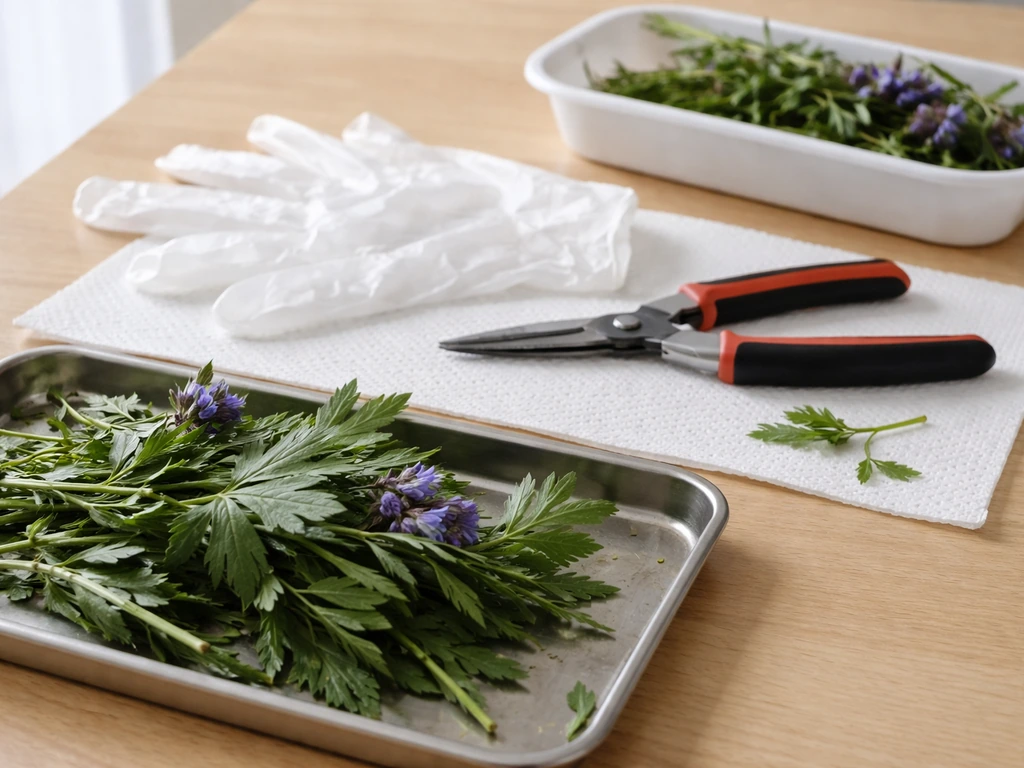
- Always wear gloves when handling any part of the plant, including seeds, seedlings, roots, and cut stems; aconitine can be absorbed through skin
- Wash hands thoroughly with soap and water after any contact, even if you wore gloves
- Never handle monkshood near your mouth, eyes, or broken skin
- Wear long sleeves when working around established plants to avoid skin contact with leaves and sap
- Don't cut stems in a closed room without ventilation; some people report irritation from proximity to cut stems
- Dispose of clippings and thinned seedlings carefully: bag them in sealed plastic before putting in trash, and never compost them
- Keep seeds, seedlings, and plants completely out of reach of children and pets
Garden placement and practical safety steps
Think carefully about where you plant monkshood if you have children or pets. A fenced border they can't access, or a container on an elevated surface, puts meaningful distance between curious hands and toxic plant material. Label the plant clearly if you share your garden with others who might not recognize it. If you're growing it in a space where visitors or children might wander, a small plant marker noting 'toxic, do not touch' is a simple and worthwhile step. If anyone in your household ingests any part of the plant, call Poison Control immediately and go to an emergency room: don't wait for symptoms to develop.
None of this means you shouldn't grow monkshood. It's a genuinely beautiful plant with a long history in traditional medicine and garden design. If you meant cordyceps, use the right substrate and sterile technique, because growing how to grow cordyceps at home is a different process than cultivating monkshood. It just means you grow it with your eyes open, gloves on, and the same mindset you'd bring to any high-stakes cultivation project: careful, informed, and prepared.
If you're comparing high-stakes cultivation projects, you can also look up how to grow chaga mushroom for another interesting and related outdoor-to-structured growing approach. If you want to try something different, you can also learn how to grow chanterelle mushrooms with the right woodland-style conditions. If you're also interested in fungi cultivation, you'll want to look at the specific conditions for how to grow ganoderma lucidum.
If you're wondering how to grow lingzhi mushroom instead, you’ll need very different conditions such as sterilized logs or a proper grow kit and controlled humidity careful, informed, and prepared.
FAQ
Can I soak monkshood seeds before stratifying, or will it ruin them?
Soaking is usually unnecessary and can backfire if the seeds sit warm or in stagnant water. If you want to hydrate them, do it briefly at cool room temperature, then drain well and move straight into moist cold stratification. Keep the medium damp, not waterlogged, and check for any mold.
How do I keep track of cold stratification when the temperature fluctuates in a fridge?
Use a thermometer in the container, not just the fridge setting. Aim for consistent moist cold around 4 to 5°C, avoid freezing, and stir or lightly remix the medium halfway through so the moisture level stays even. If your readings often creep above about 5°C, extend the stratification window rather than cutting it short.
What medium should I stratify seeds in, and how do I prevent mold?
Use a sterile, lightweight material like moistened seed-starting mix, vermiculite, or damp paper towels. Place seeds in a loosely sealed bag or covered container with airflow, and do not let the medium dry out completely. If you see fuzzy growth, discard affected material and start fresh, since seedlings later may fail even if seeds still look viable.
Why are my seeds sprouting unevenly, with some months later than others?
Uneven germination often comes from inconsistent temperature or uneven moisture, especially if seeds were too deep in some spots or the medium dried in parts of the tray. Treat it as normal for Aconitum to be slow and variable, but remove or resow only if nothing emerges after the full expected germination window plus extra cool time.
Do I need light during germination after stratification?
Light is helpful after the cold phase, but it is not the same as leaving seeds dry and exposed. Keep the tray under bright indirect light once you move out of cold, and maintain shallow sowing (about 1/8 inch). If you cover seeds with too much medium, they may not respond well even if light is correct.
Should I fertilize during germination or right after seedlings appear?
Avoid feeding during the germination stage. Once you see true leaves, use a diluted balanced liquid fertilizer about every two weeks, and stop if you notice dark green, overly fast growth or floppy stems. Overfertilizing can delay flowering later by promoting leaf growth at the expense of blooms.
How can I tell true leaves from seed leaves, and when should I thin?
Thin only after seedlings are established and you can reliably see true leaves beyond the initial cotyledons. If you thin too early, you can disturb the shallow-rooted seedlings and cause damping-off. If seedlings are overcrowded, remove extras gently at the soil line rather than pulling aggressively.
What’s the safest way to water monkshood seedlings without disturbing shallow seeds?
Bottom watering is the best approach. Set the tray in a shallow dish and let it wick up moisture until the top looks evenly damp, then drain thoroughly. Never leave trays sitting in water, and avoid misting that can keep the crown area wet.
Why are my seedlings collapsing even though I used seed-starting mix?
It can still happen if the mix stays too wet, airflow is poor, or the tray is too warm. Increase ventilation, ensure water drains freely, and keep the surface from staying soggy. Remove collapsed seedlings immediately, and consider spacing trays farther apart to improve airflow.
Can I plant monkshood in a raised bed, and does it help with disease?
Yes, raised beds can help because they improve drainage, especially if your native soil is heavy clay. Use the right soil blend for the bed, avoid overhead irrigation, and keep spacing at 18 to 24 inches to maintain airflow. This combination reduces the risk of rot and base fungal problems.
What should I do if my monkshood never flowers by year three?
First check heat and light, too much shade and heavy late-day heat can both reduce bloom. Next, consider nitrogen levels, excess fertilizer or rich compost can keep it leafy. Finally, look for crowding, if the crown has tightened up, divide in early spring to rejuvenate the plant.
Do container monkshood plants flower reliably, or is ground planting better?
Containers can flower, but they are less stable because they dry out faster and freezing risk is higher in small pots. Use at least 12 to 16 inches of depth, consistent watering, and a winter strategy like moving to a sheltered spot or unheated garage rather than keeping it exposed to freezing winds.
How should I overwinter monkshood in containers specifically?
Do not keep containers fully wet through winter, aim for slightly dry, protected conditions where the root ball is less exposed to temperature swings. In very cold winters, wrap the pot or place it in an insulated but breathable shelter, and remove any mulch that could trap moisture against the crown.
What if a pet or child touches or chews monkshood?
If any portion is ingested, call Poison Control or local emergency services immediately, do not wait for symptoms. Store gloves, tools, and plant trimmings away from access, and rinse hands thoroughly after handling. Even small amounts can be dangerous because there is no antidote, treatment is supportive.