
Growing sclerotia truffles at home means cultivating a fungus that produces dense, tuber-like underground storage organs called sclerotia, and the species most hobby growers are actually working with is Pleurotus tuber-regium, commonly called the king tuber mushroom. If you are specifically looking for how to grow tremella mushroom, you will want to follow a different approach focused on its wood-based substrate and cooler, higher-humidity conditions.
How to Grow Sclerotia Truffles Step by Step
Marcus Holloway
8 Jun 2026
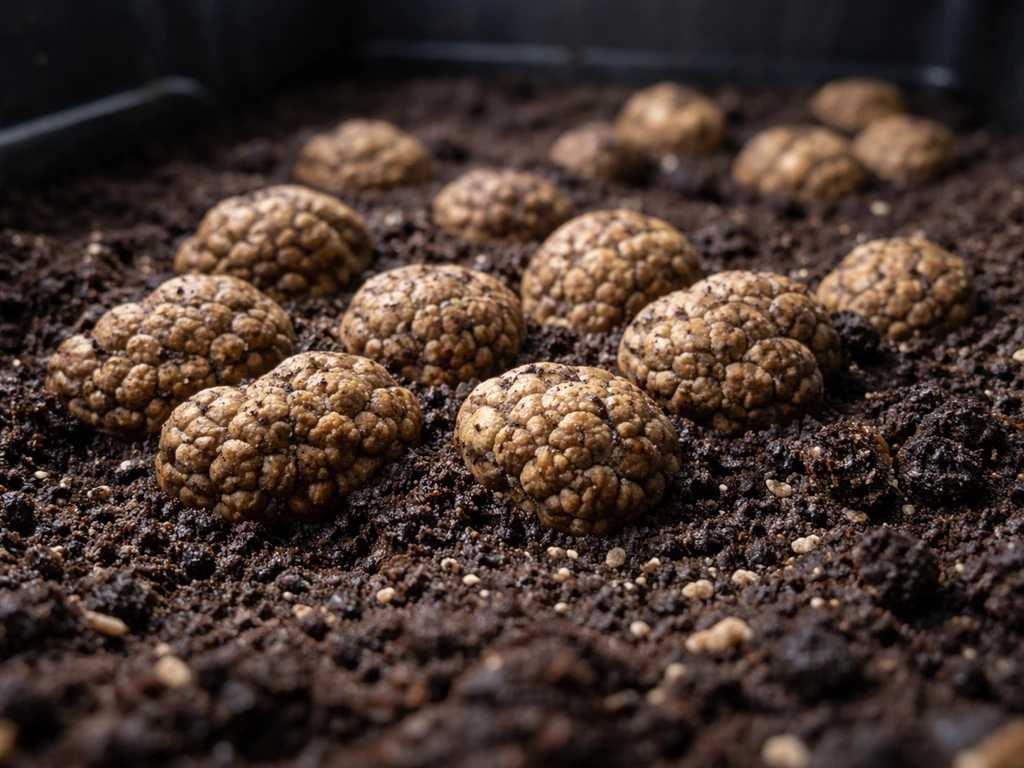
It is not an ectomycorrhizal truffle like black Périgord or white Alba truffles, and it is not the same as the psilocybin-containing "magic truffles" either. What you are growing is a tropical gilled fungus that buries a hard, starchy sclerotium underground, and that sclerotium is the harvestable prize.
Once you understand what you are actually producing, the whole cultivation process becomes much more logical and manageable at home. Published work also notes that other edible or medicinal fungi can form tuber-like sclerotia that are harvested for food or medicine, depending on the conditions used under artificial cultivation the whole cultivation process becomes much more logical and manageable at home.
If you want the step-by-step details specifically for home cultivation of edible sclerotia truffles, follow the full guide on how to grow truffles at home.
What sclerotia truffles actually are (and why the naming gets confusing)
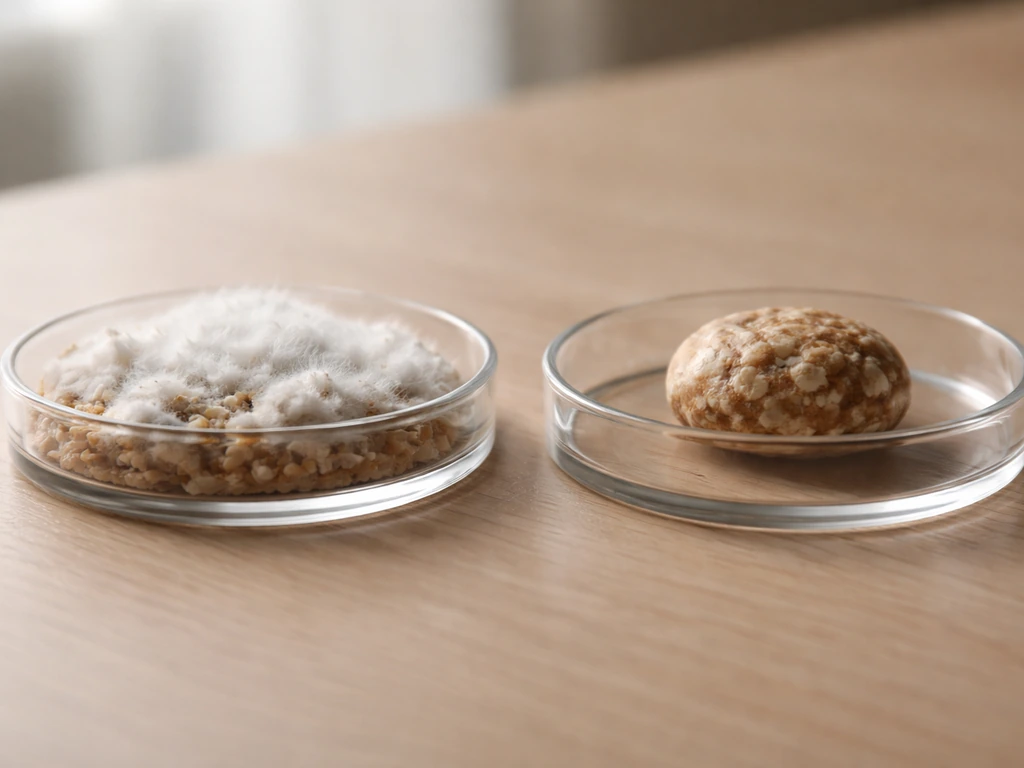
A sclerotium (plural: sclerotia) is a compact, hardened mass of fungal mycelium packed with nutrients. Think of it as a fungal survival bunker: when conditions are not right for fruiting, certain fungi consolidate their energy into one dense, dry, tough structure that can stay dormant for years and spring back to life when things improve. It is not a mushroom cap, not a spore, and not technically a truffle in the culinary sense.
The confusion in the hobby community comes from a few directions at once. First, people searching for "truffle cultivation" sometimes land on sclerotia content because the lumpy, underground appearance is similar. Second, "magic truffles" are genuinely sclerotia of psilocybin-producing fungi, so that search overlap muddies the waters further. Third, Pleurotus tuber-regium is called the king tuber or king oyster truffle in some markets, which adds another layer of naming chaos.
To be totally clear: this guide is about growing the edible, medicinal sclerotia of Pleurotus tuber-regium. If you want to grow culinary ectomycorrhizal truffles like black or white truffles, that is a separate multi-year outdoor orchard project. If you want to explore magic truffle cultivation, that covers psilocybin species like Psilocybe tampanensis or P.
If you are specifically trying to learn how to grow magic truffles, make sure you are using the right psilocybin species and understand the legal restrictions in your area explore magic truffle cultivation. mexicana and is addressed elsewhere.
Pleurotus tuber-regium is native to tropical West Africa and parts of Southeast Asia. It produces both a gilled fruiting body above ground and a large, tuber-like sclerotium underground. Both are edible and nutritious. The sclerotium is dense, starchy, and can be eaten whole, sliced, or dried and milled into a powder used as a thickener. Many growers target the sclerotium specifically because it is easier to store, ships well, and has a long shelf life compared to the mushroom cap.
Choosing your growing method and setup
You have two real options here: indoor container growing or outdoor bed/pit growing. Both work, but they suit different situations and come with different tradeoffs.
Indoor container growing
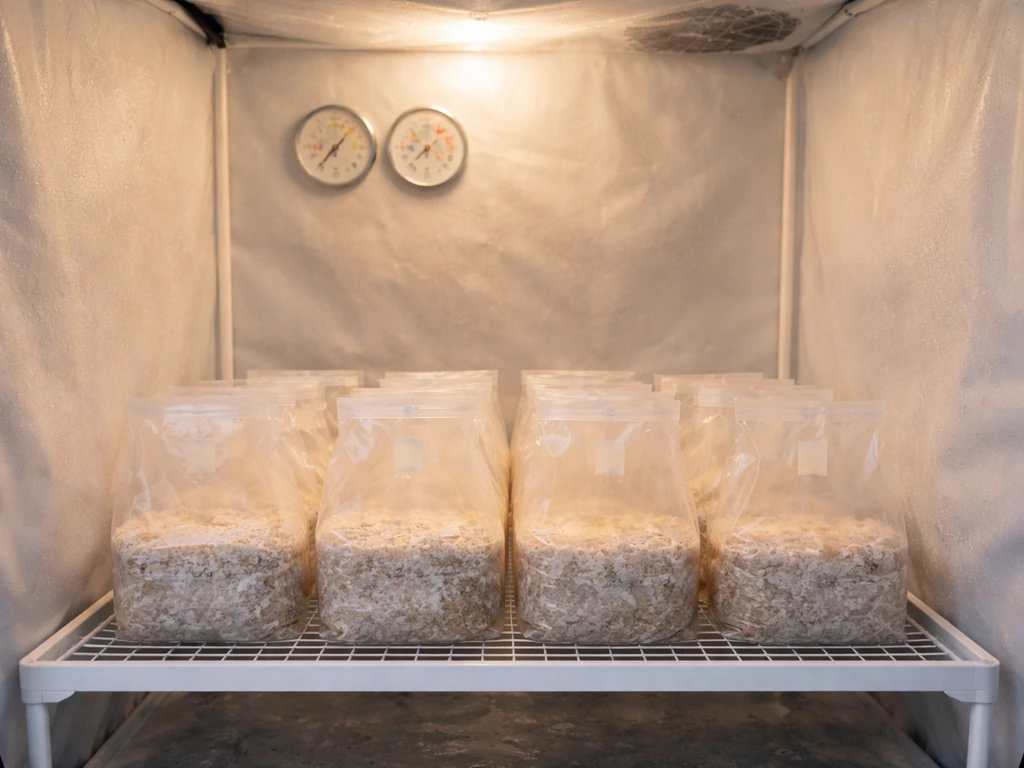
This is where most home growers start, and it gives you the most control over temperature and moisture, which are the two biggest variables in sclerotia formation. The basic setup involves inoculated substrate in a polypropylene grow bag or bucket, which is then buried or partially buried in nutrient-rich soil inside a larger container (a rounded plastic vase or bucket around 5 to 6 liters works well). You incubate the bag at room temperature with controlled humidity and wait. The sclerotium forms inside or around the bag as the mycelium colonizes and the buried environment triggers storage organ development.
Outdoor bed growing
Outdoor cultivation on organic substrate beds is a legitimate approach and has been evaluated in formal studies. It works best in warm climates where temperatures stay consistently above 20°C for most of the growing season. You prepare a substrate bed outdoors, inoculate it with spawn, cover it with soil, and let nature do most of the work. The downside is less control: temperature swings, rainfall fluctuation, and soil pest pressure are all harder to manage. If you are in a tropical or subtropical climate, outdoor growing can be very productive with minimal equipment. If you are in a temperate climate, indoor growing is more reliable.
| Factor | Indoor Containers | Outdoor Beds |
|---|---|---|
| Temperature control | High (you manage it) | Low (weather-dependent) |
| Humidity control | High | Moderate |
| Contamination risk | Lower with good sterile technique | Higher |
| Setup cost | Low to moderate | Low |
| Best climate | Any | Tropical/subtropical |
| Yield predictability | More consistent | Variable |
| Scalability | Limited by space/containers | Easier to scale up |
For most beginners reading this today, start indoors with containers. Once you have one successful grow under your belt and understand how your strain behaves, scaling up outdoors becomes a much more confident next step.
Substrate preparation and inoculation
What substrate to use
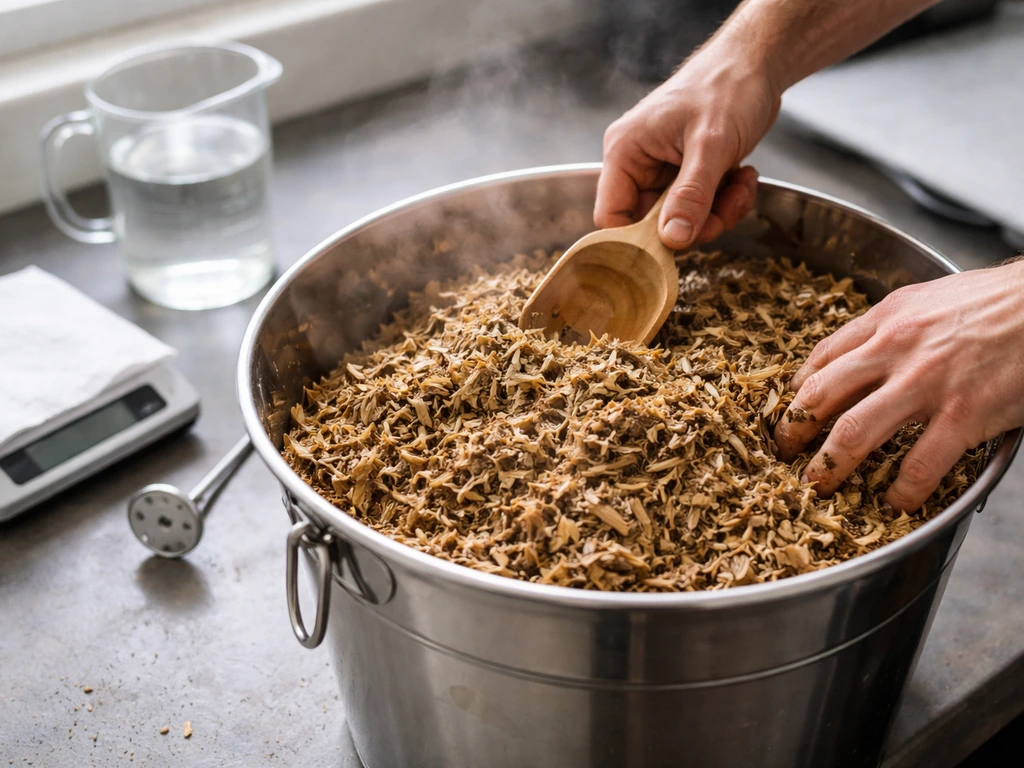
Pleurotus tuber-regium is a lignicolous fungus, meaning it breaks down woody and plant-based material. The most widely used and well-studied substrate for sclerotia production uses cottonseed hulls as the primary component, sometimes combined with sawdust and rice bran. One recipe that has performed well in published studies combines approximately 50% hardwood sawdust, 30% cottonseed hulls (smashed or ground), and 20% rice bran, mixed with water at roughly a 1:1.1 volume ratio. Another approach uses cottonseed hulls alone without added nutrients, where the reported optimum substrate water content is around 65% (measured as weight/weight). Cottonseed hulls are available at farm supply stores and are inexpensive.
For the nutrient soil layer that surrounds the culture bag during sclerotia induction, a mix of fertile garden soil, compost, and a small amount of agricultural lime works well. The lime adjusts pH slightly alkaline, which helps suppress competitor molds. Adding about 2% lime by weight to your soil layer is a reasonable starting point.
Sterilizing or pasteurizing your substrate
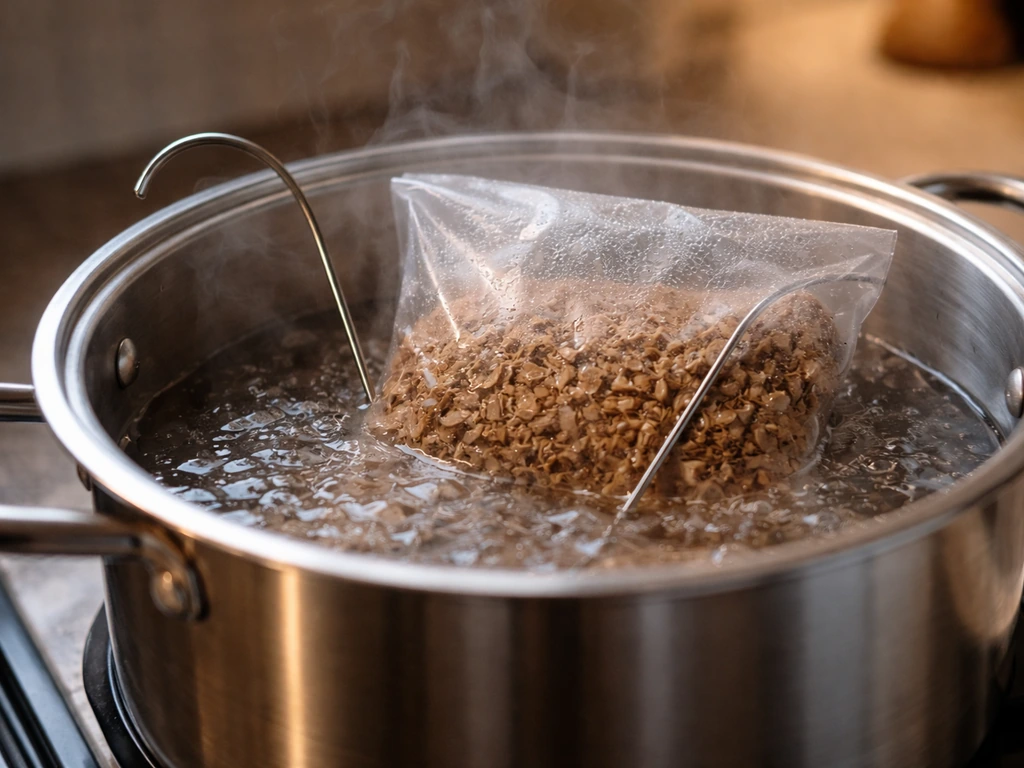
Because you want to give your mycelium a clean start, heat-treating the substrate before inoculation is important. For home growers, pasteurization is the most practical approach: heat your substrate to around 72 to 80°C for several hours (a simple steam pasteurization setup using a large pot and a steamer basket works fine). If you have a pressure cooker, autoclaving at 121°C for 90 minutes gives you a sterile substrate and reduces contamination risk significantly. Let everything cool to room temperature before inoculating, and work as cleanly as possible. Some growers also add a small amount of lime to the substrate mix itself (around 1 to 2%) as an additional microbial suppressant, and this is backed up in practical cultivation literature.
Inoculation: what to use as your starting material
You have a few options for inoculum. Grain spawn (rye, wheat, or millet colonized with P. tuber-regium mycelium) is the most practical for most hobby growers and gives you even distribution through the substrate. Stalk or stick spawn works as well and is how traditional cultivators in parts of Africa have long propagated this species.
Liquid culture is another option if you have a syringe inoculant available from a specialty supplier. If you already have a mature sclerotium, you can also use small pieces of it directly as inoculant, essentially using it the way you would use a tissue culture sample. Whichever format you use, inoculate at roughly 10 to 20% by weight relative to your dry substrate volume, mix thoroughly inside the bag, and seal.
Packing and burying the bags
Pack your inoculated substrate into polypropylene bags, leaving some headspace, and seal them with a filter patch or polyfill plug for gas exchange. Then take your sealed culture bags and bury them in your prepared nutrient soil inside a plastic vase or bucket. The bag-in-soil setup is key: it mimics the underground environment that triggers sclerotia formation. Make sure the soil layer around the bag is moist but not waterlogged, and that the whole container has drainage so water does not pool.
Getting the environment right
Temperature is the single most important variable in P. tuber-regium cultivation, and I cannot stress this enough. This is a tropical species that really does not like the cold. During the colonization phase, aim to keep your grow space between 25 and 30°C. During sclerotia formation and development, temperatures in the 26 to 35°C range have been reported to support growth, with an optimum around 28 to 30°C for most strains. For sclerotia production specifically (rather than fruiting body production), one study found 20°C with 65% substrate moisture content as an optimum on cottonseed hulls, so cooler temperatures during the final development phase may actually favor denser sclerotia over above-ground fruiting.
Humidity in the growing environment should stay above 85% relative humidity during colonization and fruiting. When you are trying to trigger pinning and fruiting body formation (if that is your goal rather than just harvesting the sclerotium), drop CO2 levels below around 600 ppm by increasing fresh air exchange, bring light up to around 2,000 lux, and push humidity to 95%. A simple warm mist humidifier in a grow tent with a timer handles this for most home setups without any fancy equipment.
Light matters for fruiting body development but is not essential if you are only harvesting sclerotia. During colonization, darkness is fine. A dark but well-ventilated cabinet at around 27°C is a solid colonization environment. Once sclerotia are developing underground, indirect natural light or a basic grow light on a 12-hour cycle is sufficient.
Airflow deserves attention. Pleurotus species generally need fresh air exchange to develop properly and to avoid anaerobic zones that favor contaminants. Make sure your culture bags have functioning filter patches, and once bags are buried in containers, do not seal the containers completely. A loose cover that allows air movement is fine.
The cultivation timeline: what happens when
Understanding the timeline upfront saves a lot of anxiety. This is not a fast crop. Here is what to realistically expect from inoculation to harvest:
- Days 1 to 5: Inoculation and establishment. After inoculating and packing your bags, place them in your warm, dark incubation space. You may not see anything visible yet. Keep temperatures at 25 to 30°C and do not disturb the bags.
- Days 5 to 20: Colonization. White mycelium starts visibly spreading through the substrate. Full colonization is typically observable by around day 20 at proper temperatures. The mycelium should look white and healthy, not grey, green, or black.
- Days 20 to 30: Transfer and burial. Once the bags are fully colonized, they get buried in your prepared nutrient soil inside a container. This is the trigger for sclerotia formation. Maintain temperature and humidity carefully at this stage.
- Days 30 to 65: Sclerotia development. This is the patient phase. The sclerotia form underground, hardening and enlarging over weeks. A broad timeline to work with is 50 to 65 days total from inoculation to when hard, mature sclerotia are ready to pick. Some grows move faster at higher temperatures.
- Days 65 onwards: Harvest and optional re-fruiting. Once you harvest the sclerotia, they can be used directly, stored, or placed under warm humid conditions to produce fruiting bodies, which mature in roughly 7 days under ideal conditions.
One thing worth knowing: during artificial cultivation, sclerotium formation is sometimes accompanied by the appearance of small water droplets on or near the developing structures. If you notice condensation building up around your developing sclerotia, that can be a positive sign that development is progressing, not a cause for concern.
Harvesting sclerotia and handling them right
Knowing when to harvest
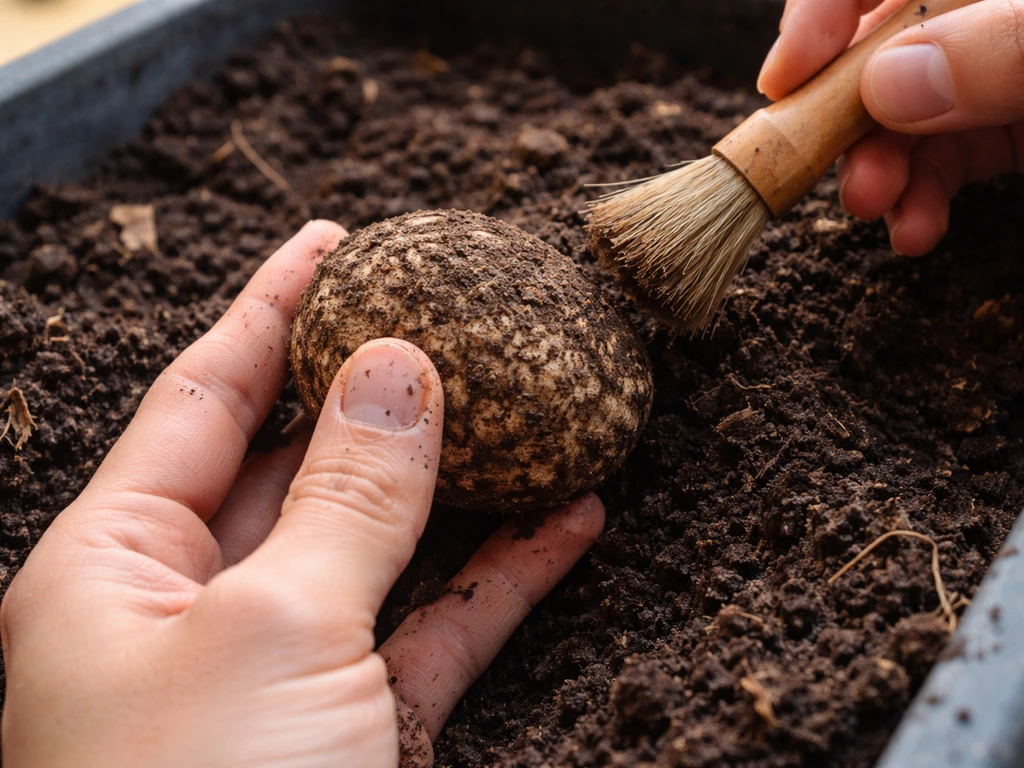
Harvest timing comes down to hardness and size. A mature sclerotium is dense, firm, and hard when you press on it, like a dense wooden knob. Soft or spongy sclerotia are not yet ready or may have developed under suboptimal conditions. Size will vary by strain and substrate quality, but a well-fed sclerotium in a good substrate can reach the size of a small fist or larger in good conditions. The outer surface should be dark brown and somewhat rough or corky in texture.
To harvest, carefully unearth the sclerotium from the soil, brush off loose substrate, and inspect it. Check for any soft spots, unusual discoloration, or mold. Healthy sclerotia should smell clean and earthy. Any soft, discolored, or foul-smelling sections are a sign of contamination or bacterial rot and those areas should be cut away before use or storage.
Storage and handling
For short-term storage, keep harvested sclerotia in a cool, dark, dry place. Refrigeration extends viability significantly. For longer storage, you can dry the sclerotia thoroughly (slice them and dry at low heat, around 40 to 50°C, until completely desiccated) and then store in airtight containers. Dried sclerotia can be milled into a fine powder and used as a flour supplement or thickener in cooking. If you want to trigger fruiting rather than eat the sclerotium directly, place it in a warm, humid environment (around 28 to 30°C, humidity above 90%) and expect pins to appear within about a week.
Troubleshooting the most common failures
Contamination in the culture bag
Green, black, or grey patches in your substrate bags almost always mean Trichoderma, Aspergillus, or bacterial contamination. This usually comes from one of three sources: substrate that was not properly pasteurized or sterilized, inoculation done without clean technique, or a compromised filter patch letting in contaminants. Bags that show contamination in the first two weeks should be removed from your grow space immediately and disposed of away from your growing area to prevent spore spread. Do not try to salvage heavily contaminated bags. Prevention is much more effective than intervention here: use a clean work surface, wipe it down with isopropyl alcohol, work quickly when inoculating, and make sure your substrate was thoroughly heat-treated before use.
Stalled or no colonization
If your mycelium is barely growing or stops after partial colonization, the first thing to check is temperature. P. tuber-regium mycelium stalls significantly below 22°C and really struggles below 18°C. Move your bags somewhere warmer. Also check substrate moisture: if the substrate is too dry (below about 60% moisture), mycelial growth slows or stops. Squeeze a handful of substrate through the bag; it should feel moist but not drip freely. A few drops of water when firmly squeezed is about right. If the substrate is too wet, anaerobic conditions develop and bacterial contamination follows quickly.
Fully colonized bags but no sclerotia forming
This is probably the most frustrating scenario. You have nice white mycelium, everything looks healthy, but no sclerotia appear after weeks of waiting. The most common cause is that the burying step was skipped or done incorrectly. The burial in nutrient soil is what triggers the sclerotia formation response: it simulates the underground conditions the fungus needs to consolidate into a storage organ. Make sure the culture bag is fully buried in moist, fertile soil with good contact between the bag and the surrounding medium. Also check temperature: if you have been running too cool (below 25°C), warming the environment up a few degrees often kick-starts development.
Soft or underdeveloped sclerotia
Sclerotia that form but stay soft or small are usually the result of insufficient nutrients in the substrate, too much moisture in the surrounding soil (waterlogging), or harvesting too early. Check that your substrate included a nitrogen-rich amendment like rice bran or cottonseed meal. Make sure the soil layer drains well and is not sitting in standing water. And if you are harvesting based on calendar days rather than firmness, wait until you feel genuine resistance when pressing the sclerotium before pulling it out.
Pests and critters
Fungus gnats, mites, and springtails are the usual suspects in indoor grows. They thrive in moist soil environments, which is exactly what you are creating. Keep your grow space clean, do not let water pool around containers, and use yellow sticky traps near your grow area to catch adults before populations build. A layer of dry perlite or diatomaceous earth on top of the soil surface in your containers creates a hostile barrier for crawling pests without harming the developing sclerotia underneath. Outdoor grows face a wider range of soil pests and rodents, so burying culture bags deeper (at least 10 to 15 cm) and covering the bed with a wire mesh or perforated cover adds meaningful protection.
Too many fruiting bodies, not enough sclerotia
If your fungus is constantly throwing up mushroom caps but not building significant sclerotia, it usually means conditions are slightly too favorable for above-ground fruiting. Try lowering the temperature toward the 20 to 25°C range (instead of the higher end), and make sure the bags are deeply enough buried so the underground environment is genuinely dark and enclosed. Reducing light and increasing CO2 slightly (less fresh air exchange) during the sclerotia development phase can also shift the fungus toward storing energy underground rather than sending it upward.
Growing sclerotia truffles is genuinely rewarding once you get past the first learning curve, and the biggest thing most growers get wrong initially is the species identification confusion (trying to grow the wrong thing), followed closely by temperature management. A reliable way to start is by following a dedicated how to grow black truffle guide that keeps species, temperature, and burial steps aligned.
Nail those two, get your burial setup right, and you will have hard, dense, earthy sclerotia ready to harvest within two to three months of inoculation. If you want the step-by-step process, the rest of this guide covers how to grow truffles from substrate choice through burying, environment control, and harvest. That is a realistic outcome for a first indoor grow, and it only gets faster and more reliable from there.
FAQ
Is what I’m growing actually a culinary truffle like black or white truffles?
No. Pleurotus tuber-regium sclerotia are edible and nutritious, but they are not the same as ectomycorrhizal truffles (black/white) or psilocybin “magic truffles.” If your goal is culinary sclerotia, use the correct Pleurotus species and focus on bag-in-soil burial to trigger storage organ formation.
Can I grow Pleurotus tuber-regium in the same indoor setup I use for oyster mushrooms?
You can, but it is usually less reliable. Waterlogging reduces oxygen around the buried bag, which pushes the system toward bacterial rot and soft, poor-quality sclerotia. Use a container with real drainage, and aim for moist soil that holds shape when squeezed without dripping.
What temperature should I aim for if I only have a household room that varies day to night?
Warmth is the main lever, but in a narrow way. During colonization keep about 25 to 30°C, then for sclerotia development stay roughly 26 to 35°C (some strains respond best around 28 to 30°C). If you cannot hit those ranges, expect slower or smaller sclerotia rather than a “set and forget” result.
How do I judge the right moisture level for the surrounding soil layer?
Use “moist, not wet” as your standard. If you squeeze a handful of the surrounding soil and you get a constant stream, it is too wet. If it crumbles and feels dry, it is too dry. The sweet spot feels moist with only a few drops.
How ventilated should the outer container be once the culture bag is buried?
A filter patch or polyfill plug is for gas exchange, but the bag should not be sitting in stagnant liquid. Keep the container loosely covered for airflow, and avoid fully sealing the outer container, especially during sclerotia development when anaerobic pockets can develop.
Do I need grow lights to make big, dense sclerotia?
If you want maximum sclerotia, light is secondary. Keep colonization dark, then if you are only harvesting sclerotia, you do not need high-intensity lighting schedules. Save the extra misting, CO2 control, and higher humidity targets mainly for cases where you also want fruiting body pins.
Can I reuse sclerotia from a previous batch as the inoculation source?
Yes, but verify freshness and cleanliness. Using a piece of a mature sclerotium as inoculum can work, but contamination risk is higher if the piece has soft spots, mold, or foul odors. Only use healthy, firm sections and keep handling quick and sanitary.
What should I troubleshoot first if my bags look colonized but no sclerotia form?
If growth stalls after partial colonization, temperature and moisture are the first two checks. Below about 22°C mycelium slows significantly, and below about 60% moisture growth tends to fail. Also re-check that your bag was actually buried with good contact to the nutrient soil, because missing or poor burial is a common reason sclerotia never start.
How can I tell if my sclerotia are small because of nutrients versus moisture problems?
Soft, spongy, or small sclerotia usually point to one of three issues: insufficient nutrients in the substrate, waterlogged surroundings, or harvesting too early. Press firmness is a better trigger than calendar days, and ensure your substrate includes a nitrogen source like rice bran.
Are water droplets on developing sclerotia a positive sign or a contamination risk?
Condensation droplets can be a sign development is progressing, but you should prevent persistent wet films and pooling water. If droplets keep accumulating and your surrounding soil stays very wet, you can still get bacterial problems even though early development looks active.
What should I do if I see Trichoderma or bacterial contamination early in the process?
Yes. Remove and discard contaminated bags early, especially if green, black, or grey patches appear in the first two weeks. Do not try to “rescue” heavily infected bags, because spores and bacterial buildup can spread to nearby cultures.
What is the safest way to store sclerotia so they do not spoil before use?
For fresh storage, keep sclerotia cool, dark, and dry. For long-term storage, dry them thoroughly after slicing at low heat (around 40 to 50°C) until completely desiccated, then store airtight. Moist storage is a major cause of later mold.
How do I decide exactly when to harvest, and what’s considered “too soft”?
If you press into a sclerotium and it feels firm like a dense knob, it is typically ready. Soft spots, unusual discoloration, or a foul smell suggest contamination or rot, in which case you should cut away affected parts before any storage or cooking.
How do I prevent fungus gnats and mites without damaging the grow?
Indoor pest control is mostly about interrupting life cycles around the moist soil. Keep containers from pooling water, use sticky traps for adult gnats near the area, and add a dry barrier layer like perlite or diatomaceous earth on top of the soil surface.
Can I move an indoor setup outdoors later in the season?
Outdoor planting can work well in warm climates, but temperate regions usually struggle because temperatures dip below what the fungus needs. If you try outdoors, bury deeper and protect from weather swings and soil pests, since you lose the tight temperature control that indoor setups provide.
Why do I keep getting mushroom caps instead of sclerotia, and how do I shift the fungus underground?
If you keep getting mushroom caps instead of sclerotia, conditions are likely shifting toward above-ground fruiting. Lower temperatures toward about 20 to 25°C and reduce the cues for pinning, like very fresh air exchange and high light, while also ensuring deep, dark burial contact.