Growing truffles is genuinely possible, but it takes years of patience, the right site, and a realistic understanding of what you're actually working with. Unlike growing oyster mushrooms on a bag of straw, truffle cultivation is closer to planting an orchard than setting up a fruiting chamber. You're not just growing a fungus, you're cultivating a long-term partnership between a fungus and a tree. Here's everything you need to know to do it properly.
How to Grow Truffles: Step-by-Step Guide for Beginners
Marcus Holloway
17 Apr 2026
How truffles actually grow (it's all about the roots)
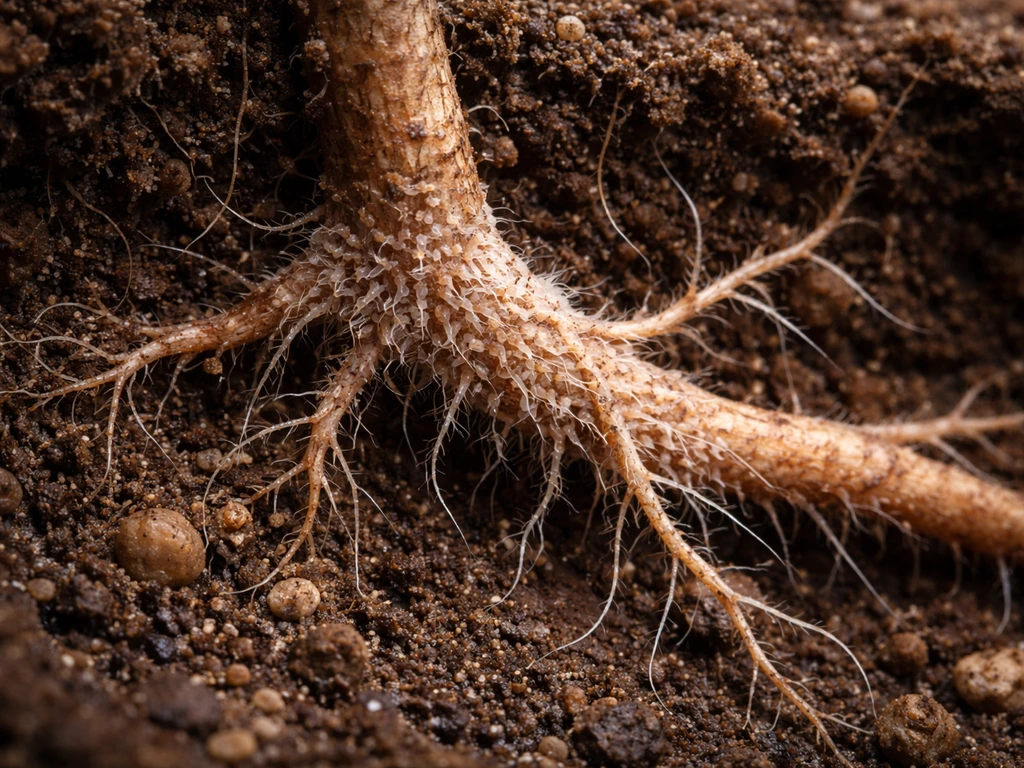
Truffles are the underground fruiting bodies of ectomycorrhizal (ECM) fungi. That word 'ectomycorrhizal' is the key to understanding why truffle cultivation is so different from growing regular edible mushrooms. Instead of decomposing dead wood or straw, truffle fungi form a living partnership with the roots of host trees, primarily oaks (Quercus spp.) and hazel (Corylus avellana). The fungus wraps around the fine root tips forming what's called a 'mantle,' then threads hyphae between root cells in a structure called the Hartig net. Through this interface, the tree feeds the fungus carbohydrates from photosynthesis, and the fungus feeds the tree water and minerals from the surrounding soil.
The truffle fruiting body (what you dig up and eat) only forms once this mycorrhizal network is well-established and the right environmental triggers line up. Soil gas diffusion, seasonal temperature swings, moisture levels, and oxygen-to-CO2 ratios in the soil all influence when and whether truffles form. This is why you can have perfectly healthy mycorrhizal trees and still wait a decade before seeing a single truffle. The biology isn't optional, you can't shortcut it with extra nutrients or grow lights. Understanding this upfront will save you a lot of frustration.
Choosing your truffle type and setting honest expectations
The variety you choose will define your timeline, your climate requirements, and your odds of success. There are three main species that home and small-scale growers realistically attempt:
| Species | Common Name | Climate | Time to First Harvest | Difficulty |
|---|---|---|---|---|
| Tuber melanosporum | Périgord / Black Truffle | Mediterranean, warm temperate | 7–10 years | High |
| Tuber aestivum | Burgundy / Summer Truffle | Temperate Europe, cooler climates | 5–8 years | Medium |
| Tuber borchii | Bianchetto / Spring Truffle | Temperate, lighter soils | 4–7 years | Medium |
| Tuber magnatum | White Truffle (Italian) | Very specific microclimate | 10–15+ years | Very High |
The blank" rel="noopener noreferrer">Périgord black truffle (Tuber melanosporum) is the most commercially cultivated and has the most reliable inoculated seedling supply. Most truffle farms worldwide are built around it. If you're in a warm temperate or Mediterranean-type climate, this is your best starting point. If you're in a cooler northern climate, Tuber aestivum is more forgiving and underrated for backyard setups. Tuber magnatum, the famous Italian white truffle, is extraordinarily difficult, requires very specific riparian microhabitats, and is largely not recommended for beginners. For a detailed breakdown of that species, the guide on how to grow white truffle covers its unique requirements in full.
One important clarification: 'magic truffles' (Psilocybe tampanensis sclerotia) are not true truffles at all. They're psychoactive sclerotia from a completely different genus and are cultivated using entirely different methods. If that's what you're after, the process described in this article won't apply. Similarly, 'sclerotia truffles' from species like Pleurotus tuber-regium are a separate category. Check out the article on how to grow magic truffles or the guide on how to grow sclerotia truffles if those are what you're looking for.
Site setup and soil requirements
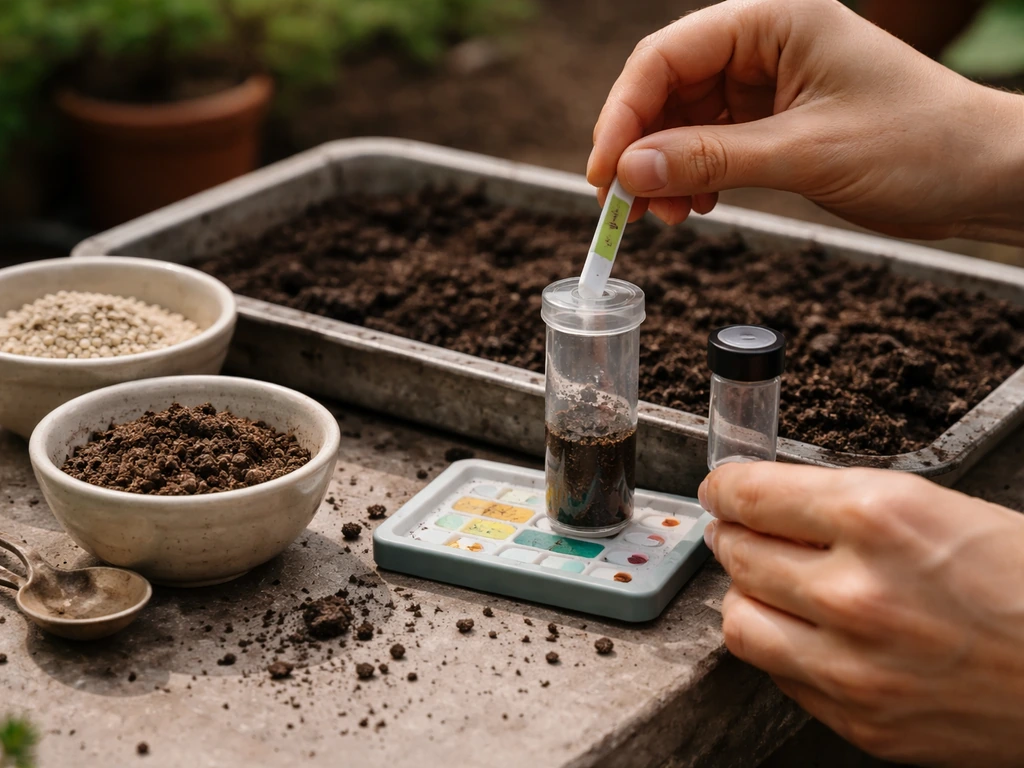
Soil is everything in truffle cultivation. Tuber melanosporum in particular is extremely sensitive to soil chemistry, and getting this wrong is the single biggest reason home grows fail before they even get started. Here's what you're targeting:
- pH between 7.5 and 8.3 (slightly alkaline is ideal for black truffles; summer truffles tolerate a slightly wider range)
- High calcium content, typically achieved through limestone parent rock or lime amendment
- Well-draining, porous soil structure (truffles need good oxygen diffusion through the soil profile)
- Low organic matter (counterintuitively, very rich, humus-heavy soils tend to suppress truffle formation by competing with the mycorrhizal network)
- Minimal competing fungi, which means avoiding sites with deep leaf litter, heavy mulch, or a history of mushroom-producing wood debris
Get your soil tested before you plant anything. A basic agricultural soil test will give you pH, calcium, phosphorus, and organic matter levels. If your pH is below 7.5, you'll need to amend with agricultural lime (calcium carbonate) and retest after 3 to 6 months. It's better to correct your soil a full growing season before planting. If your soil drains poorly, consider raised bed preparation or deep tillage to break up compaction. Truffles have been found in soils with as little as 1% organic matter. That's very lean, and it surprises most people who assume fertile soil is always better.
For site selection, choose a location with full sun to light partial shade, good air circulation, and protection from waterlogging. South-facing gentle slopes work well in the Northern Hemisphere. Avoid frost pockets, dense shade, and areas where competing tree roots from non-host species will dominate. A minimum site of around 100 to 200 square meters gives you enough room to plant several trees at a 4 to 5 meter spacing, which is the recommended density for small orchard setups.
Inoculated seedlings vs. spawn vs. spores: what actually works
This is where a lot of beginners get confused, especially when searching for terms like 'growing truffles from spores' or 'truffle mushroom spawn.' Let me break down your real options:
Inoculated seedlings (the recommended path)
The most reliable starting point for any serious truffle grow is purchasing certified inoculated seedlings from a reputable nursery. These are young host trees (hazel, holm oak, English oak, etc.) whose roots have been colonized with the target truffle species under nursery conditions. When you plant one of these seedlings, you're transplanting an already-established mycorrhizal partnership into your prepared site. The mycorrhizal colonization should be verified at the nursery level through root inspection or PCR testing. Quality matters enormously here: cheap, unverified inoculated seedlings are unfortunately common, and many are either poorly colonized or contaminated with other fungi.
Truffle spawn (mycelium on substrate)
Truffle spawn exists and is sold by some suppliers, but it's far less effective than inoculated seedlings for establishing a truffle orchard. Unlike oyster or shiitake spawn that colonizes dead substrate, truffle mycelium needs living root tissue to form a proper mycorrhizal association. Spawn applied to soil around non-inoculated trees has a very low success rate. It can work as a supplemental inoculation around already-established inoculated trees to boost colonization, but it's not a substitute for properly inoculated planting stock. If you're interested in the indoor side of fungal cultivation with proper spawn techniques, something like growing tremella mushroom will give you a much better sense of how spawn-based methods work for fungi that actually colonize dead substrates.
What 'growing truffles from spores' actually means
Technically, truffle spores can germinate, but in practice, germinating truffle spores and getting them to successfully colonize a host root is an extremely difficult process that requires laboratory conditions and is not something a home grower can reliably replicate. Truffle spores are not like mushroom spores, you can't create a spore syringe, inject it into a bag of grain, and wait for colonization. The spore must encounter a compatible host root at the right stage, under specific soil conditions, and successfully form an ectomycorrhizal association. The odds of this working in a home setup without controlled inoculation techniques are very low. If someone is selling you 'truffle spore kits' promising fruiting in a few months, treat that with serious skepticism.
Step-by-step: planting your inoculated seedlings
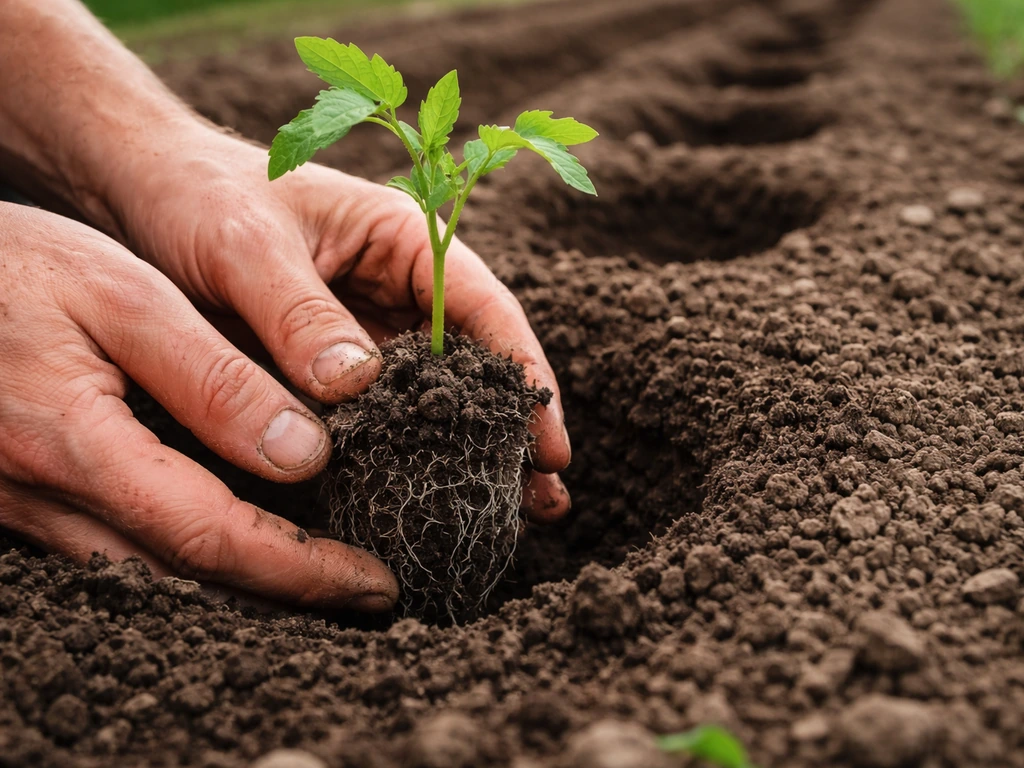
- Test and amend your soil at least one growing season before planting. Target pH 7.5 to 8.3. Apply agricultural lime if needed and retest after 3 to 6 months.
- Choose and source certified inoculated seedlings from a reputable supplier. Ask for documentation of the inoculation species and colonization rate. Hazel (Corylus avellana) and English oak (Quercus robur) are the most widely available.
- Prepare your planting holes at least 50 cm deep and 60 cm wide. Backfill with local soil, do not add compost or rich organic matter. If your soil is heavy clay, mix in coarse gravel or crushed limestone for drainage.
- Plant seedlings at the same depth they were in their nursery pots. Avoid disturbing the root ball. Firm the soil gently around the base.
- Water in well at planting, then apply a surface application of crushed limestone or lime gravel around the base (known as a 'truffle burn' zone preparation). This suppresses competing grass and vegetation.
- Space trees 4 to 5 meters apart in rows spaced 5 meters apart. This allows sunlight penetration and air movement as trees mature.
- Install a simple irrigation system if your climate gets dry summers. Truffles need consistent but not waterlogged moisture, especially during the fruiting initiation period in summer and autumn.
- Mark each tree with the inoculation species and planting date. You'll want clear records when monitoring begins years later.
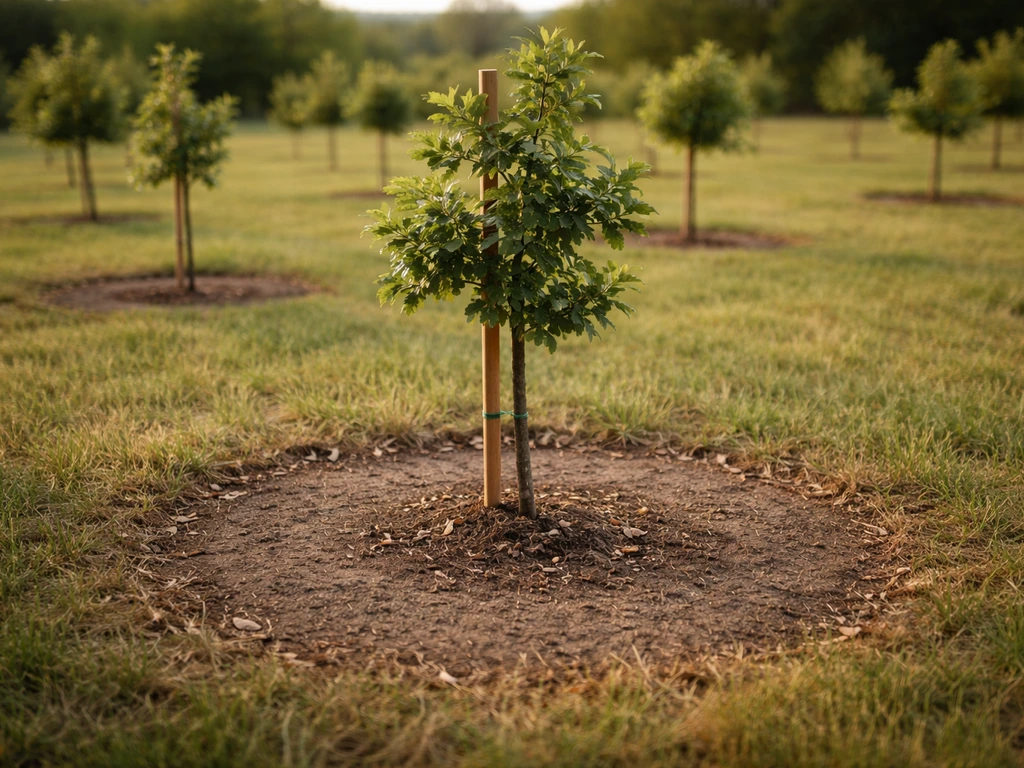
One thing worth mentioning: the area immediately around the tree base where truffle fungi are active often develops a characteristic bare patch called a 'brûlé' (French for 'burned'). This is caused by the truffle mycelium suppressing competing vegetation. Seeing a brûlé forming around your trees after 3 to 5 years is one of the best early signs that your inoculation is thriving. Don't be alarmed by it, celebrate it.
Caring for your truffle site over the long haul
Truffle cultivation is a long-term maintenance game. Most growers who fail do so not at planting, but in years 2 through 6 when nothing visible is happening and it's tempting to either neglect the site or over-manage it. Here's what ongoing care looks like:
Soil management
Recheck soil pH annually for the first few years, and every 2 to 3 years thereafter. Lime applications may be needed every few years to maintain the alkaline environment, especially in regions with acidic rainfall. Keep organic matter low: resist the urge to mulch heavily around trees. Light surface lime gravel mulch is fine and even beneficial. Mow or hand-weed the brûlé zone but avoid deep cultivation, which can damage fungal mycelium and fine feeder roots.
Irrigation
Consistent summer irrigation is critical for Tuber melanosporum. Truffle fruiting bodies begin forming underground in summer and ripen through autumn and winter. Drought stress during this initiation window can prevent fruiting entirely, even in otherwise healthy mycorrhizal trees. A drip irrigation system delivering roughly 20 to 30 liters per tree per week during dry summer months is a common approach on established plantations. Back off watering in autumn to allow natural seasonal dry-down, which is one of the fruiting triggers.
Tree pruning and canopy management
As trees grow, maintain an open canopy structure to allow sunlight to reach the soil surface in the brûlé zone. Dense shade suppresses truffle fruiting. Annual light pruning from year 3 onward helps. Don't let the trees grow so tall and dense that the understory becomes dark. Think of it as managing a light orchard, not a forest.
Monitoring for mycorrhizal activity
From around year 3 to 5, periodically examine fine root tips from your trees (gently expose some surface roots from the brûlé zone) to look for the characteristic short, forked, dark-coated ectomycorrhizal root tips. Healthy truffle colonization produces distinctive mantle-covered rootlets. If roots look clean, white, and uncoated, colonization may have been lost to competing fungi. Some specialist labs offer PCR-based soil testing to confirm truffle mycelium presence, which is worth doing around year 5 if you're uncertain.
Harvesting, storage, and what to do when things go wrong
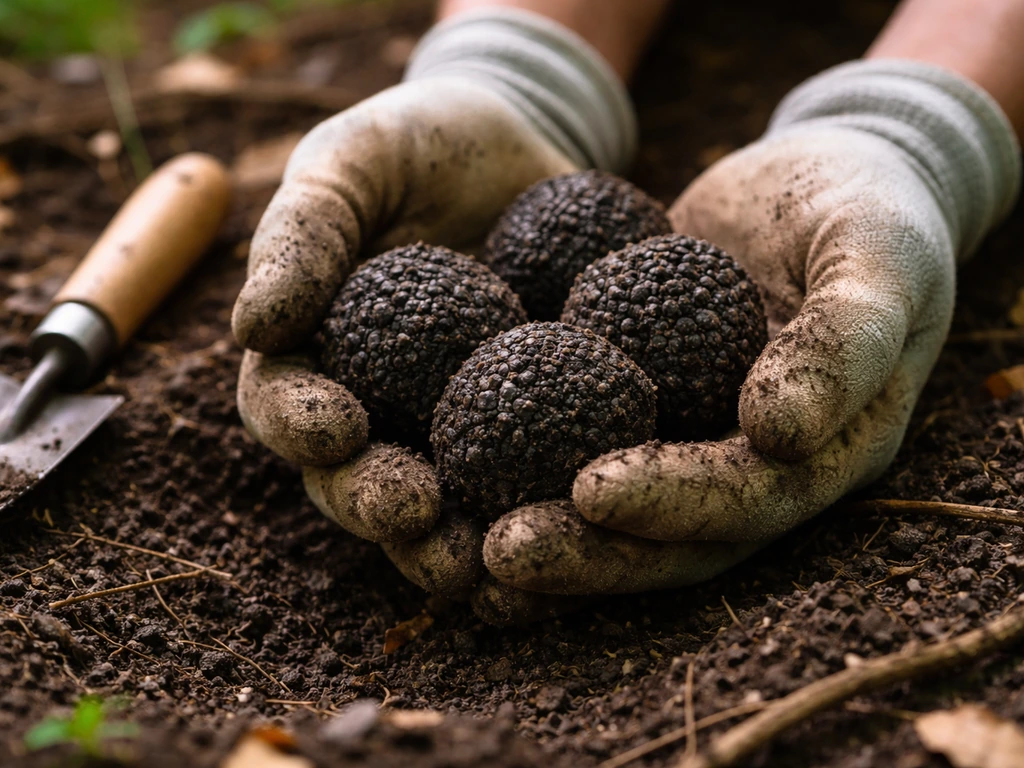
Harvesting
Black truffles (Tuber melanosporum) ripen from November through March in the Northern Hemisphere. Ripe truffles emit the characteristic intense aroma that trained truffle dogs (Lagotto Romagnolo is the most popular breed) and pigs can detect underground. Training a dog is genuinely the most practical harvesting method for small orchard owners. You can also do systematic probing of the brûlé zone with a thin metal rod, feeling for the firmness of a buried truffle, but this is slow and risks damaging unripe ones. Harvest only ripe truffles: an unripe truffle has essentially no market value and loses yield potential if pulled early. Ripe truffles feel firm but have slight give, are dark black inside (for melanosporum), and smell intensely aromatic.
Storage
Fresh truffles are highly perishable. Store unwashed truffles in a sealed glass jar with dry paper towels, refrigerated at 2 to 4°C (35 to 39°F). Change the paper towels daily. Fresh black truffles keep for about 5 to 7 days at peak quality. For longer storage, truffles can be frozen whole (quality degrades somewhat but it's acceptable), preserved in oil, or infused into butter and frozen. Never store truffles in rice for extended periods, as this desiccates them faster than it preserves them despite the popular advice.
Troubleshooting common failure points
The most common reason a truffle orchard never produces is contamination of inoculated seedlings with competing fungi before or after planting. If the mycorrhizal balance tips toward other ECM fungi (Scleroderma, Cenococcum, or common toadstools), the truffle mycelium gets outcompeted. This is why starting with quality-verified seedlings and maintaining lean, low-organic-matter soil is so important. Other common failure points include:
- pH drift below 7.5: test annually and correct with lime before it becomes a chronic problem
- Waterlogging during winter: if your site pools water, install drainage channels or mound your planting rows to improve drainage and soil oxygen levels
- Drought stress in summer: skipping irrigation during truffle initiation period (July to September in Northern Hemisphere) is a leading cause of zero harvests
- Over-fertilizing: any nitrogen-rich fertilizer applied to the truffle zone will stimulate non-mycorrhizal soil fungi and suppress truffle colonization
- Planting on sites with deep, dark, humus-rich topsoil: these soils need amendment or replacement with leaner material before planting
- Wrong climate zone: Tuber melanosporum needs hot, dry summers and cold winters. If your climate doesn't match, consider Tuber aestivum instead
If you've made it to year 7 or 8 with no signs of fruiting, the most useful diagnostic step is a soil PCR test for truffle mycelium. If the mycelium is present but not fruiting, the issue is likely a fruiting trigger problem, often related to irrigation timing, soil gas diffusion, or canopy management, rather than colonization failure.
Irrigation-research models describe triggering drip irrigation onset by using soil water tension (soil water potential) thresholds as a practical irrigation-timing approach irrigation timing.
Research into Tuber melanosporum spread in sub-optimal climatic zones has found that fruiting triggers can be the controlling factor even when the mycorrhizal network is intact and healthy. Adjusting your late-summer irrigation timing and pruning for more sunlight penetration are the first things to try in this situation.
Indoor and container growing: what's actually possible
A lot of people searching for how to grow truffles are hoping for an indoor setup similar to a mushroom fruiting tent. The honest answer is: true truffles cannot be grown indoors in any practical sense. They require a living tree, years of outdoor root development, and outdoor seasonal conditions. There's no substitute for this.
What you can do indoors is maintain very young inoculated seedlings in large containers (over 20 liters) on a sunny balcony or in a greenhouse as a transitional measure before outdoor planting, but this is temporary housing, not a growing system. For a step-by-step guide covering the full outdoor orchard approach with more detail on species-specific management, how to grow truffles at home goes deeper on the backyard-scale setup.
If you want the prestige of black truffles specifically and have the right climate, the dedicated guide on how to grow black truffle covers Tuber melanosporum orchard management in detail, including soil amendment schedules and irrigation planning. For those exploring the broader black truffle category including species sometimes marketed as 'black truffle mushrooms,' the article on how to grow black truffle mushrooms is also worth reading to understand what you're purchasing and planting.
Truffle growing is a long game, but it's not an impossible one. People successfully harvest truffles from backyard orchards, small farms, and even large garden plots around the world. The key is starting with the right information, the right seedlings, and the right site, and then staying patient and consistent. The 7 to 10 year timeline sounds daunting, but if you plant this spring, you could realistically be harvesting by the mid-2030s. That's not a joke, that's the actual math, and it's worth starting now.
FAQ
Can I grow truffles in containers or indoors before planting them outside?
Yes, but only as a transitional step. Keep very young inoculated seedlings in large containers (over 20 liters) with full sun, then plant them outdoors once you can match the site needs (alkaline, well-draining soil, no waterlogging, and frost risk managed). Container growing alone will not “force” truffles because fruiting depends on an established root system and outdoor seasonal triggers.
What should I do if weeds keep growing aggressively in the brûlé zone?
If you see competing grasses or broadleaf weeds taking over the brûlé area, don’t mulch heavily and don’t deep-hoe the soil. Keep it lean by hand-weeding or shallow surface management only, and consider light lime-gravel around the tree if bare zones expand too much. Deep cultivation can injure fine feeder roots and disrupt the mycorrhizal network.
Should I fertilize to speed up truffle production?
For most home orchards, you should avoid any nitrogen fertilizer and focus instead on maintaining the target soil chemistry (especially pH and calcium balance). Extra nutrients can shift the mycorrhizal community away from truffle and increase competing fungi and grasses. If you want to change anything, do it after a soil test and only to correct measurable deficiencies.
If I have a brûlé but no truffles yet, does that mean the trees are failing?
A brûlé appearing after about 3 to 5 years is a good sign, but brûlé size alone does not guarantee fruiting. If you have brûlé yet no truffles by years 5 to 7, the next diagnostic step is checking colonization (root tips) and then using soil PCR if available to confirm truffle presence. After colonization is confirmed, adjust the fruiting triggers like late-summer irrigation timing and canopy light penetration.
How do I know the difference between “enough irrigation” and “too much” for black truffles?
Don’t irrigate the same way all year. For Tuber melanosporum, consistent summer watering supports truffle initiation, then watering should back off in autumn to allow a natural dry-down. A common mistake is keeping soil wet into late fall, which can suppress fruiting even when mycorrhizae are healthy.
Can I interplant other crops or trees around my truffle orchard?
You can, but you must ensure the new trees are true non-hosts, not plants that compete heavily with the host’s fine root zone. Avoid adding dense understory vegetation that creates deep shade, and keep any planting outside the near-root and brûlé radius. In practice, the safest approach is minimal additional planting under the orchard canopy.
What if my soil pH isn’t high enough, do I lime once or repeatedly?
If your soil test shows pH is too low, the key is amending with agricultural lime and then retesting after 3 to 6 months. Don’t assume the first correction “stuck,” because soil buffering and rainfall patterns can move pH again over time. Also avoid over-liming beyond what your test indicates, since extreme alkalinity can create other nutrient availability issues.
When is the best time to inspect root tips, and how often should I do it?
Yes, but the timing matters. You should only sample fine root tips after the orchard has had time to establish the mycorrhizal network, typically around year 3 to 5. Exposing roots too early or too often can stress the trees. If you’re uncertain about identification, a specialist lab can confirm with PCR rather than relying on appearance alone.
How can I tell when a truffle is actually ripe before harvesting?
Ripe truffles should be firm with slight give, very dark inside for melanosporum, and strongly aromatic. If they’re harvested early, you often lose market value and reduce future yield potential from that same pocket. Train your harvest approach to only dig when aroma is present and size feels settled.
What’s the safest way to store truffles for a week or more?
Storage method affects aroma and moisture loss. For fresh use, store unwashed truffles in a sealed jar with dry paper towels in the fridge at about 2 to 4°C, and change the towels daily. Avoid long-term storage in rice, and plan to sell or use within about a week for best quality.
Are “truffle spore kits” worth trying for a beginner?
Spores are a real biological starting point, but success at home is so unlikely that most “spore kit” claims are not credible. Germination and successful ectomycorrhizal establishment require compatible host-root timing plus controlled soil conditions. If your goal is a realistic orchard, prioritize certified inoculated seedlings and verify colonization through nursery checks.
My orchard is in year 7 with no truffles, what should I check first?
If fruiting doesn’t start by year 7 or 8, the most practical path is not guessing. First confirm whether truffle mycelium is present via soil PCR (and optionally root tip checks). If it is present, treat it as a fruiting-trigger problem, start by adjusting late-summer irrigation timing and improving light penetration through light pruning, then reassess before making major site changes.