
Beech mushrooms (Hypsizygus tessellatus and its close relative H. CABI’s datasheet for blank" rel="noopener noreferrer">Hypsizygus tessellatus provides formal background and taxonomy for the species that “beech mushroom” commonly refers to. marmoreus) are absolutely growable at home, but they demand more patience than oysters or shiitake. Expect a realistic timeline of 4 to 5 months from inoculation to your first harvest, including a mandatory after-ripening rest period that trips up a lot of first-timers. Get that timeline in your head now, commit to the process, and these dense little clusters of white or brown clamshell mushrooms are genuinely rewarding to grow.
How to Grow Beech Mushrooms Step by Step Indoors and Outdoors
Marcus Holloway
6 May 2026
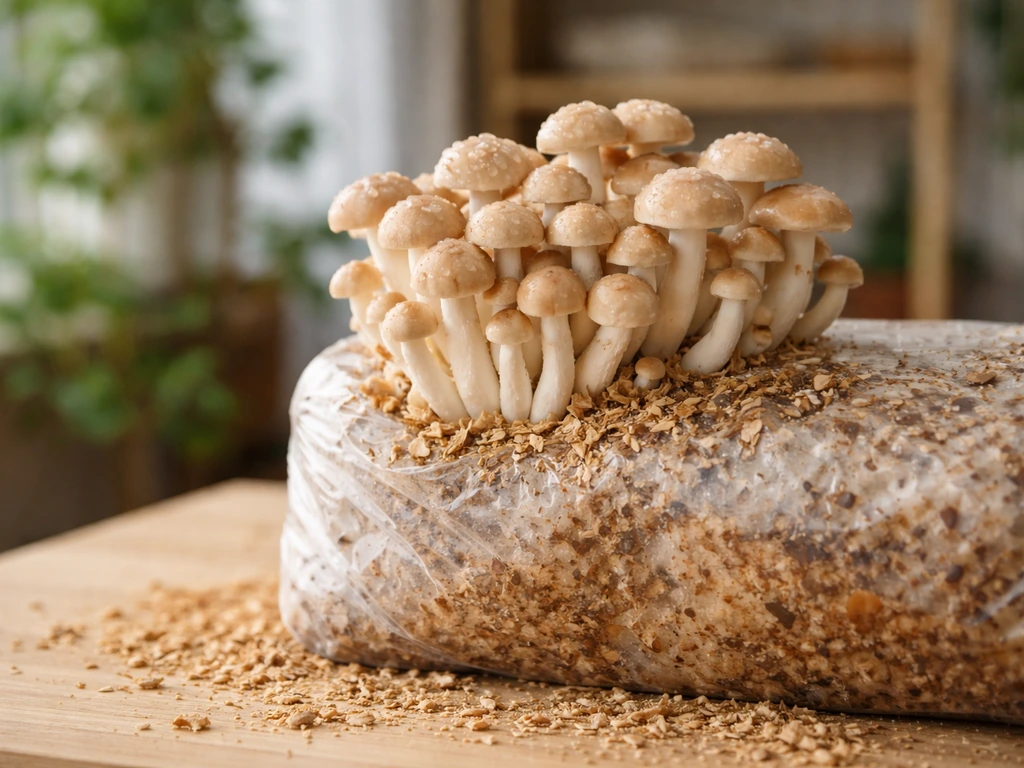
Which beech mushroom are you actually growing?
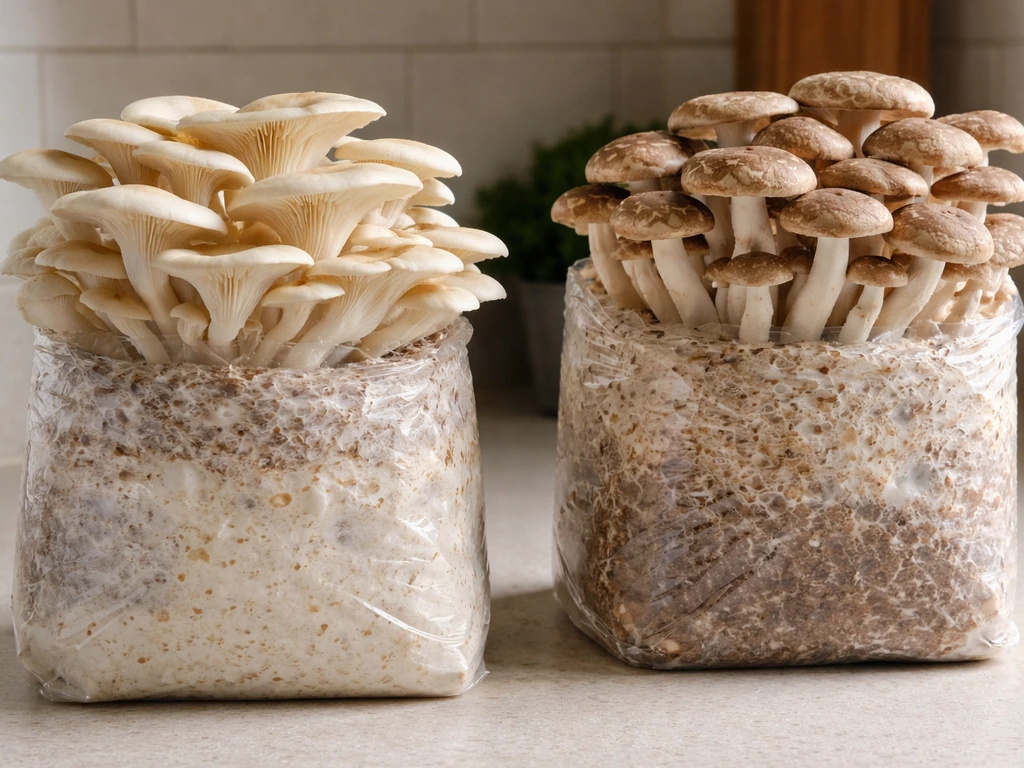
The name "beech mushroom" covers a few things depending on where you buy spawn or kits. The two species you'll encounter most are Hypsizygus tessellatus and Hypsizygus marmoreus. In commerce they go by a confusing cluster of names: buna-shimeji, bunapi-shimeji, hon-shimeji, white clamshell, brown clamshell, king brown beech, and white beech. For practical growing purposes, treat them the same way. The main difference is cosmetic: the white strain produces pale, cream-colored caps and the brown strain produces tan to dark brown caps. The brown strain also tends to form fruiting bodies slightly earlier once primordia appear, so if you're impatient, lean brown.
What you want to avoid confusing these with is the actual beech bracket or other species that happen to fruit on beech wood. If your spawn label says Hypsizygus, you're in the right place. If it just says "beech" with no Latin name, ask the supplier to confirm the species before you commit to a long cultivation cycle.
Log cultivation vs. indoor substrate bags: pick your method
You have two realistic paths: inoculating logs outdoors, or growing on sterilized sawdust substrate indoors in bags or blocks. Both work. The right choice depends on your setup, patience level, and whether you want a seasonal outdoor patch or a controlled indoor cycle.
| Factor | Log inoculation (outdoor) | Sawdust/substrate bags (indoor) |
|---|---|---|
| Setup cost | Low (logs + dowels + wax) | Moderate (bags, pressure cooker, spawn) |
| Time to first harvest | 12–18 months | 4–5 months |
| Environmental control needed | Low (nature does most of it) | High (temperature, humidity, CO2) |
| Yield per cycle | Lower but multi-year | Higher per block, repeatable |
| Best for | Outdoor growers, low maintenance | Indoor growers, year-round production |
| Suitable wood | Beech, oak, birch logs | Hardwood sawdust (beech, maple, oak) |
For most home growers who want a reliable first harvest indoors, the sawdust substrate bag method is the better starting point. You get more control over the environment, a more predictable timeline, and higher yields per block. Log cultivation is a fantastic low-effort outdoor project if you have access to fresh hardwood logs and don't mind waiting over a year, and it's worth knowing that beech, oak, and birch are all well-suited host woods for this species.
Materials you need before you start
For indoor substrate bag cultivation
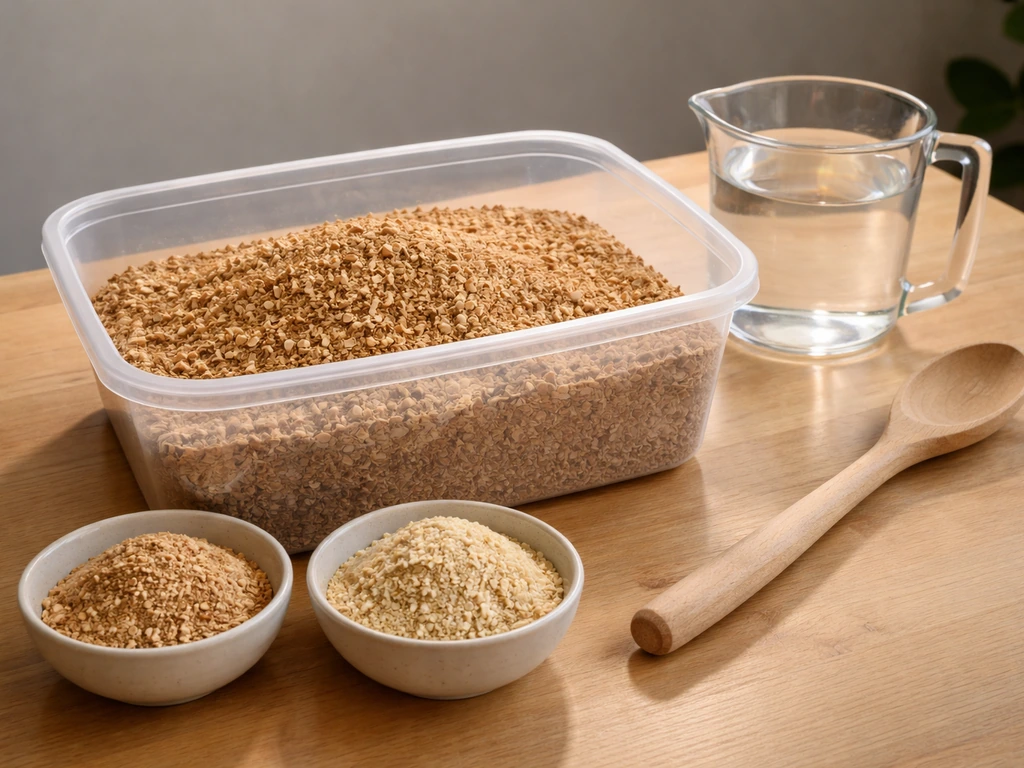
- Hardwood sawdust as the primary substrate (beech, maple, or oak sawdust works best)
- Nitrogen supplement: wheat bran, rice bran, or soybean hulls at 10–20% of dry substrate weight
- Polypropylene mushroom grow bags with filter patches (these tolerate sterilization temperatures)
- Pressure cooker capable of reaching 121°C (15 PSI) for substrate sterilization
- Grain or sawdust spawn from a reputable supplier (match to H. tessellatus or H. marmoreus specifically)
- Isopropyl alcohol (70%) and a still air box or flow hood for inoculation
- Thermometer and hygrometer for the fruiting environment
- A spray bottle for misting
For log inoculation
- Fresh hardwood logs (beech, oak, or birch), cut within the last 2–4 weeks and 3–8 inches in diameter
- Dowel spawn inoculated with H. tessellatus or H. marmoreus
- 8 mm drill bit and a drill
- Food-grade wax (cheese wax or beeswax) and a brush or dauber to seal holes
- A shaded outdoor spot or shed for colonization
On spawn sourcing: buy from a supplier who specifically stocks Hypsizygus. Generic "shimeji spawn" from an unnamed source is a gamble. Grain spawn colonizes faster and mixes more evenly into substrate, making it the preferred choice for bag cultivation. Dowel spawn is designed for log inoculation and those two are not interchangeable. Dowel spawn is specifically made for log inoculation, so use it to learn the practical steps for growing mushroom dowels.
Inoculation and colonization step by step
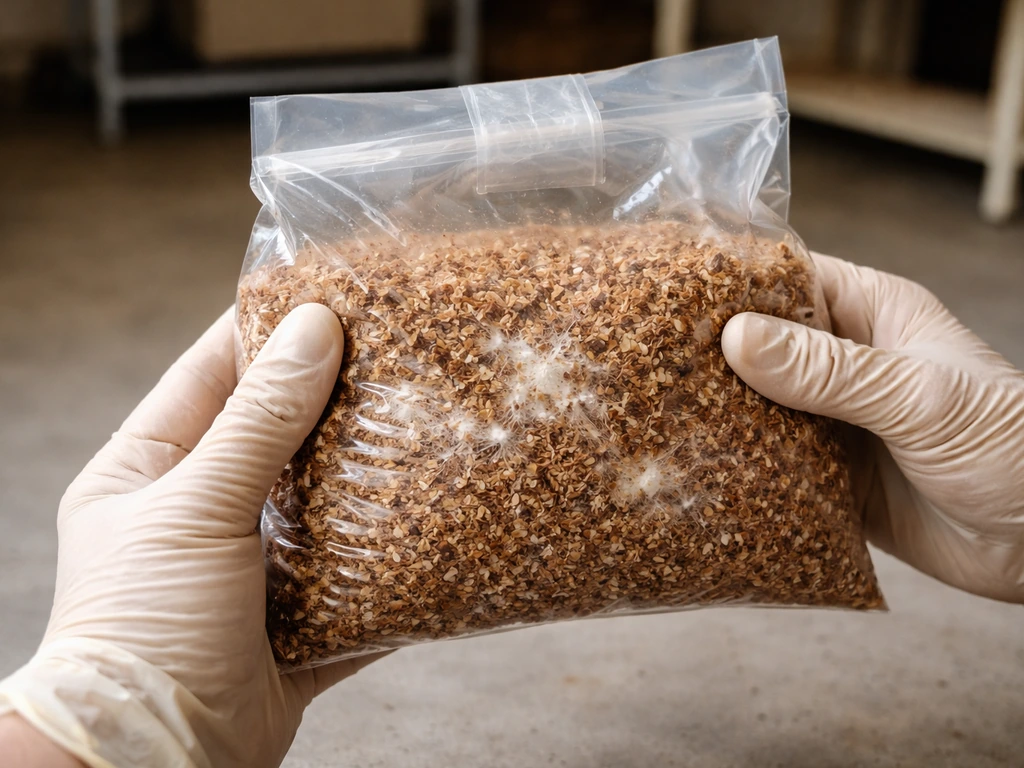
Indoor substrate bag method
- Mix your substrate: combine hardwood sawdust with 10–20% wheat or rice bran by dry weight. Hydrate to about 60–65% field capacity (a firm squeeze should produce just a few drops of water).
- Load into polypropylene bags and seal or fold tops loosely before sterilization.
- Sterilize at 121°C (15 PSI) for at least 60 minutes in a pressure cooker. Larger blocks may need 90–120 minutes. Let bags cool completely to room temperature before opening.
- In a clean, still environment (still air box or in front of a flow hood), wipe everything with 70% isopropyl alcohol. Mix grain spawn into the cooled substrate at roughly 10–20% spawn rate by weight. Seal bags.
- Move bags to your colonization space: 21–25°C, around 65% relative humidity, and dark. CO2 can run higher here (up to around 4,500 ppm is tolerated at this stage), so minimal air exchange is fine.
- Watch for dense white mycelium spreading through the substrate. Full visible colonization takes approximately 35–40 days.
Log inoculation method
- Using an 8 mm drill bit, drill holes approximately 4 cm deep in a zig-zag pattern, spacing holes about 10 cm apart across the log.
- Press one dowel into each hole, tapping gently flush with the bark surface.
- Melt wax and seal every hole completely, including a small margin of bark around each dowel. This prevents drying out and blocks contamination.
- Store logs in a shaded outdoor area or unheated shed. Keep them damp by watering periodically or covering with burlap.
For log colonization, mycelium needs to fully run through the wood before fruiting is possible. This typically takes 12–18 months depending on log diameter and conditions. You won't see dramatic visual changes during this phase, which is normal. The mycelium is working inside the wood.
The after-ripening stage (indoor bags only): the step most people skip
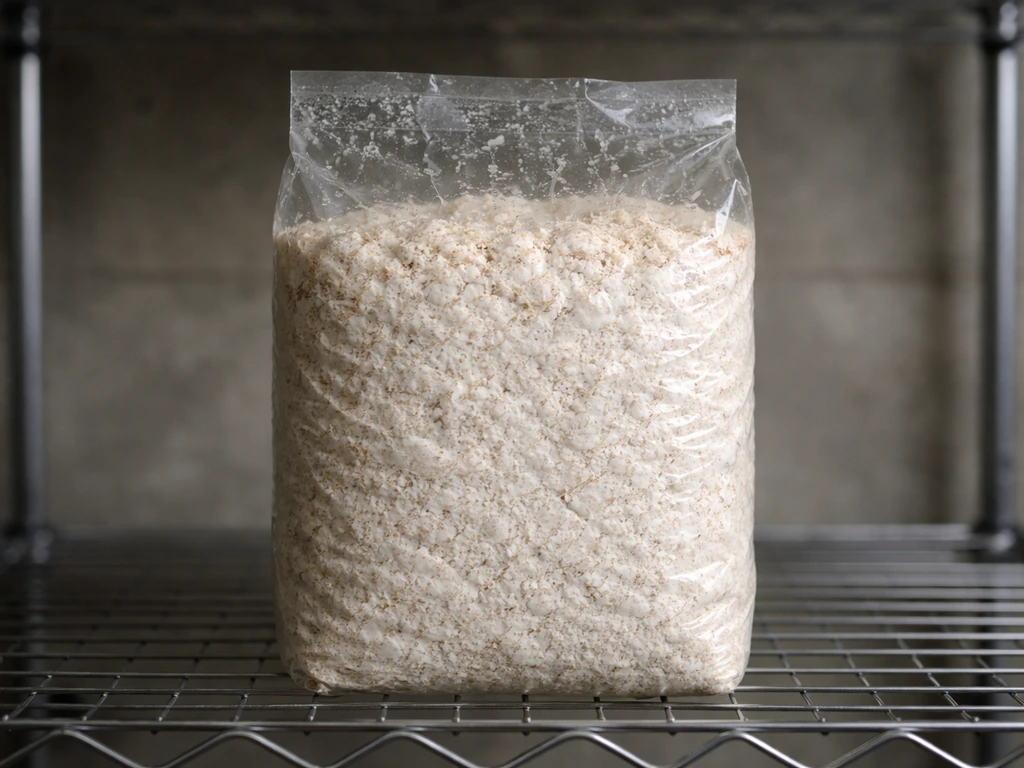
Here's the part that surprises almost every new beech mushroom grower: even after your block looks fully colonized, it won't fruit yet. Hypsizygus tessellatus requires a mandatory after-ripening period of 60 to 90 days after full colonization before the mycelium is physiologically ready to fruit. This is not a sign something went wrong. It's biology. Keep the fully colonized block sealed at colonization conditions (21–25°C, dark) during this wait. Trying to trigger fruiting before this window closes is one of the most common reasons beech mushroom blocks stubbornly refuse to pin.
Setting up for fruiting: environment and the trigger
Once the after-ripening period is complete, you need to trigger fruiting with a specific shift in conditions. This is where temperature drop does the heavy lifting.
Fruiting trigger protocol
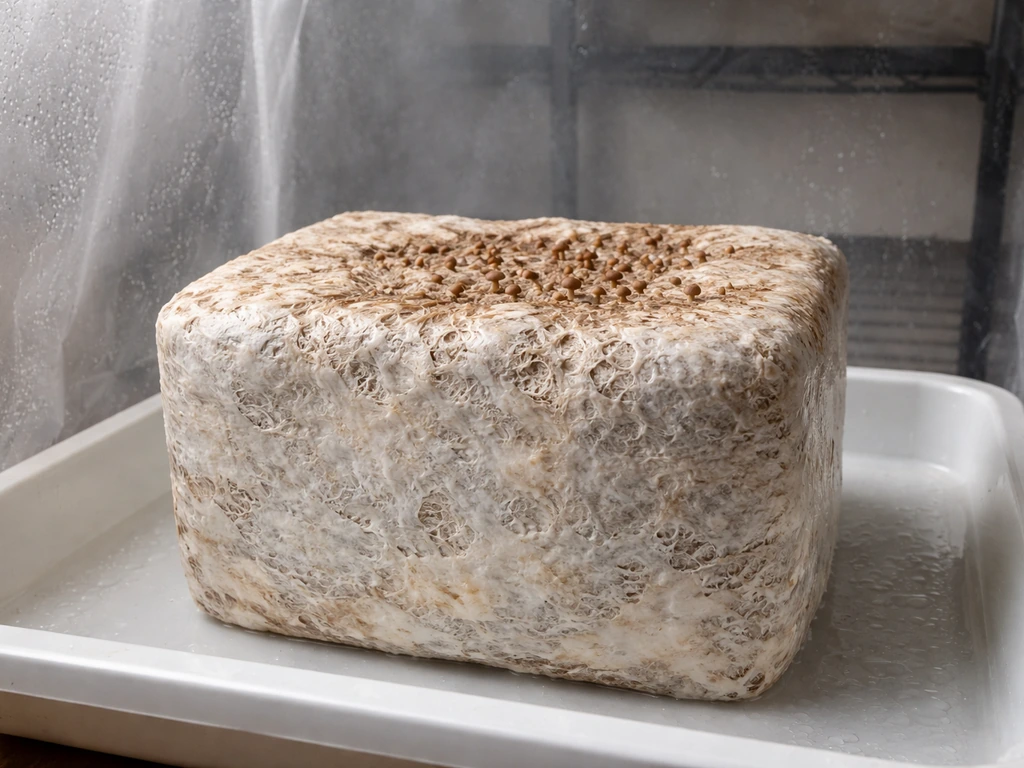
- Open or remove the bag collar and expose the surface of the colonized block.
- Lightly scratch the top surface of the mycelium with a clean fork or tool to break up the surface layer.
- Apply a small amount of clean, room-temperature water to the scratched surface.
- Cover the surface loosely with damp newspaper or coarse fabric to retain humidity.
- Move the block to your fruiting environment and drop temperature to 14–15°C. Increase fresh air exchange significantly.
Ongoing fruiting conditions
Once pins start forming, maintain temperature between 10 and 20°C, with 14–16°C being the sweet spot for most strains. Keep relative humidity at 85–90%. Mist the walls of your fruiting chamber (not directly on pins) twice daily to maintain humidity without waterlogging the substrate. Fresh air exchange is critical here.
Low CO2 is essential: high CO2 causes stems to elongate and caps to stay small and thin, which is a common frustration with beech mushrooms grown in poorly ventilated spaces. ATTRA (NCAT) notes that fruiting success depends on managing temperature, humidity, and airflow or CO2 during pinning and fruit body development [Fresh air exchange is critical here. ](https://attra. ncat.
org/wp-content/uploads/2026/05/mushroom-cultivation. pdf). Fan briefly 2 to 4 times per day, or use a chamber with passive filter patches that allow steady air exchange. Light requirements are low, around 50 to 200 lux, roughly equivalent to indirect window light or a weak LED on a timer.
Think forest floor, not greenhouse.
From the fruiting trigger to harvest, expect approximately 20 to 22 days. Pins will cluster densely and slowly elongate as caps develop. If you're adding up the total timeline for indoor bags: 35 to 40 days colonization, plus 60 to 90 days after-ripening, plus 20 to 22 days fruiting. Budget 4 to 5 months comfortably from inoculation day.
Harvesting, storing, and getting more flushes
When and how to harvest
Harvest when caps are under about 1 inch (2.5 cm) across with edges still curled inward. Waiting until caps fully flatten and edges turn up means you've gone slightly past peak quality and shelf life will drop noticeably. Twist the entire cluster at the base and pull cleanly, or cut with a sharp knife as close to the substrate surface as possible. Beech mushrooms grow in tight clusters, so you're usually harvesting a whole cluster at once rather than individual caps.
Storage
Fresh beech mushrooms keep for up to a week in a paper bag in the refrigerator (avoid plastic, which traps moisture and speeds deterioration). For longer storage, dry them in a food dehydrator or a barely warm oven at around 135 to 150°F until completely dry and brittle, then store in airtight containers away from light. You can also freeze them after a quick blanch if you want to preserve a large harvest without dehydrating.
Triggering the next flush
After harvesting, clean any remaining stem stubs from the substrate surface. Soak or rehydrate the block by submerging it in cold water for 6 to 12 hours, or simply pour water over the surface and let it drain. Seal the block again and return it to resting conditions for 10 to 14 days before re-initiating the fruiting trigger. Beech mushroom blocks typically produce 2 to 3 flushes before substrate nutrition is exhausted. If you're specifically trying to grow chestnut mushrooms, the fruiting trigger and flush schedule can help you plan when to expect your next harvest. Each subsequent flush tends to be slightly smaller than the first, which is normal.
Troubleshooting: contamination, stalled colonization, and pinning problems
Green or black mold on the substrate
Green patches are almost always Trichoderma, and the rule here is simple: if you see green anywhere on the substrate, isolate that bag immediately and discard it. Trichoderma spreads fast, is aggressive against mycelium, and will not resolve on its own. Black patches suggest Aspergillus or Mucor. Same response: remove from your grow space and bin it. Don't try to cut out contaminated sections of substrate bags. It's not worth the risk of spreading spores to your other blocks.
Sour or swampy smell
A sour, fermented, or swampy odor from a bag that looks otherwise fine indicates bacterial contamination, usually from insufficient sterilization or water introduced post-sterilization. Discard these. Healthy colonizing substrate should smell earthy, faintly mushroomy, or like fresh sawdust.
Colonization stalled or very slow
If mycelium growth stops or barely moves after the first two weeks, check temperature first. Below 18°C will slow Hypsizygus significantly. Also check CO2 levels if possible: counterintuitively, too little fresh air exchange during colonization (total stagnation rather than just low exchange) can create conditions that inhibit growth. Make sure bags aren't sitting in a completely sealed, unventilated cabinet with no passive air movement at all. Some gentle circulation in the colonization room is fine.
No pins after fruiting trigger
The most common cause is attempting fruiting before after-ripening is complete. If you want the full step-by-step timing and setup for this species, see how to grow honey mushrooms. If you haven't waited the full 60 to 90 days post-colonization, the block will not pin no matter what you do to the environment. Return it to colonization conditions and wait. Other causes include temperature too high (above 20°C in the fruiting chamber), humidity below 80%, or CO2 too high from insufficient air exchange. Check all three before giving up on a block.
Long, thin stems and tiny caps
This is a CO2 problem almost every time. Beech mushrooms are sensitive to elevated CO2 during fruiting. Increase fan duration or frequency, add more passive ventilation to your fruiting chamber, and keep the space from feeling stuffy. Caps should round out and stems should firm up within the next pin wave once CO2 is corrected.
Growing beech mushrooms takes genuine patience, more than most species covered in standard beginner guides. But the timeline is predictable and the failure modes are manageable once you know what to watch for. Get your substrate sterilization and inoculation clean, respect the after-ripening phase, keep CO2 low during fruiting, and you'll have a harvest that's genuinely worth the wait.
If you want the full walkthrough, follow these steps for how to grow hen of the woods mushrooms from spawn to harvest. If you're curious about faster-fruiting wood-loving species to grow alongside your beech blocks, wood ear mushrooms and chestnut mushrooms follow a more compressed timeline and share similar hardwood substrate setups, making them good parallel projects while your beech blocks mature.
If you're curious about how to grow chicken of the woods mushrooms instead, you can follow a similar indoor substrate workflow but with species-specific colonization and fruiting triggers. Wood ear mushrooms (Auricularia species) can be grown on hardwood logs or similar substrate with a comparable focus on clean setup and stable fruiting conditions. Chestnut mushrooms can be grown indoors on similar sterilized hardwood substrate, but the key is dialing in their specific fruiting conditions and timeline.
FAQ
How long can I keep beech mushroom blocks sealed before I decide something is wrong?
If the block is fully colonized but not pinning, don’t vent or start fruiting early. Keep it sealed at colonization conditions (around 21 to 25°C, dark) for the full 60 to 90 days after-ripening window, then switch to fruiting conditions. Opening “just to check” can introduce extra CO2 problems and moisture swings.
Do I need fresh air exchange during colonization, or can I keep the bags totally still?
During colonization you want stable conditions, but total stagnation in an airtight cabinet can slow growth. Provide gentle room circulation in the area where bags sit, without directly blasting the bags with drafts. Once you switch to fruiting, you must increase airflow to keep CO2 low.
What’s the best way to know if my humidity is correct without over-misting?
Aim for 85 to 90% RH, but prioritize misting the chamber walls, not the substrate, to avoid pooling water that can invite bacteria and soft rot. If you see droplets hanging on surfaces longer than a few minutes, you’re likely overshooting and should reduce mist frequency.
Can I fruit beech mushrooms at room temperature if my apartment runs warm?
Room temperatures that stay above about 20°C commonly cause slow pinning and poor cap development. If your space runs warm, you’ll usually need a dedicated cooler spot or temperature control, especially during the fruiting phase where the sweet spot is closer to 14 to 16°C.
Should I cut contaminated spots out, or is discarding the whole bag the right call?
For green patches (often Trichoderma) and black patches (often Aspergillus or Mucor), discard the entire bag. Cutting out sections is unreliable because contamination can spread through unseen mycelial channels and spores can seed nearby bags.
Why do my mushrooms look thin-stemmed or have weird cap shape even if they’re growing?
That symptom is often a CO2 issue. Increase fresh air exchange (more frequent brief fan cycles, better passive venting), and ensure the chamber doesn’t feel stuffy. CO2 problems can show up even when humidity and temperature look “okay.”
Do beech mushrooms need light during fruiting, and what if I only have dark-room LEDs?
Beech mushrooms need low light, roughly like indirect window light (50 to 200 lux). Darkness won’t usually stop mycelium completely, but extremely dim conditions can delay healthy pinset. Use a small, consistent light source on a timer for steady indirect lighting.
When should I harvest if my cluster is uneven (some caps flattening, others still curled)?
Harvest when the majority of caps are under about 2.5 cm (1 inch) and edges are still curled inward. If a few are flattening early, they’re slightly past peak. It’s better to harvest at the “mostly curled” stage to protect the quality of the cluster.
Can I re-sterilize and reuse a spent substrate block after the 2 to 3 flushes?
Usually no. After multiple flushes, nutrition is exhausted, and re-sterilizing the block doesn’t reliably restore performance. The practical approach is to start fresh blocks, or keep spent blocks for composting and soil amendment once fully done.
Is it safe to freeze beech mushrooms, and do they need to be blanched first?
Freezing is feasible, but blanching briefly first helps preserve texture and color. After blanching and cooling, drain thoroughly before freezing so ice crystals and excess water don’t degrade the mushrooms during storage.
What’s the easiest way to avoid bacterial contamination after sterilization?
Prevent water exposure after sterilization, especially from wet hands, splashed surfaces, or overly wet inoculation steps. Also avoid adding water directly onto the substrate during fruiting, stick to misting chamber walls, and keep the chamber reasonably clean to reduce airborne bacterial load.
I’m using the wrong spawn type, can I still learn the process?
You generally should not swap dowel spawn and grain spawn between logs and bags. Dowel spawn is designed for log inoculation, while grain spawn colonizes more evenly for bag substrates. Mixing spawn types can lead to uneven colonization timing and frustrate the fruiting schedule you’re trying to follow.