
Fungi grow in soil by starting as spores or mycelial fragments, germinating into thread-like hyphae, spreading through organic matter as a colonial network called mycelium, and eventually producing fruiting bodies (mushrooms) when temperature, humidity, CO2, and nutrients hit the right combination. If you mean black fungus mushrooms specifically, the same soil-condition levers apply, but you also need the right species, substrate, and fruiting trigger to get reliable flushes. That whole arc, from a single spore to a harvestable mushroom, can take anywhere from two weeks to several months depending on the species and conditions. If you're a home grower trying to encourage the right fungi in soil or a bed outdoors, understanding each stage gives you real levers to pull. If you follow the stages and condition controls described here, you can build a reliable routine for how to grow fungus at home without guessing.
How Do Fungus Grow in the Soil and How to Control It
The basics: how fungi actually establish in soil
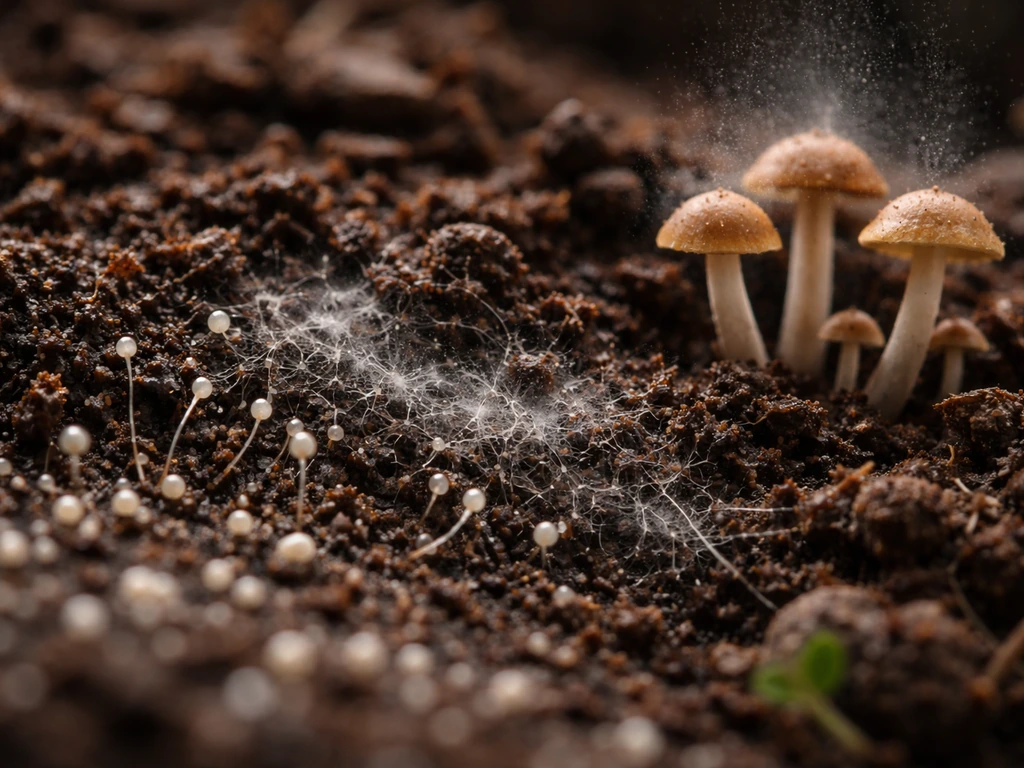
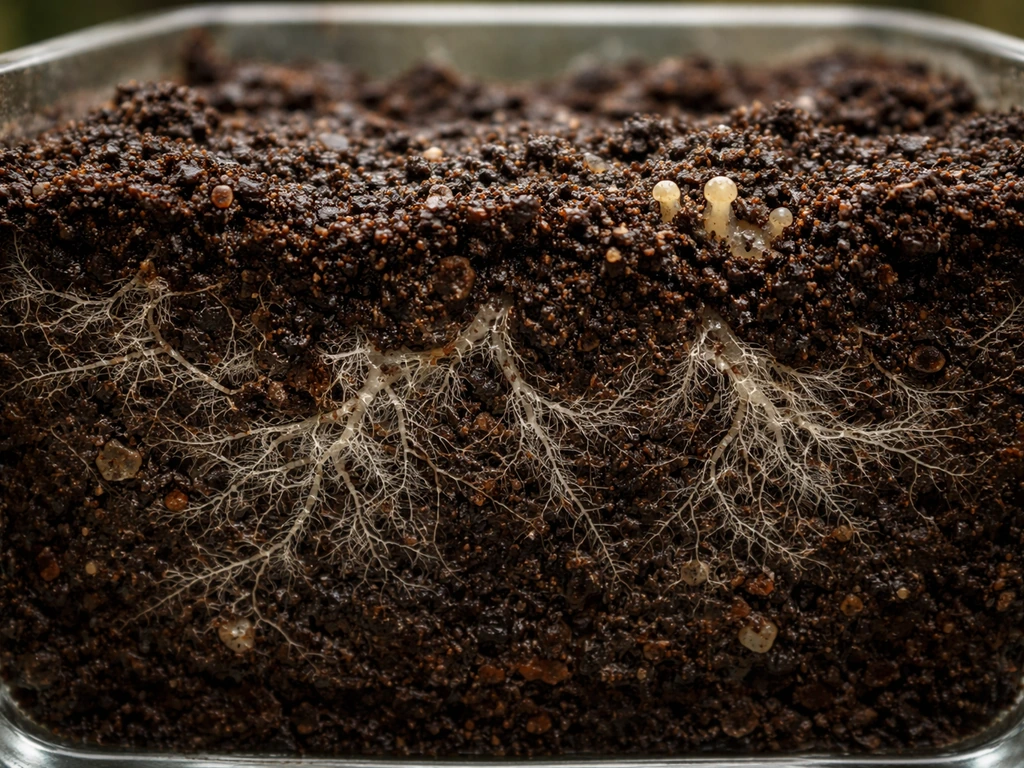
The life cycle runs in four broad stages: spore germination, colonization (mycelium growth), fruiting (basidiocarps forming), and sporulation, where mature mushrooms release new spores that disperse and wait until conditions and nutrients are suitable again. Spores can stay dormant in soil for months or even years. When moisture, temperature, and a food source align, a spore germinates by extending a germ tube that branches into hyphae. Those hyphae keep branching and fusing into the white, thread-like mycelium you've probably spotted under bark, in compost, or running through potting mix. That mycelial network is the actual organism. The mushroom is just the reproductive tip of the iceberg, built when the mycelium has enough stored energy and gets the right environmental signal.
It helps to think of fungal growth in two phases: a vegetative phase (mycelium spreads, feeds, and builds mass) and a reproductive phase (fruiting bodies develop and release spores). As a grower, almost everything you do is about managing which phase the fungus is in and keeping it moving forward productively.
The soil conditions that control fungal growth
Four variables do the heavy lifting: moisture, temperature, oxygen, and pH. Get these right and colonization moves fast. Get them wrong and you either stall or invite the wrong fungi.
Moisture
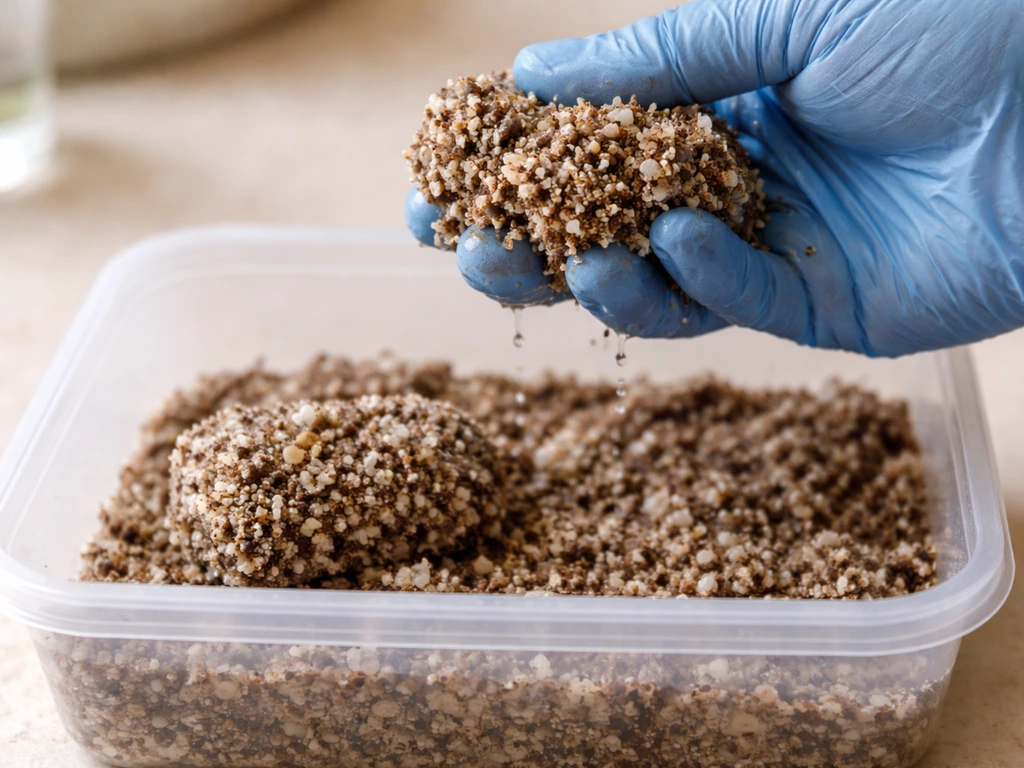
Mycelium needs a consistently moist but not waterlogged environment during colonization. Think of the 'squeeze test': if you grab a handful of substrate and squeeze, only a few drops should come out. Too wet and you drown the mycelium and invite bacterial contamination. During fruiting, you're aiming for relative humidity of roughly 85 to 95 percent in the air around the developing mushrooms. Soil or substrate moisture and ambient humidity are two different things to manage, especially in an outdoor bed versus an indoor fruiting chamber.
Temperature
Most edible mushroom species colonize fastest in the range of 70 to 77°F (21 to 25°C) and then fruit best at slightly cooler temps. Oyster mushrooms, for example, fruit well between roughly 55 and 65°F depending on the variety. Lion's mane prefers 65 to 75°F for fruiting. Shiitake likes a fruiting range of about 55 to 75°F. That temperature drop from colonization to fruiting is often the biological trigger that tells mycelium to shift gears. Outdoors in soil beds, you're largely working with seasonal rhythms to get that drop naturally.
Oxygen and CO2
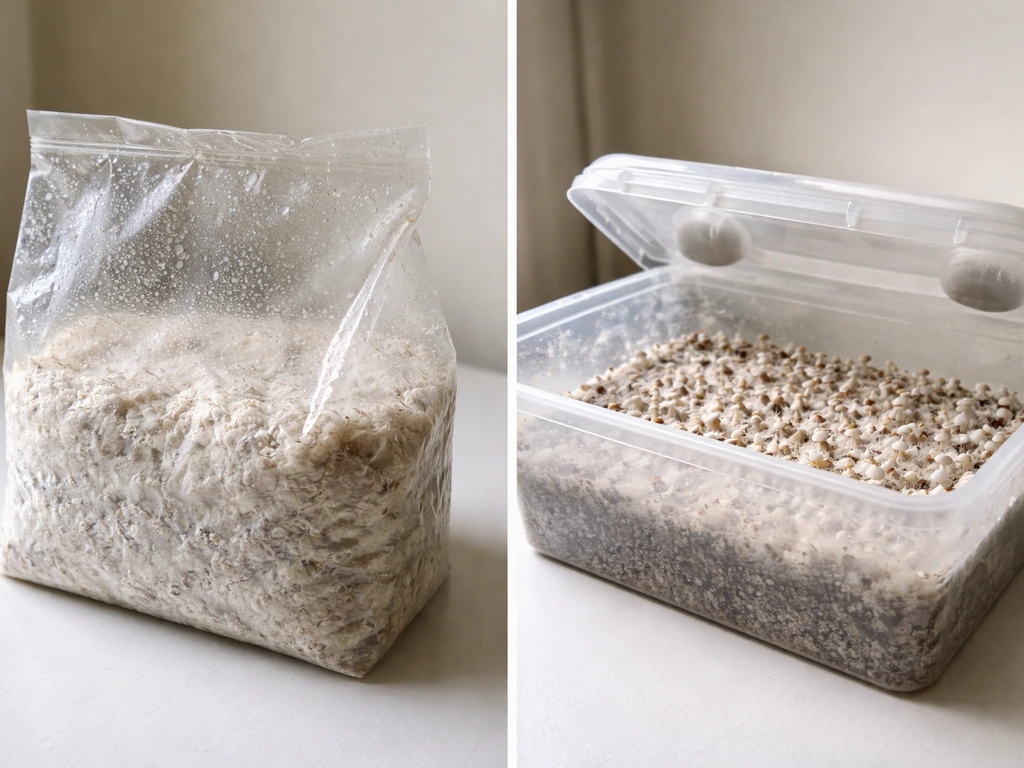
Mycelium actually tolerates higher CO2 during colonization, which is why sealed or semi-sealed bags work well at that stage. But once pins start forming, mushrooms need fresh air exchange to remove CO2. During fruiting, mushrooms need fresh air exchange to remove carbon dioxide, and low fresh-air exchange can worsen growth and cause issues like condensation buildup and malformed mushrooms fresh air exchange to remove carbon dioxide during fruiting. Low oxygen during fruiting produces tall, spindly, malformed mushrooms or causes condensation buildup that leads to rot. This matters in soil beds too: compacted, waterlogged soil restricts oxygen flow to mycelium and slows or stops colonization. Loose, aerated substrate is not optional.
pH
Most edible fungi tolerate a fairly wide pH range but have clear preferences. For oyster mushrooms (Pleurotus spp.), mycelial growth happens across pH 4.0 to 7.0, with optimal mycelial growth and fruiting body development both landing in the 6.5 to 7.0 range. Button mushrooms (Agaricus bisporus) prefer a slightly higher pH in their compost. If your soil or substrate is too acidic or too alkaline, growth will slow noticeably. A basic soil pH test (under $15 at any garden center) is worth doing before you set up an outdoor mushroom bed.
What fungi are actually eating in your soil
Saprophytic fungi (the ones used for most edible mushroom cultivation) break down dead organic matter: wood chips, straw, compost, leaf litter, spent coffee grounds. They secrete enzymes that break cellulose and lignin into simpler compounds they can absorb. This is why substrate choice matters so much. Oyster mushrooms thrive on straw and hardwood sawdust because those materials are loaded with cellulose and lignin. Button mushrooms want fully composted manure because they prefer more broken-down nitrogen-rich material. If your substrate doesn't have the right food source for your target species, colonization will be weak and fruiting will likely fail.
Mycorrhizal fungi (like truffles or chanterelles) work differently. They form partnerships with plant roots and exchange nutrients with the host plant. You can't just inoculate a bag of sawdust and expect chanterelles. These species are extremely difficult to cultivate outside their natural plant-host relationship, which is why most home growers stick with saprophytic species.
How and why fruiting actually happens
Fruiting is a stress response, in the best possible way. When mycelium has fully colonized available substrate and senses environmental cues, it shifts from the vegetative phase to reproductive mode. The main triggers are a temperature drop of 5 to 10°F, increased fresh air exchange (dropping CO2), a rise in humidity, and sometimes a flush of water (which mimics rain). Light also plays a role in orienting growth, though most fungi don't need it the way plants do.
For button mushrooms specifically, there's an additional trigger that field growers and commercial operations rely on: a non-nutritive casing layer placed over fully colonized compost. The casing layer (usually peat moss or a peat alternative) doesn't feed the fungus. Instead, it conserves moisture at the surface and signals the mycelium to switch to fruiting mode. Without casing, Agaricus bisporus colonization just keeps running vegetatively. This is a great example of how understanding the biology lets you manipulate timing precisely.
Unwanted vs. beneficial soil fungus: how to tell what you're seeing
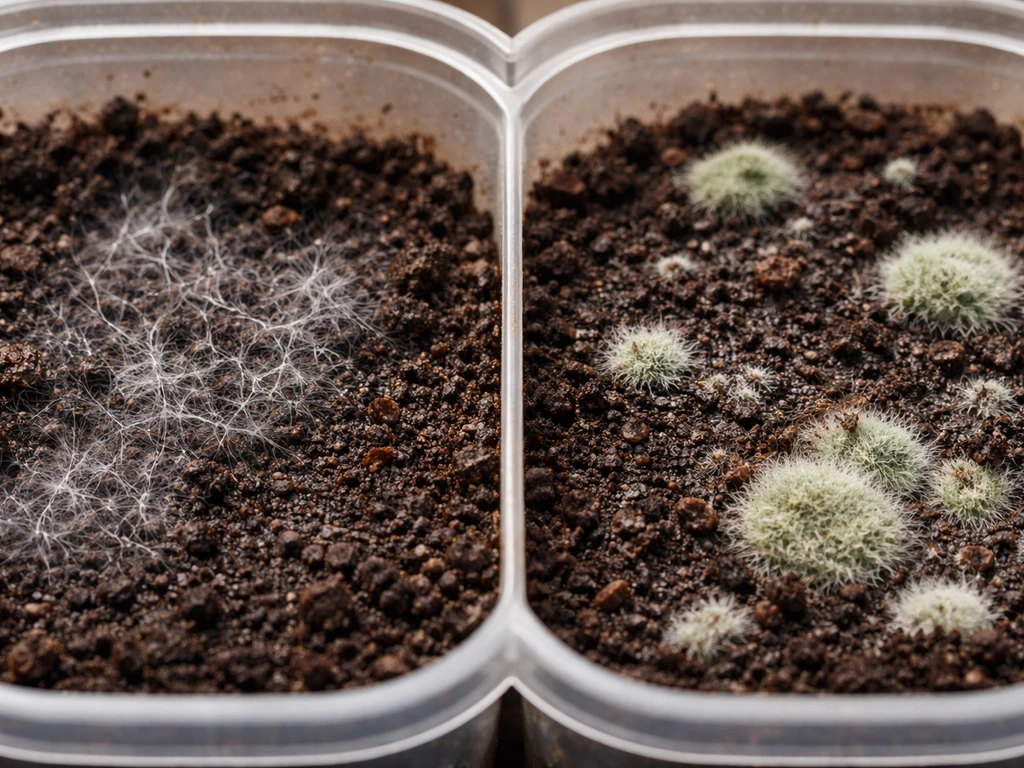
Not everything growing in your soil or substrate is helping you. Here's a quick field guide to what you might encounter and what it actually means.
| What you see | Likely cause | Harmful? | What to do |
|---|---|---|---|
| White cottony threads through substrate | Beneficial mycelium (your target fungus) | No, this is what you want | Leave it alone, monitor moisture |
| Green or blue-green patches | Trichoderma (green mold contamination) | Yes, competes with and kills target mycelium | Remove affected substrate, improve sanitation |
| Black or dark gray fuzzy growth | Aspergillus or other mold contaminants | Yes, can indicate wet/stale substrate | Remove, dry out, reassess moisture and airflow |
| Orange/yellow slimy blob or webbing | Slime mold (not a true fungus, it's a protist) | Not to plants, feeds on decaying matter | Ignore or scoop out; will dry up naturally |
| Fluffy white growth on seedling stems at soil level | Damping-off pathogens (Pythium, Fusarium) | Yes, collapses seedlings | Reduce watering, improve drainage, use clean mix |
| Mushrooms popping up in lawn or mulch | Saprophytic fungi decomposing buried wood or organic matter | Generally no, beneficial decomposers | Leave unless aesthetically unwanted |
A quick note on slime molds: despite the name, they are not true fungi. They're protists that look like fungal outbreaks but don't infect living plants. If you see a yellow foamy mass on mulch or in a garden bed, that's almost certainly a slime mold, not a mushroom pathogen. It feeds on decaying matter and will dry up on its own. You can scoop it out if it bothers you, but it's not hurting anything.
Damping-off is the other common confusion point for home growers. It shows up as seedling collapse at the soil line, sometimes with cobweb-like white growth or mushy tan spots near the base. It's caused by fungal and fungal-like organisms thriving in overly wet, poorly drained, high-humidity conditions. The fix is almost always better drainage and reduced watering, not fungicide.
How to encourage the right fungus for home mushroom growing
Whether you're setting up an outdoor soil bed or an indoor container, the process follows the same logical steps: pick the right species for your conditions, build the right substrate, inoculate with quality spawn, create colonization conditions, then trigger fruiting. Foxfire fungus is grown using the same overall approach, with close attention to your substrate food source and the moisture and oxygen balance during colonization and fruiting how to grow foxfire fungus. If you are specifically asking how to grow termite mushroom, the same framework applies, but you will need to match the substrate and moisture and temperature cues to that species' needs pick the right species for your conditions. Here's how to actually do that. If you specifically want to know how to grow nether fungus, you can use the same approach while matching the species to its preferred substrate and fruiting conditions grow the right fungi.
- Choose your species first. Oyster mushrooms are the easiest starting point for most home growers because they colonize fast, tolerate a range of conditions, and fruit reliably. Wine caps (Stropharia rugosoannulata) are excellent for outdoor soil beds in wood chip gardens. Shiitake works well on inoculated hardwood logs outdoors. Button mushrooms require fully composted manure-based substrate and a casing layer, making them more complex for beginners.
- Build the right substrate. Match your species to its preferred food source. Oyster mushrooms: pasteurized straw, hardwood sawdust, or spent coffee grounds. Wine cap: wood chips mixed into garden soil. Shiitake: hardwood sawdust supplemented with bran (for bags) or inoculated hardwood logs. Button mushrooms: fully pasteurized horse manure compost. Avoid raw uncomposted manure or fresh wood shavings from conifers.
- Pasteurize or sterilize your substrate. For most home-grown species, pasteurization (heating to around 160 to 180°F for 1 to 2 hours) is enough to kill competing molds without killing beneficial microbes. Full sterilization (pressure cooking at 15 PSI for 2.5 hours) is needed for more contamination-prone substrates like supplemented sawdust blocks.
- Inoculate with spawn at the right rate. Grain spawn is the most efficient for bags or containers. Use a spawn rate of around 10 to 20% by weight of substrate. Higher spawn rates speed up colonization and reduce the window for contamination. For outdoor beds, plug spawn pressed into drilled hardwood logs or layer grain spawn between straw layers in a lasagna-style bed.
- Colonize in warm, dark conditions. Keep inoculated substrate at 70 to 75°F in a low-light, relatively stable environment. Seal bags loosely to retain some CO2 without completely cutting off air. Check for contamination weekly.
- Trigger fruiting when colonization is complete. Look for full white coverage of the substrate with visible mycelium. Then drop the temperature by 5 to 10°F, increase fresh air exchange, and mist to raise humidity to the 85 to 95% range. For button mushrooms, apply your casing layer (peat moss mixed with agricultural lime to raise pH slightly) at this point.
Common problems and how to fix them
Colonization stalled or slow
The most common causes are substrate that's too wet, too cold, or contaminated. Check your squeeze test first. If water pours out freely, the substrate is oversaturated and mycelium will suffocate. If it's too dry and crumbly, add water gradually and re-mix. Temperature below 65°F will slow most species dramatically. Move your setup somewhere warmer and recheck in 48 hours. If you see colored patches (green, black, pink), you have contamination and need to pull that section out immediately before it spreads.
Green mold (Trichoderma) contamination
This is the most common and frustrating contamination for home growers. Trichoderma spores are everywhere in the environment and move fast once established. It shows up as bright green patches on substrate or casing. At that point, the affected block or section is usually lost. Prevention is everything: work clean, wipe surfaces with isopropyl alcohol before opening bags, use well-pasteurized substrate, and don't introduce contaminated tools or materials into your growing space. If you've had repeated Trichoderma problems, look at your composting or pasteurization process, as inadequate heat treatment is the most common root cause.
No pins forming after full colonization
This is almost always a fruiting trigger problem. Make sure you've actually introduced the environmental shift: cooler temperature, more fresh air, higher humidity. If you're growing oysters in a sealed bag and wondering why nothing's happening, cut the bag open. Restricted CO2 is one of the most overlooked reasons for pinning failure. For button mushrooms, check whether you've applied a casing layer. Without it, Agaricus just keeps running vegetatively.
Mushrooms forming but growing misshapen or leggy
Long, thin stems and small caps are a classic CO2 problem. The fruiting chamber or growing space has too little fresh air exchange. Increase ventilation: fan the space a few times a day or add a small fan set to low. If you're seeing condensation dripping onto pins, you also have an airflow issue, not just a humidity problem. Balance humidity misting with actual air movement.
Soil or substrate smells sour or rotten
Sour smell means bacterial contamination, almost always from overwatering. Healthy colonizing mycelium smells earthy, mushroomy, or faintly sweet. Anything sour, ammonia-like, or putrid means moisture is too high and bacteria have taken over. Unfortunately, there's usually no recovery at that point. Dry it out if you can, but in most cases you're restarting with fresh substrate and better moisture control.
Realistic timelines and best practices going forward
Setting realistic expectations saves a lot of frustration. Here's what the timeline actually looks like for common species under typical home conditions.
| Species | Colonization time | Time from colonization to first pins | Time from pins to harvest |
|---|---|---|---|
| Oyster mushrooms (Pleurotus spp.) | 7 to 14 days | 3 to 7 days after fruiting trigger | 3 to 5 days |
| Wine cap (Stropharia rugosoannulata) | 4 to 8 weeks in an outdoor bed | Seasonal, usually 6 to 12 weeks after bed setup | 2 to 5 days |
| Shiitake (Lentinula edodes) | 60 to 90 days (logs), 30 to 60 days (sawdust blocks) | 1 to 3 weeks after fruiting trigger (cold water soak or temp drop) | 4 to 7 days |
| Button mushroom (Agaricus bisporus) | 10 to 14 days spawn run | 15 to 21 days after casing layer applied | 3 to 5 days per flush |
A few practices that prevent most problems before they start: always start with quality spawn from a reputable supplier rather than trying to propagate from grocery store mushrooms, use a pH-tested substrate matched to your species, pasteurize properly rather than skipping it to save time, and keep a grow log. Writing down your inoculation date, temperatures, and observations makes it vastly easier to troubleshoot stalls or contamination and to repeat successes.
Outdoors, the best prevention is building your beds in late spring or early fall when soil temperatures naturally hit the colonization sweet spot, and using a top layer of wood chips or straw as mulch to retain moisture and regulate temperature swings. Once wine cap or other outdoor species establish in a well-built bed, they often reflush year after year with minimal intervention, which is the real payoff of getting the soil conditions right the first time.
If you're curious about growing specific varieties that have more unusual requirements, the same core principles apply but with species-specific twists. For example, black fungus mushrooms, caterpillar fungus, and foxfire fungus each have distinct environmental needs and substrate preferences that build on the foundation covered here. Understanding how fungal growth works in soil gives you the framework to adapt to any species you decide to take on next.
FAQ
How do I know whether the fungus in my soil is from spores already there or from something I added?
Not directly in most cases. Soil fungi usually start from spores already present in the environment, from mycelial fragments mixed into organic matter, or from contaminated compost, mulch, or spawn. If you add sterile substrate and fresh spawn, you are importing the fungus you want rather than relying on random soil populations.
Can I just add nutrients to my garden and make the right fungus appear?
Yes, but you typically get better control by adding a known species via spawn or inoculated material. For mycorrhizal types, “random inoculation” rarely works because they must match specific host plants, and they need time to form compatible root partnerships.
Why do mushrooms sometimes stall or grow poorly even when humidity seems high?
Fruiting is not only about humidity, it is also about gas exchange. If the air around pins stays CO2-heavy (common in bags, dense beds, or poorly ventilated indoor setups), you often get tiny, malformed, or aborted mushrooms even when the surface looks wet.
What’s the best way to trigger fruiting without ruining the setup?
Temperature drops help, but the bigger mistake is changing multiple variables at once. Move from colonization to fruiting by adjusting one major driver at a time (often fresh air and temperature) so you can tell what actually triggered pins and avoid overshooting into drying or condensation.
How does oxygen availability affect how fungus grows in soil?
Drainage and structure matter because fungal mycelium needs oxygen. If soil stays saturated or compacted, colonization slows or stops, and the risk of bacterial problems rises. In beds, loosen soil and add organic material you know holds moisture without staying waterlogged.
If pH is slightly off, will fungus still grow?
pH can influence speed, but it usually does not “kill” fungus instantly if you are close to the workable range. For example, oysters do well around near-neutral pH, but if you are far outside the range, growth becomes noticeably slower and contamination risk increases because stalled mycelium gives competitors an opening.
How reliable is the squeeze test, and what signs confirm the substrate is too wet?
The squeeze test is a quick indicator, but it can mislead with very fibrous or very aerated substrates. After squeezing, also check whether the material springs back and feels evenly damp rather than slimy or continuously wet, and monitor for ammonia or sour odors.
Why do I see mycelium but no mushrooms after it looks fully colonized?
Yes. Even if the right fungus is present, poor substrate quality can prevent colonization energy from building enough reserves for fruiting. If you see white mycelium but no caps, the substrate may be exhausted, unbalanced (carbon to nitrogen mismatch), or simply not the right material for that species.
What should I do if I suspect contamination, and how do I tell mold from bacterial problems?
Contamination can be hard to diagnose from appearance alone. Green, black, or pink patches typically indicate competitor molds, but slime or wet smears can also point to bacterial issues. If it smells sour or putrid, treat it as bacterial and expect limited recovery.
Is it better to mist more or increase ventilation when humidity is low?
For fruiting in particular, you should think in terms of “fresh air exchange” rather than just misting. If you mist heavily without airflow, water condenses on pins, CO2 rises, and rot risk increases.
Will outdoor mushroom beds keep producing year after year, or do they need re-inoculation?
Some fungi can reflush outdoors once established, but the bed environment still changes by season. Inconsistent moisture, extreme temperature swings, or heavy weed-free disturbance can break the mycelial network and delay future flushes.
How should I adjust timing for outdoor growth based on seasonal soil temperature?
Yes, and it’s species-dependent. Many saprophytic edible mushrooms perform best when you use the right time of year for the colonization temperature sweet spot, then use natural seasonal temperature drops as the fruiting cue. If you miss the window, you often get slow colonization rather than immediate failures.
Do mushrooms need light to grow, or is it mainly temperature and humidity?
Fruiting “wants” a switch from vegetative growth, but light usually plays a minor role for most edible species compared with temperature change, humidity, and fresh air. In practice, brief light exposure can help orient growth, but it rarely fixes missing fresh air exchange.
Can I grow mushrooms by planting a piece of store-bought mushroom?
Grocery mushrooms are unreliable for cultivation because you may get a different strain, and you do not know whether spores are viable or whether you introduced contaminants. The article’s “quality spawn” point matters because spawn already contains the intended species in a consistent, known form.
What data should I record to troubleshoot repeated stalls or contamination?
No single timer or formula works for every situation because substrates hold moisture differently and rooms vary in airflow. A practical approach is to keep a log of inoculation date, temperature, moisture adjustments, and when you introduced the fruiting trigger, then compare outcomes across runs to refine your targets.