Wine cap mushrooms (Stropharia rugosoannulata) typically take 2 to 6 months from inoculation to first harvest outdoors, with most well-managed beds producing their first flush somewhere in the 2 to 4 month window. If your conditions are dialed in, the right temperature, good moisture, a quality substrate, and enough spawn, you can sometimes see pins in as little as 3 to 6 weeks after the mycelium fully colonizes the bed.
How Long Do Wine Cap Mushrooms Take to Grow? Timelines
Marcus Holloway
12 May 2026
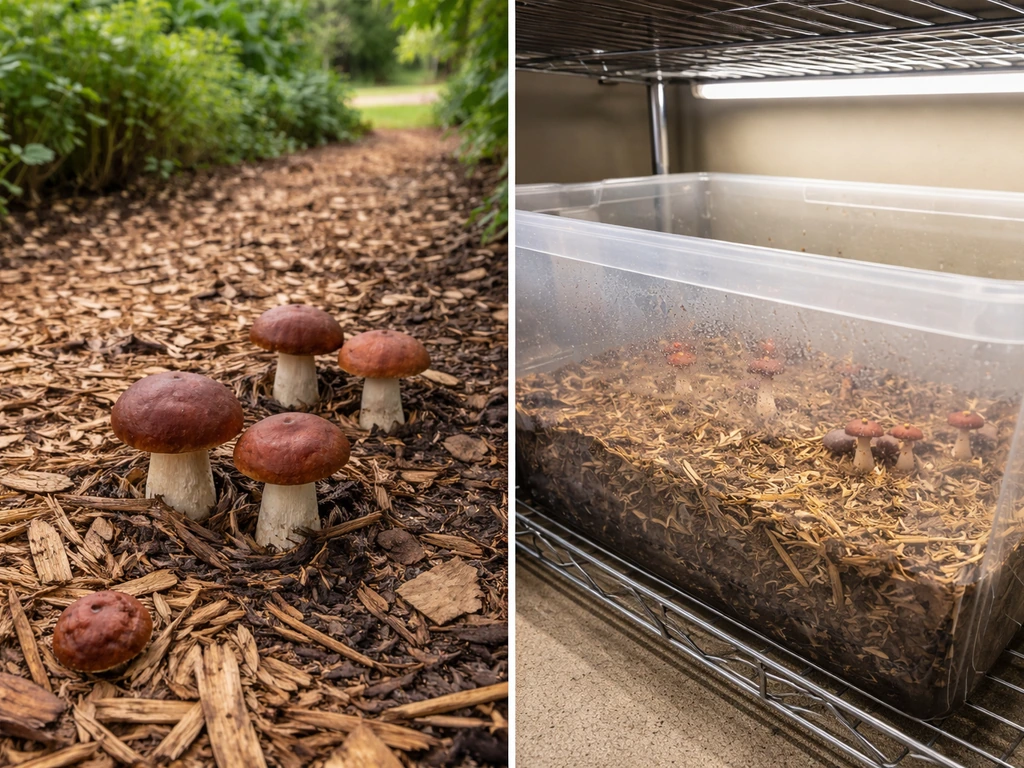
Indoors, timelines are more predictable but still land in that 2 to 4 month range. The wide window is real, and it comes down to a handful of controllable variables. If you meant magic mushrooms specifically, the timeline is very different from wine caps, so you will want the species-appropriate conditions and growth expectations how long does it take to grow magic mushrooms.
Typical Timeline from Inoculation to Harvest
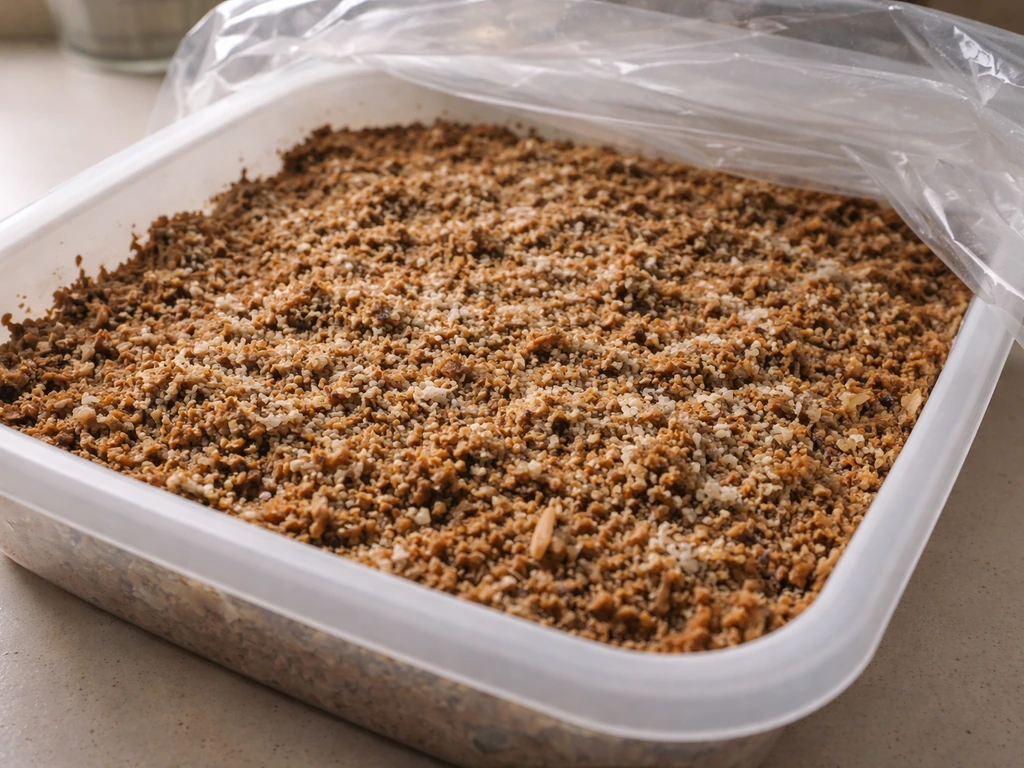
Here is what to realistically expect at each stage of a wine cap grow, whether you are working with an outdoor bed or a container indoors.
| Stage | Timeframe | What You Should See |
|---|---|---|
| Inoculation and bed setup | Day 1 | Spawn mixed into moistened substrate, bed covered |
| Early colonization | Weeks 1 to 3 | White mycelium threads beginning to spread through chips |
| Full colonization | Weeks 4 to 10 | Substrate heavily webbed with white or cream mycelium |
| Pinning (primordia formation) | Weeks 6 to 16 | Small reddish-brown pins emerging at bed surface |
| First harvest | Months 2 to 6 | Caps 2 to 4 inches across, veil still intact or just breaking |
| Subsequent flushes | Every 2 to 6 weeks after first flush | Repeat flushes through favorable seasons |
The colonization phase is the longest part and the one most growers underestimate. Wine caps need time to fully thread through the substrate before they will commit to fruiting. Rushing this stage by opening the bed too early, watering too aggressively, or skipping coverage is where most beginner timelines go sideways. Once you have strong colonization, pinning can happen quickly, sometimes within a week of the right weather trigger.
After your first flush, subsequent flushes follow every two to six weeks as long as temperatures stay in the fruiting window and the bed stays hydrated. A well-built outdoor bed can produce for two to four seasons before the substrate breaks down too far. Indoors, you get fewer flushes before the substrate exhausts.
Factors That Change How Fast Wine Caps Grow
Temperature is the biggest lever you have. ATTRA (NCAT) notes that the blank" rel="noopener noreferrer">ideal fruiting temperature range for wine cap (outdoor) is 55, 75°F (13, 24°C). Wine caps colonize across a wide range (roughly 41 to 95°F / 5 to 35°C), but fruiting body development is much more demanding, blank" rel="noopener noreferrer">optimal fruiting happens between 55 and 75°F (13 to 24°C), and things really slow down outside that range. If your bed sits above 80°F during summer or drops below 45°F heading into winter, expect fruiting to pause or stall entirely.
Moisture management is the second critical variable. Wine caps want a wet-then-drying cycle rather than constant saturation. Beds that stay waterlogged suppress gas exchange and invite contamination. Beds that dry out completely stall colonization dead. The sweet spot is substrate that feels like a wrung-out sponge, moist but not dripping.
Spawn rate matters more than most guides admit. Using spawn at just 5% of substrate volume will colonize eventually, but it leaves the bed vulnerable to competing molds and bacteria for a long time. Pushing toward 10 to 20% spawn coverage cuts colonization time noticeably and gives the mycelium a competitive advantage from the start.
- Temperature: fruiting stalls below 50°F or above 80°F; optimal range is 55 to 75°F (13 to 24°C)
- Moisture: substrate should be damp but not waterlogged; use wet-then-drying cycles to trigger fruiting
- Spawn rate: 10 to 20% spawn-to-substrate ratio colonizes faster and resists contamination better than 5%
- Substrate quality: hardwood chips, straw, or cereal residues all work; fresh chips with some nitrogen source speed things up
- Airflow: stagnant air raises CO2 and delays pinning; good circulation without direct drafts is ideal
- Light and cover: colonizing beds prefer shade; some indirect light is fine during fruiting but avoid direct sun beating on the bed
Outdoor vs Indoor Growing Timelines
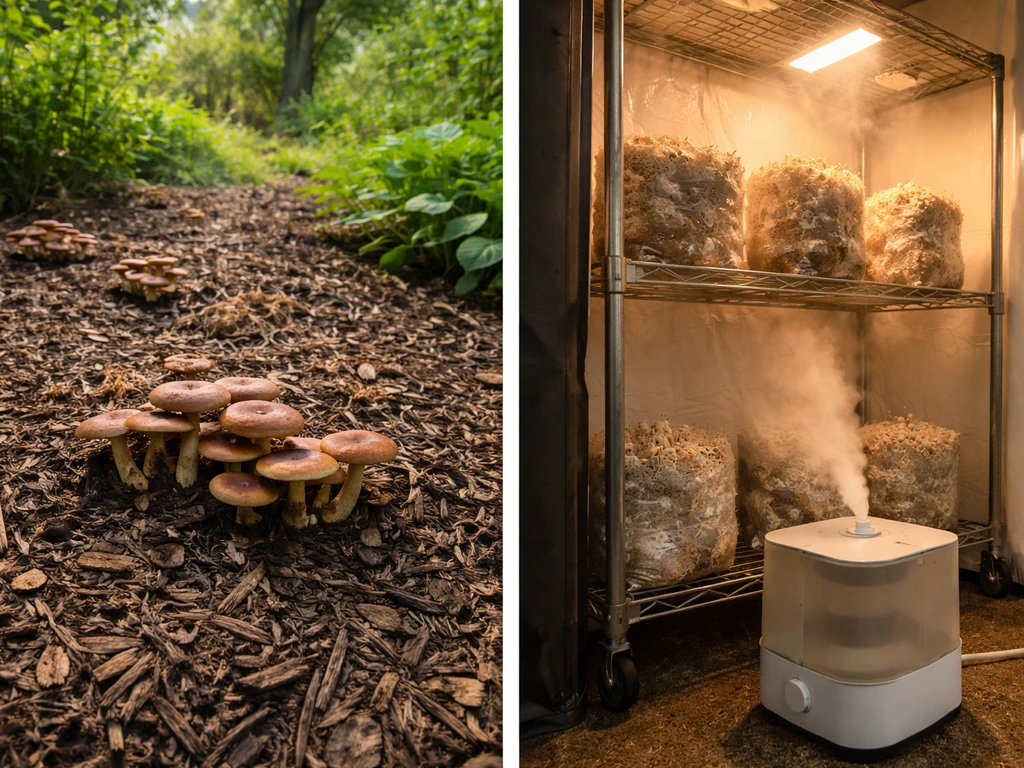
Outdoor beds are the natural habitat for wine caps, and honestly they are where this species thrives most consistently. The tradeoff is that you are entirely at the mercy of seasonal conditions. Beds inoculated in early spring will often fruit by late spring or early summer. Beds set up in fall may not produce until the following spring, since wine caps fruit most prolifically in spring and more rarely in autumn. If you inoculate in midsummer when temperatures spike, expect colonization to slow and the first flush to be pushed back.
Indoors, you gain control over temperature and humidity, which makes the timeline more predictable. Most indoor growers working with moistened wood chips in containers or grow tents see first harvest between 8 and 16 weeks when they hold temperatures in the 60 to 70°F range. The downside is that wine caps naturally want a lot of substrate volume and tend to produce fewer flushes per square foot indoors compared to a sprawling outdoor bed. They are not a plug-and-play indoor species the way oyster mushrooms are.
| Factor | Outdoor Bed | Indoor Container/Tent |
|---|---|---|
| Time to first harvest | 2 to 6 months (seasonal) | 8 to 16 weeks (more consistent) |
| Temperature control | None (season dependent) | Full control possible |
| Moisture control | Rainfall + manual watering | Manual watering only |
| Substrate volume | Large beds possible (10+ sq ft) | Limited by container size |
| Number of flushes | Multiple per season, for 2 to 4 years | Fewer flushes before substrate exhausts |
| Contamination risk | Lower in well-established beds | Higher without good air exchange |
| Best season | Spring and early summer | Year-round with climate control |
If you are comparing wine caps to something like shiitake mushrooms, which also have a multi-month colonization period, wine caps are actually a bit more forgiving outdoors because they do not require the cold-shocking and fruiting triggers that shiitake needs. But like turkey tail and other wood-lovers, they do best when the substrate is matched to their biology.
If you are asking specifically about turkey tail, the timing can differ because it is a different species with its own growth pace and moisture needs. If you want more detail specifically on turkey tail, focus on matching the substrate and moisture to turkey tail’s wood-loving needs. The biggest indoor mistake I see is growers using too small a container, wine caps want mass, not just depth.
Step-by-Step Setup That Speeds Up Growth
Getting your bed built correctly upfront is the biggest time-saver. A poorly layered or underprepared bed will colonize slowly and fruit unpredictably regardless of how well you manage it afterward. Here is how to set it up to hit the faster end of that 2 to 6 month range.
- Choose your site: outdoors, pick a spot with dappled shade and good drainage. Avoid spots that pool standing water after rain. Indoors, use a grow tent or large container with a lid you can crack for airflow.
- Source your substrate: fresh hardwood chips (oak, maple, alder) mixed with some straw or cereal residue are ideal. Chips should be partially composted or pasteurized if you want faster colonization and lower contamination risk. Avoid chips from softwoods like pine.
- Hydrate your substrate: soak or wet your chips until they reach the wrung-out-sponge stage — squeeze a handful and only a few drops should come out. This is the most skipped step and the most important one.
- Layer the bed: spread a 4 to 6 inch base layer of chips, distribute spawn evenly across the surface aiming for 10 to 20% spawn to substrate by volume, then cover with another 2 inch topping layer of chips.
- Cover the bed: outdoors, use a burlap cover, cardboard, or natural mulch to retain moisture and regulate temperature during colonization. Indoors, keep lids slightly cracked or use a humidity tent.
- Leave it alone for the first 4 to 6 weeks: check moisture every few days and mist if the top layer is drying out, but do not dig in or disturb the bed. Colonization is happening even when you cannot see it.
- Trigger fruiting: once you see strong white mycelium throughout the substrate, reduce watering slightly for a few days (the dry phase), then water thoroughly. This wet-dry cycling mimics natural rain events and triggers pinning.
- Maintain during fruiting: keep temperatures in the 55 to 75°F window, ensure good airflow without direct drafts, and water consistently to maintain substrate moisture.
How to Tell When They're Ready to Harvest
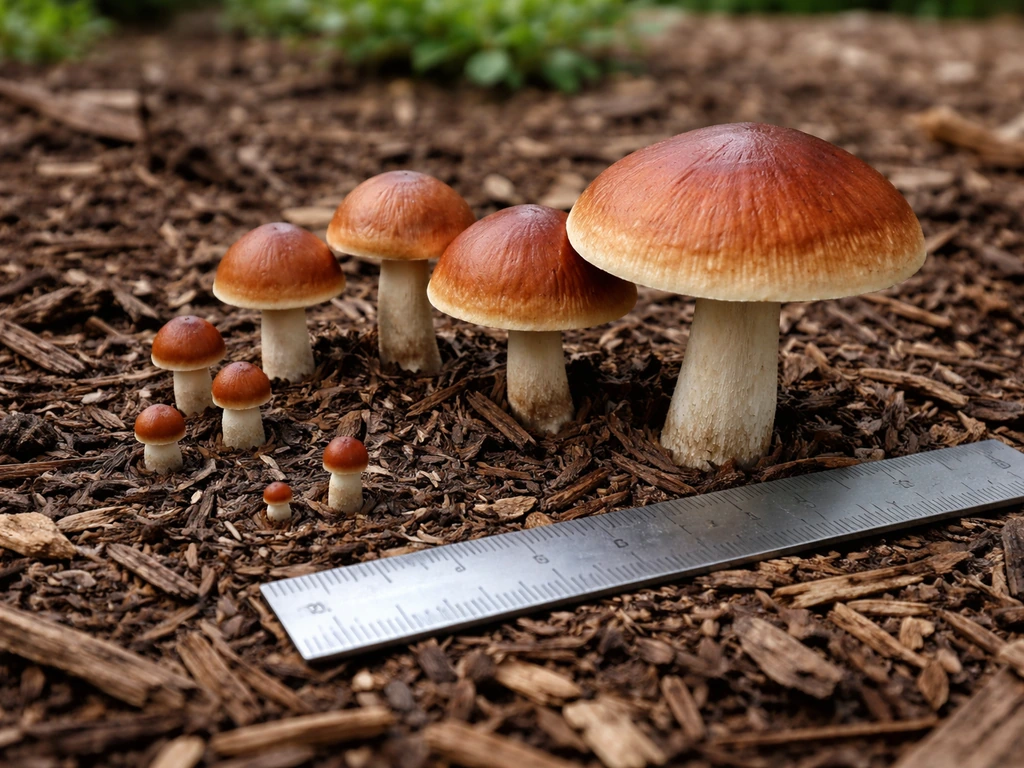
Wine caps give you a pretty clear visual window for harvest, but it is easy to miss if you are not checking the bed every day once pins appear. The mushrooms can go from pin to full size in 48 to 72 hours under warm, moist conditions.
The ideal harvest point is when the cap is fully expanded, typically 2 to 4 inches across, but the partial veil underneath the cap is still intact or just beginning to tear. At this stage the cap is firm, the gills underneath are still covered or just exposed, and the color is a rich reddish-brown to burgundy. This is when flavor and texture are best. Once the veil fully tears and the cap flattens out, the mushroom is past prime, edible but getting spongier and releasing spores heavily.
- Harvest when caps are 2 to 4 inches across and the partial veil beneath is intact or just starting to break
- Color should be deep reddish-brown to wine-red — hence the name
- Gills should be visible but not yet dark purple-gray (dark gills mean it is past peak)
- Stem should be firm and white when snapped — spongy or hollow stems mean the mushroom is overripe
- Twist and pull or cut at the base; do not yank the whole mycelium network
- Check beds daily once you see first pins — conditions can push them to full size in under 3 days
Common Delays and Troubleshooting Fixes
If your bed is past the 3 month mark with no sign of fruiting, something is off. Here are the most common reasons wine cap beds stall and what to do about each one.
| Problem | Signs | Fix |
|---|---|---|
| Substrate too dry | Chips are dusty or crunchy, mycelium is patchy or retreating | Water deeply and cover with burlap or cardboard to retain moisture; rehydrate before giving up |
| Substrate too wet | Sour or ammonia smell, green or black mold patches, waterlogged surface | Remove cover, allow to dry for a few days, improve drainage if outdoors |
| Temperature too high | Bed looks colonized but no pinning through summer | Add shade cover, wait for fall temperatures to drop into the 55 to 75°F range |
| Temperature too cold | No growth through late fall or winter | Insulate outdoor beds with straw mulch; wait for spring warmup |
| Insufficient spawn | Slow or patchy colonization, lots of competitor molds | Add more spawn in patches; scratch in fresh spawn at 10 to 20% rate |
| Poor substrate preparation | Green or black mold dominates early on | Use pasteurized or aged chips next time; avoid fresh green wood or softwoods |
| No fruiting trigger | Bed is fully colonized but not pinning | Simulate a rain event: water heavily, then let it dry slightly for 2 to 3 days, then water again |
| Contamination | Non-white mycelium colors (green, black, orange), foul smell | Remove contaminated sections, top-dress with fresh substrate, reduce excess moisture |
One thing I have learned from my own beds: if you are past four months with colonization but no fruiting, the wet-dry trigger cycle almost always gets things moving. I have had beds I nearly gave up on that started pinning within a week of a good rain event after a dry stretch. The mycelium was there, it just needed the right signal.
Wine caps are genuinely one of the more beginner-friendly outdoor species once you understand that patience during colonization is the main job. If you are starting from scratch, you can follow a simple setup checklist and focus on the right substrate, spawn, and moisture balance to get reliable results beginner-friendly outdoor species. You do not need sterile conditions, special equipment, or precise climate control to get a productive bed going.
Nail the moisture and temperature, use enough spawn, and give it time. Magic truffles follow a very different timing and setup than wine caps, so look for guidance specific to truffle-forming species before planning your grow. For psychedelic mushroom cultivation, the overall timeline is often longer and depends heavily on strain, starting culture, and your setup psychedelic mushrooms. Most beds reward you with a generous flush, and then keep coming back for years.
FAQ
Can I speed up wine cap mushroom growth if I start seeing nothing after inoculation?
Yes, but it depends on what stage you are at. If the bed is colonizing and stays moist, you can often continue watering normally, but if you open it early or keep the surface wet for weeks, you risk contamination and delayed pinning. If you are already seeing pins, mist lightly or water enough to re-wet the top layer, then stop short of puddling so the wet-dry trigger can do its job.
What should I do if my wine cap bed stalls, especially after it has been fully colonized?
For wine caps, the quickest “reset” is usually a controlled wet-dry cycle rather than more watering. After a dry stretch, give a deep soak until the substrate is evenly re-wet, then let the surface go back to damp (wrung-sponge feel) before repeating. Avoid soaking again if you see sour smells, slimy growth, or widespread fuzzy contaminants.
My bed has pins, but the mushrooms stay small. How do I fix that?
If you see pins but they do not expand, the issue is usually temperature or surface moisture, not “not enough spawn.” Aim for fruiting-range conditions and keep humidity up without leaving waterlogged spots. Also check that the bed is not too compact, because dense, poorly aerated substrate can slow expansion even when pins form.
Is it better to harvest wine caps early or wait until the caps fully expand?
It is best not to harvest too early. Picking when the cap is only partially expanded usually reduces yield per flush and can lead to premature spore release in the next wave. Wait until the cap is fully expanded (about 2 to 4 inches across) and the partial veil is still intact or just starting to tear, then harvest promptly.
Are overripe wine cap mushrooms still edible, and does it affect future flushes?
If the caps are flattening and the veil fully tears, the mushrooms are past prime. They are typically still edible, but they get spongier and can release spores heavily, which can change the bed’s future growth pattern and increase messy settling. If you want cleaner beds, harvest right as the veil begins to tear.
How do heat waves or sudden cold snaps affect how long wine caps take to grow?
Temperature swings can cause pauses even when the bed looks healthy. If afternoons are hot and nights are cooler, you may get uneven pinning. In practice, you can shade the outdoor bed during heat spikes and add mulch to buffer day-to-day swings, while still avoiding waterlogged conditions.
Why do wine caps fail to fruit reliably in small indoor containers?
Yes, and one of the easiest mistakes is underestimating how much mass wine caps need. Too-small containers often dry out too fast or overheat, leading to short-lived flushes. Use a larger volume than you think you need, and keep the surface moisture steady at damp but not dripping levels throughout the 8 to 16 week indoor window.
How can I mimic the outdoor rain trigger indoors to get my first flush?
If you have visible mycelium after colonization but no fruiting, do a targeted trigger attempt. Outdoors, a good rain event after a dry spell often works, because it recreates the wet-dry rhythm. Indoors, replicate that by re-wetting thoroughly, then holding steady at fruiting temps with humid air but good airflow until pins appear.
Does spawn percentage really change the timeline, or is it only about yield?
Good spawn coverage helps, but the practical limit is preventing contamination risk during the long colonization period. Using more spawn (for example, around 10 to 20% rather than minimal inoculation) usually shortens the time to strong colonization, which can improve odds of hitting the faster end of the 2 to 4 month window outdoors.
If I inoculate outside in different seasons, will my harvest date shift by the same amount every year?
Usually, timing is less about the exact inoculation date and more about when fruiting conditions arrive. Outdoor beds inoculated mid-winter may sit dormant until spring warmth and moisture cues kick in, so first harvest can shift by months even if colonization started earlier.