
Snow fungus is Tremella fuciformis, a white, gelatinous, jelly mushroom prized in East Asian cuisine and traditional medicine. Growing it at home is absolutely doable, but it has one unusual requirement that trips up most beginners: it can't grow alone. Tremella fuciformis is an obligate mycoparasite, meaning it needs a compatible host fungus present in the substrate to colonize and fruit. Once you understand that single biological fact and set up your grow accordingly, the rest of the process is straightforward and very rewarding.
How to Grow Snow Fungus at Home Step by Step Guide
Marcus Holloway
3 May 2026
What exactly is snow fungus?
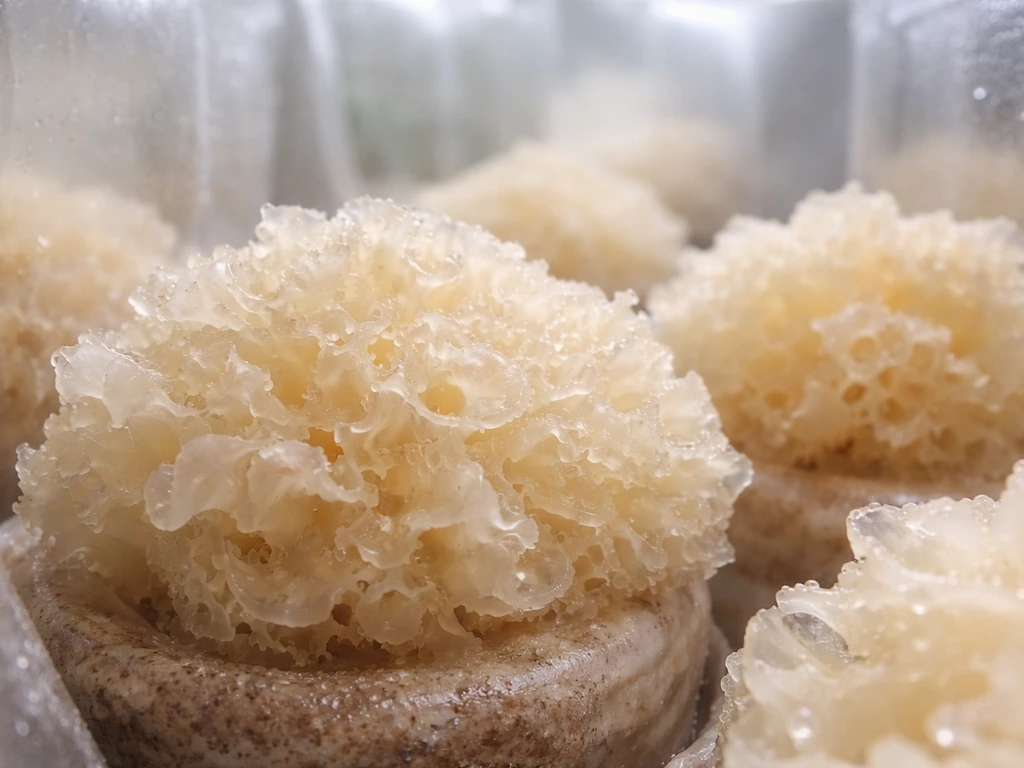
Tremella fuciformis goes by several names: snow fungus, snow ear, silver ear fungus, white jelly mushroom, and white cloud ears. The 'snow' in the name comes from the fruiting bodies themselves, which form frilly, translucent white clusters that look like small piles of fresh snow. They have a mild, slightly sweet flavor and a slippery, gel-like texture that's especially valued in soups, desserts, and teas. The polysaccharides in the fruiting body are the main draw for medicinal use, and they're remarkably heat-stable, which makes drying and rehydrating easy without losing much of the nutritional profile.
The parasite angle is worth spelling out. In nature, Tremella fuciformis grows on the mycelium of wood-decay fungi in the genus Hypoxylon or Annulohypoxylon. It's not parasitizing the wood directly; it's feeding on the mycelium of another fungus that's already colonizing the wood. In cultivation, the standard approach is to co-inoculate your substrate with both Tremella fuciformis and a compatible host species, most commonly Annulohypoxylon archeri (formerly called Hypoxylon archeri). Without the host present, your Tremella culture will stall. This is the single biggest reason home grows fail with this species.
A note on sibling species and search confusion: if you've been browsing guides and stumbled onto results about warped fungus or crimson fungus, those are Minecraft game items, not real cultivated species. This is why warped fungus and other look-alikes are a common source of confusion when people search for how to grow warped fungus. This guide covers the real, edible, cultivated Tremella fuciformis.
What you need before you start
Spores vs. liquid culture
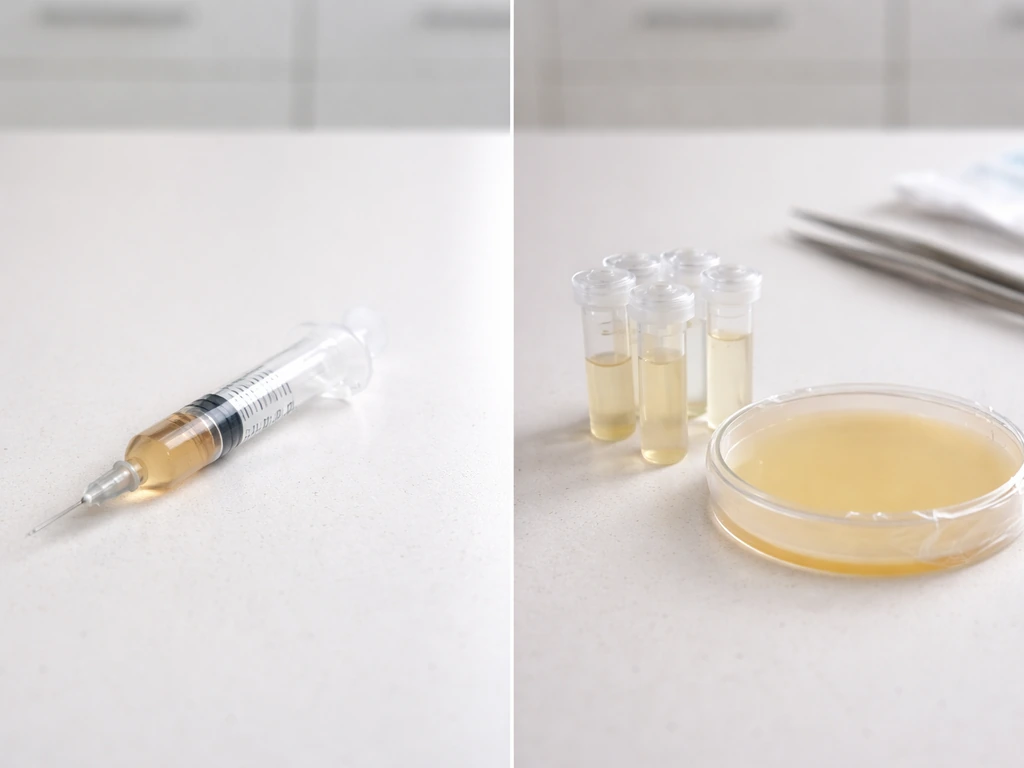
For Tremella fuciformis, skip spores if you're a beginner. Lab protocols for germinating spores use defined media with glucose, peptone, yeast extract, and buffered salts at around pH 7. That's not a home kitchen setup. Instead, start with liquid culture (LC), which is active, living mycelium suspended in a nutrient solution. Several specialty suppliers sell Tremella fuciformis liquid culture syringes alongside Annulohypoxylon archeri culture, and you'll want to order both at the same time. Using fresh LC stock rather than doing multiple serial transfers keeps your cultures vigorous and reduces the risk of degradation before you even get to the substrate.
Gear checklist
- Pressure cooker (15 PSI capable, large enough for your substrate bags)
- Polypropylene filter-patch grow bags or wide-mouth quart mason jars
- Liquid culture syringes: Tremella fuciformis AND Annulohypoxylon archeri
- Scalpel or sterile inoculation needles
- 70% isopropyl alcohol and a still-air box or flow hood
- Thermometer and hygrometer
- Spray bottle for misting
- Digital timer for FAE (fresh air exchange)
Materials and substrate ingredients
Tremella fuciformis grows on hardwood sawdust-based substrates, not grain. In practice, how do toadstools grow will depend on their species, but most require a suitable host or substrate, steady moisture, and the right temperature range to develop. A reliable home recipe, based on published cultivation research, is: 80% fine hardwood sawdust, 18% organic wheat bran, 1% cane sugar, and 1% gypsum. A more detailed research formulation uses roughly 75g sawdust, 20g wheat bran, 2g gypsum, about 1.3g glucose, 1g soybean meal, a pinch of magnesium sulfate and urea, then water to a moisture content of 70 to 80%. For a home grow, the simpler 80/18/1/1 ratio works well and the ingredients are easy to source. The target substrate moisture is 70 to 80%, which means when you squeeze a handful it barely releases a drop or two of water.
Preparing your substrate
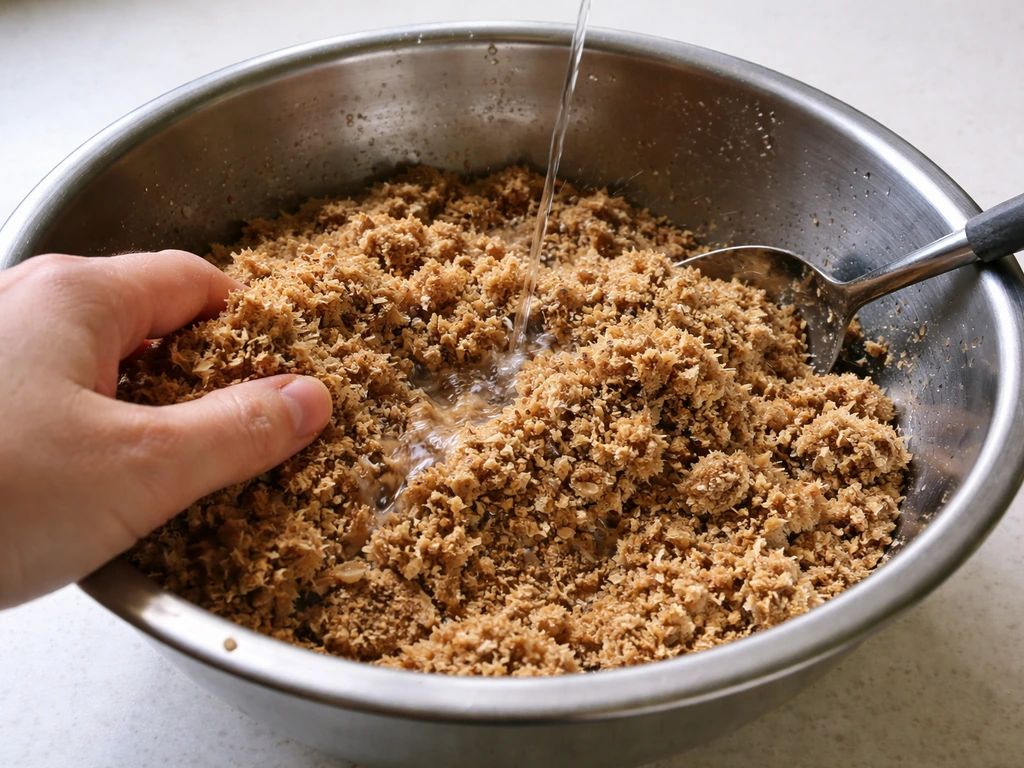
Mix your dry ingredients thoroughly before adding water. Add water gradually until you hit that 70 to 80% moisture target. The substrate should clump when squeezed and feel damp throughout but not waterlogged. Pack the mix into polypropylene grow bags, leaving some headspace at the top. Wipe down the outside of the bags, fold and secure the tops, and load them into your pressure cooker.
Sterilize at 15 PSI for 2.5 to 3 hours. This is not optional and can't be replaced with pasteurization for a wood/bran substrate like this. The bran content and nutrient density make it extremely attractive to contaminants, and if you skip full sterilization you'll almost certainly get green or black mold before Tremella gets a foothold. Let bags cool to room temperature completely before inoculating, ideally overnight. Inoculating into warm substrate is one of the most common beginner mistakes.
Inoculation and colonization
Step-by-step inoculation
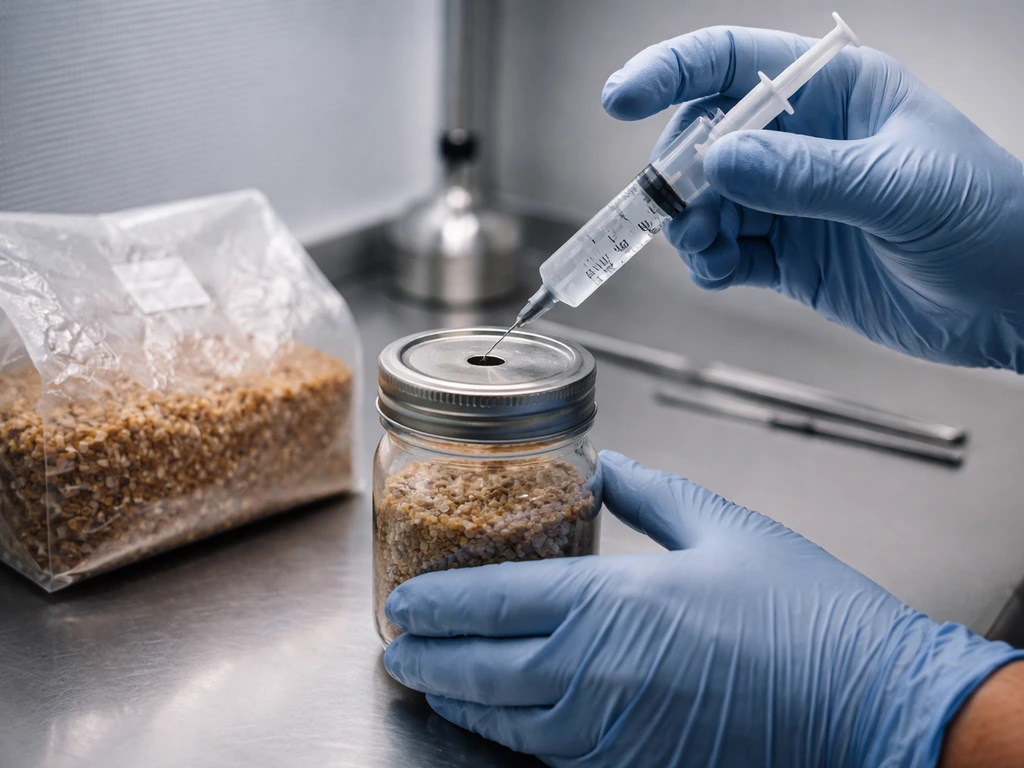
- Wipe down your work area, hands, and all equipment with 70% isopropyl alcohol. Work in a still-air box or in front of a flow hood if you have one.
- Shake your Annulohypoxylon archeri LC syringe well, then inject 3 to 5 mL into the cooled bag through the filter patch or self-healing injection port.
- Shake your Tremella fuciformis LC syringe, then inject 3 to 5 mL into the same bag.
- Seal or fold the bag securely. Label it with the date and culture names.
- Place in a clean incubation area at 23 to 25°C, out of direct light.
The host fungus, Annulohypoxylon archeri, will colonize first and lay the groundwork for Tremella to parasitize and spread. You may see signs of culture activity within 2 to 3 days, but full colonization of a bag typically takes 3 to 6 weeks depending on temperature and culture vigor. The mycelium of the host is typically white to off-white and somewhat ropy or dense. Tremella mycelium is much finer and can be harder to see until the bag is well colonized. Don't panic if the bag looks slow at first.
Keep the bags sealed with minimal disturbance during this stage. The incubation temperature sweet spot is 23 to 25°C. Avoid temperature swings. Check bags daily for contamination (green, black, or pink patches are bad signs) but otherwise leave them alone.
Setting up for fruiting
Once the substrate looks fully colonized, it's time to shift conditions to trigger fruiting. This is where Tremella diverges from most beginner-friendly species like oysters. You actually lower both temperature and humidity compared to incubation, and you increase fresh air exchange. Counterintuitive, but that's what triggers the fruiting response.
| Parameter | Colonization Stage | Fruiting Stage |
|---|---|---|
| Temperature | 23–25°C | 15–20°C |
| Relative Humidity | 70–80% | 70–80% |
| Fresh Air Exchange | Minimal (bag sealed) | Increased (open perforations or FAE) |
| Light | Not required | Indirect, ambient (~12 hrs) |
| Duration | 3–6 weeks | 2–6 weeks to harvest |
One important humidity warning: do not push humidity above 90%. Research specifically notes that very high air humidity (above 90%) actually hinders new mycelial formation and can stall your fruiting. The 70 to 80% range is the productive window. Mist the walls of your fruiting chamber, not directly onto the substrate, once or twice daily to maintain this range without waterlogging the surface.
For FAE, perforating or partially opening your grow bag is usually enough. If you're fruiting in a tent or chamber, run a small fan on a timer for short bursts (5 to 10 minutes every couple of hours) to keep CO2 from building up. Tremella responds well to gentle air movement but doesn't need a hurricane. Indirect natural light or a basic LED on a 12-hour cycle is sufficient; this isn't a species that needs strong light stimulation.
Harvesting, drying, and storage
When to harvest
Harvest snow fungus when the fruiting bodies are fully expanded, frilly, and have a bright white to pale ivory color. The clusters should feel firm-gelatinous and spring back slightly when touched. Don't wait until they start yellowing or getting slimy at the edges. Cut or gently twist the cluster off at the base. A healthy bag can produce multiple flushes; after harvest, clean the surface of the substrate, mist lightly, and return it to fruiting conditions.
Drying for culinary and medicinal use
Fresh snow fungus can be used immediately in soups and desserts, but for storage, drying is the standard approach. Rinse the harvested clusters gently under cool water first. A multi-stage drying approach works best for preserving the polysaccharide structure. Start at a lower temperature around 35°C for the first few hours to drive off surface moisture without damaging the gel matrix, then step up to around 45 to 55°C until the moisture content drops below 16%. A food dehydrator with adjustable temperature works well for this. Oven drying on the lowest setting with the door slightly cracked is a workable alternative, though less controlled. Air drying in a warm room with good airflow can also work but takes longer and leaves more risk of mold during the drying process.
Storage
Store dried snow fungus in sealed, airtight containers in a cool, dark place. Light degrades the polysaccharides over time, so avoid clear containers on a sunny shelf. A glass jar in a cupboard or pantry is ideal. Properly dried and stored, snow fungus keeps well for 6 to 12 months with minimal quality loss. For longer-term storage or extract preparations, keep it away from heat and moisture above all else.
When things go wrong: troubleshooting common problems
No visible growth after 2 weeks
First, check your temperature. If the incubation space is below 20°C or above 28°C, growth will be slow or stalled. Second, question your culture viability. Old or degraded LC syringes are a frequent culprit. Tremella in particular suffers from multiple serial transfers; if your culture has been sitting unused for months or came from a vendor with poor storage practices, it may be weak. Order fresh stock and restart.
Contamination (green, black, or pink mold)
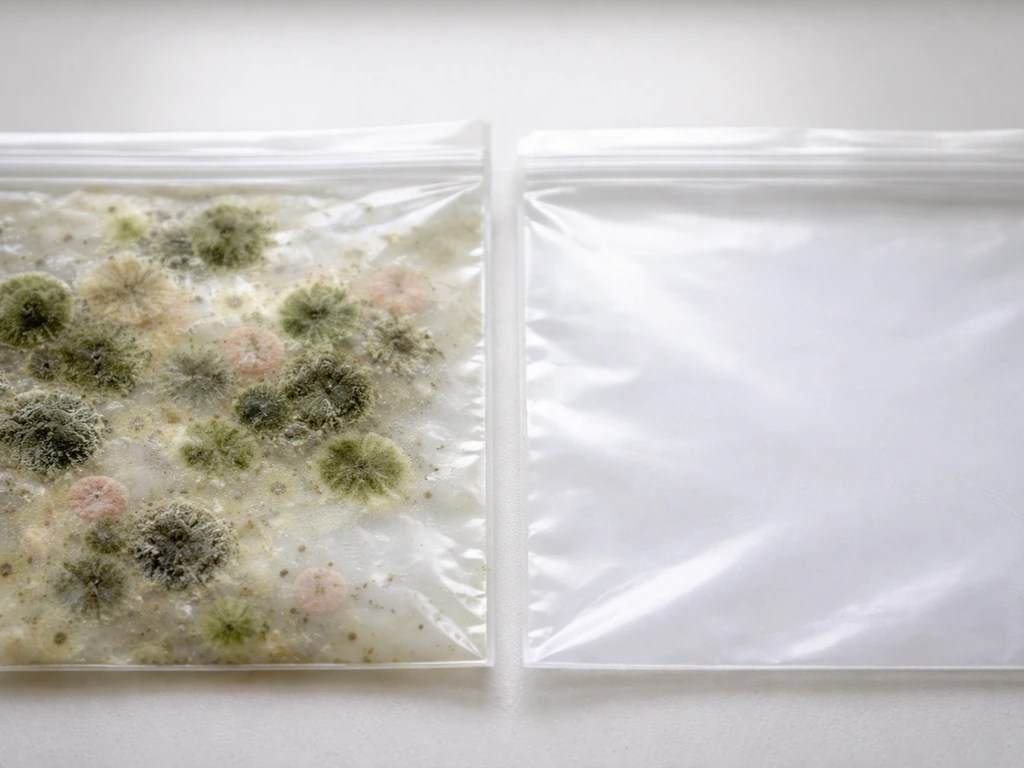
This almost always traces back to one of three sources: inadequate sterilization, inoculating into bags that were still warm, or poor aseptic technique during inoculation. If you see green or black patches on your substrate, that bag is done. Seal it in a plastic bag before removing it from your grow space to avoid spreading spores. Review your sterilization time and pressure, let bags cool overnight before inoculating, and clean your workspace more aggressively before the next run. A contamination rate of one or two bags out of ten is acceptable; if you're losing most bags, something systematic is wrong.
Colonization stalls partway through
If growth seems to stop after spreading partway through the bag, check that both cultures (Tremella and the host Annulohypoxylon) were inoculated. Missing the host inoculation is the number-one cause of partial or stalled colonization with this species. If you're certain both were used, check for micro-contamination or temperature inconsistency. Sometimes gently massaging and redistributing the colonized portion through the bag (with clean, gloved hands through the outside of the bag) can help restart sluggish growth.
Fully colonized but won't fruit
The most common cause is skipping or insufficiently applying the fruiting trigger: you need a genuine temperature drop to 15 to 20°C and increased fresh air exchange. If you want better results, follow the proven steps for how to grow red mushrooms by matching temperature, humidity, and fresh air exchange to the species you’re cultivating fruiting trigger. Learning how to grow fungi like snow fungus comes down to getting the host-parasite setup and the sterilization and fruiting conditions right. If your room is warmer, find a cooler spot in the house (a basement or north-facing room often works), or consider fruiting in cooler months. Also check that humidity isn't too high; if you've been misting heavily and the surface stays visibly wet, ease off and improve ventilation.
Fruiting bodies turning yellow or slimy
Yellowing usually means you waited too long to harvest or the temperature crept too high during fruiting. Sliminess with a bad smell means bacterial contamination, almost always from too much moisture with insufficient airflow. Harvest any clean-looking portions immediately, increase FAE, and reduce misting frequency. If the whole cluster is affected, remove it and let the substrate surface dry out a little before attempting another flush.
Poor yields or thin, small fruiting bodies
Small or sparse fruiting bodies usually mean the substrate nutrition is too low, humidity is outside the 70 to 80% range, or your culture went through too many transfers before inoculation and lost vigor. For the next run, increase the bran percentage slightly (up to 20%), double-check your humidity setup with a calibrated hygrometer, and source the freshest possible LC stock.
Safety and species verification
If you're growing from verified liquid culture purchased from a reputable supplier, species misidentification isn't a concern. Where it becomes relevant is if you're foraging wild specimens to cook or experimenting with cultures from unknown sources. In the wild, Tremella fuciformis is fairly distinctive, but other gelatinous white fungi exist, so always confirm identification before consuming any foraged specimen. For home-cultivated product, stick to cultures sourced from established mushroom suppliers with clear species labeling. Growing from verified spawn is the safest starting point, full stop. If you are comparing yields and growing setups, you can also look at how to grow toadstools as an adjacent foraging and cultivation consideration.
FAQ
Can I grow snow fungus without a host fungus if I only have Tremella liquid culture?
In most home setups, no. Tremella fuciformis relies on a compatible host fungus to colonize the substrate and then provide the mycelium it parasitizes. If you only inoculate Tremella, it commonly stalls or produces little to no fruiting even if the substrate is otherwise sterile.
What happens if my substrate is a bit too wet or too dry?
If it is too wet (hand-squeezed substrate releases more than a couple drops), contamination risk rises and fruiting can turn slimy. If it is too dry, the host struggles to fully colonize and Tremella may stay sparse. Aim for 70 to 80% moisture, clumps on squeeze, damp throughout, not waterlogged.
Do I have to keep the grow bags sealed during incubation, or can I open them to check progress?
Keep them sealed with minimal disturbance. Opening them repeatedly increases contamination risk, and drafts or extra fresh air can change how quickly the cultures establish. Visual checks should be done without breaking containment, and if you need to intervene, do it carefully with strict cleanliness.
How do I tell the difference between host growth and Tremella growth inside the bag?
Host mycelium is usually easier to spot first, appearing white to off-white and denser or slightly ropy. Tremella growth is finer and may be subtle until later stages when the bag is largely colonized. Early “not seeing much” is common, but you should still see clear overall colonization by the 3 to 6 week window.
My bag is colonized, but it never fruits. What should I check first?
Start with the fruiting trigger: you need a real temperature drop into the 15 to 20°C zone and increased fresh air exchange. Also verify humidity control, because staying above about 90% humidity can inhibit new formation. Finally, confirm you are misting chamber walls (not soaking the substrate) and running gentle, periodic air exchange.
Can I fruit Tremella at the same temperature I incubate at?
Usually no. Incubation and fruiting conditions are different, and fruiting commonly fails if you do not shift both temperature and fresh air exchange. Incubate warm to establish the cultures, then move to cooler temperatures with moderate humidity and stronger CO2 removal.
How do I avoid over-misting and bacterial slime during fruiting?
Keep misting targeted to the chamber walls, only enough to hold humidity in the 70 to 80% window. If surfaces stay visibly wet, reduce mist frequency and increase fresh air bursts. When slime appears with odor, treat it as likely bacterial contamination and harvest only any unaffected portions.
Is light required for snow fungus to fruit?
Light is not a primary driver like it can be for some mushrooms. Indirect natural light or a basic LED on a 12-hour cycle is typically sufficient. The bigger levers are humidity in range, fresh air exchange, and the cooler fruiting temperature.
Should I use a hygrometer, and where should I measure humidity?
A calibrated hygrometer helps a lot, especially because high humidity can stall fruiting. Measure humidity in the fruiting chamber atmosphere (where the fruiting bodies are), not directly on the substrate surface where local wetness can be much higher due to misting.
How long can I store harvested snow fungus before cooking or drying?
Fresh snow fungus is best used soon after harvest for best texture. If you are not drying immediately, keep it chilled and avoid soaking it repeatedly. For longer storage, dry promptly using the multi-stage approach (low temperature start, then finish higher) to preserve the polysaccharide structure.
Why does my dried snow fungus look fine but rehydrated texture is poor?
This often comes from drying too hot too fast early, or drying past the intended end point. Starting around 35°C for the first few hours helps drive off surface moisture without damaging the gel matrix. Finish around 45 to 55°C until moisture is below about 16%, then store airtight away from light and heat.
What sterilization mistakes most often cause contamination?
The big ones are skipping full pressure sterilization (or using insufficient time/pressure), inoculating into warm bags, and weak aseptic technique. For green or black patches, discard the bag and seal it before removing to reduce spore spread in your workspace.
My growth stops halfway through the bag, what does that usually mean?
Most commonly, the host culture was not actually present (missing host inoculation) or temperatures were inconsistent during colonization. If both cultures were inoculated, check incubation temperature stability and consider gentle redistribution only if you can maintain very strict cleanliness and minimize disturbance.
Can I re-use the same grow bag for another round after harvesting?
You can often get multiple flushes, but success depends on keeping the substrate clean at the surface and returning it to fruiting conditions immediately after harvest. If you see contamination or persistent slime from earlier flushes, it may be better to start fresh for the next run.
What is the safest approach if I want to compare yields between different setups?
Change only one variable at a time, such as bran percentage within the suggested range, humidity target method (mister timing and fan schedule), or the fresh air exchange interval. Keep the same liquid culture age, sterilization cycle, and substrate moisture level so you can tell whether differences are caused by the change or by culture vigor.
Is it okay to forage gelatinous white fungi as a shortcut if I cannot source cultures?
Not as a substitute. Foraging has a significant misidentification risk because multiple gelatinous white species can look similar. If you are producing food or medicinal material, use verified Tremella cultures with clear species labeling, and avoid consuming unknown wild specimens.