
Growing matsutake mushrooms at home is genuinely one of the hardest things you can attempt in mushroom cultivation. They are ectomycorrhizal fungi, which means they live in a tightly bonded partnership with the roots of specific host trees, primarily pines. You cannot grow them on a bag of sawdust or a straw log the way you would oysters or shiitake.
How to Grow Matsutake Mushrooms: Outdoor and Indoor Guide
Marcus Holloway
5 May 2026
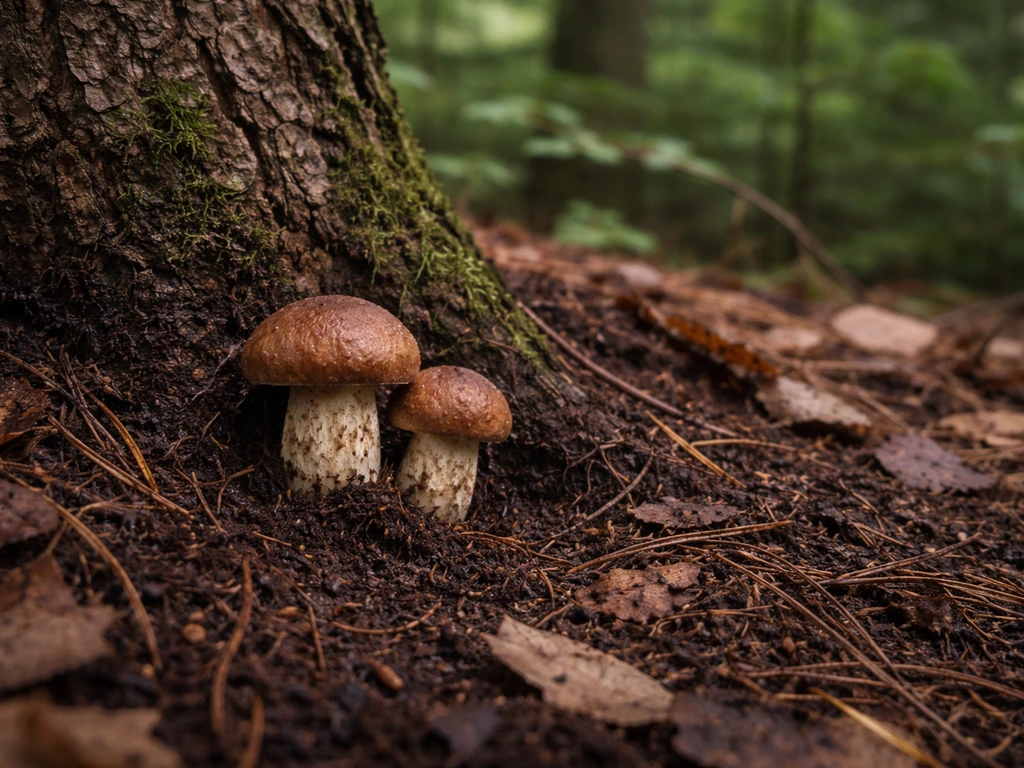
The most realistic path for a home grower is an outdoor setup with suitable pine trees, a multi-year commitment, and a lot of patience. Indoor cultivation is possible only in a very limited, experimental sense and has never produced reliable fruiting outside of research settings. That said, there are concrete steps you can take starting today, and plenty of growers are actively working toward established outdoor colonies. Here is everything you need to know to give yourself a real shot.
What matsutake actually needs to grow
Matsutake (Tricholoma matsutake) is native to forests across Japan, Korea, China, Scandinavia, and the Pacific Northwest of North America. In the wild it grows almost exclusively in older, low-nutrient pine forests with well-drained, sandy or gravelly, slightly acidic soil. Field habitat studies report acidic matsutake soils in Japan with pH values around 4.5 to 5.0 slightly acidic soil. Understanding what it needs is the foundation of any cultivation attempt.
The tree symbiosis (this is the big one)
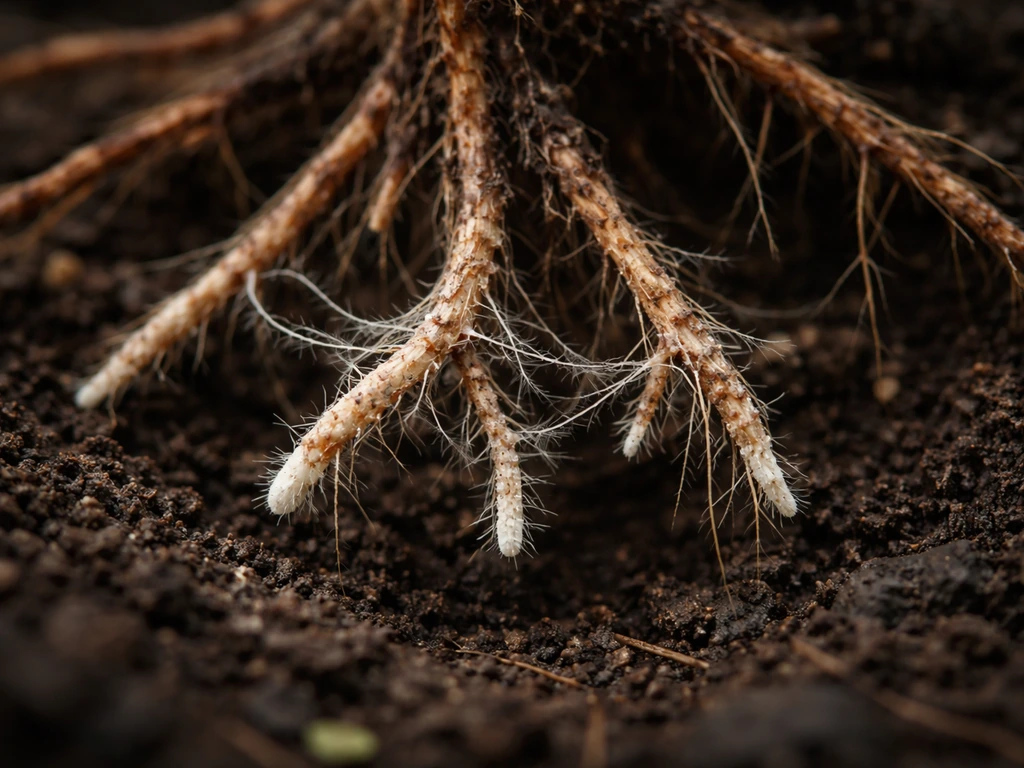
Matsutake forms ectomycorrhizal relationships with its host trees. The fungal mycelium wraps around and penetrates the fine root tips of the host, forming structures called Hartig nets, and the two organisms exchange nutrients.
The fungus gets sugars from the tree; the tree gets water and minerals from the fungus. Without a living host tree, matsutake mycelium will not fruit, and it will not even establish robustly. Research on the Y1 strain of T. matsutake confirmed successful ectomycorrhizal formation with several Pinaceae species including Pinus sylvestris, Pinus koraiensis, Pinus parviflora var.
pentaphylla, Picea glehnii, Picea abies, and Tsuga diversifolia. Importantly, no development occurred on Quercus serrata (oak), so species selection matters significantly. Red pine (Pinus densiflora) is the most historically associated host in Japan and Korea. Scots pine and other two-needle pines are your best bets in North America and Europe.
Climate and temperature
Matsutake prefers cool temperate conditions. Mycelium growth in culture happens between roughly 5°C and 25°C (41°F to 77°F), with an optimal range around 20°C to 22°C (68°F to 72°F). Fruiting, however, requires a pronounced temperature drop in autumn, typically when soil temperatures fall to around 10°C to 15°C (50°F to 59°F) after a warmer growing season. High summer heat above 30°C (86°F) at root level is generally inhibitory. This means climates with genuine cool autumns and cold winters are much better suited than warm or tropical zones.
Soil conditions
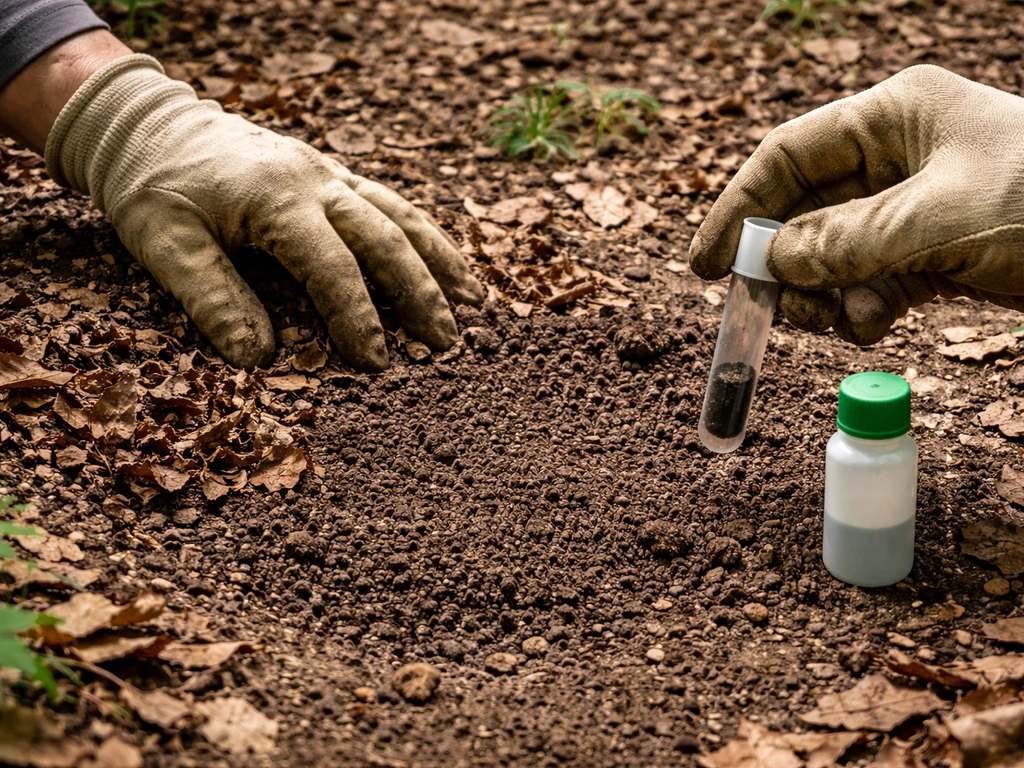
Matsutake thrives in nutrient-poor, well-drained, acidic soil with a pH around 4.5 to 5.5. It actually does better when organic matter and competing microorganisms are low. Healthy, lush garden soil full of compost is counterproductive. The fungus forms characteristic underground mycelial aggregates called shiro, which spread outward from the host tree roots over years, and this shiro formation is the key intermediate step between establishment and fruiting. Shiro can take many years to develop to a size capable of producing mushrooms.
Honest talk about feasibility: what you can and can't do at home
I want to be straight with you here, because too many guides skip this part. Matsutake has never been reliably cultivated to fruiting on a commercial or consistent home scale anywhere in the world. This is not a solvable problem yet in the way that shiitake or reishi cultivation is solvable. Researchers have achieved ectomycorrhizal formation in laboratory settings and documented shiro development in experimental plots, but reliable, repeatable fruiting outside natural forest ecosystems remains elusive.
Contrast this with something like growing shiitake mushrooms from plugs, where you inoculate a log and get mushrooms within 6 to 18 months with fairly predictable results. If you are specifically looking for how to grow crimini mushrooms, the approach is much more straightforward because they do not require a tree symbiosis like matsutake.
That said, outdoor cultivation on your own property with appropriate host trees is the most scientifically grounded approach available to home growers right now. It is a long game, often 5 to 15 years before any fruiting, but it is not futile. Indoor cultivation is genuinely experimental. You can attempt to establish mycelium on pine seedling roots in containers, but fruiting indoors has not been reproducibly achieved and should be treated as a research project rather than a food-production strategy.
| Approach | Feasibility | Timeline to fruit | Best for |
|---|---|---|---|
| Outdoor with established pines | Most realistic | 5–15+ years | Property owners with pine trees or space to plant them |
| Outdoor plot with planted seedlings | Challenging but grounded in science | 10–20+ years | Long-term growers with suitable climate |
| Indoor container with pine seedlings | Experimental, no reliable fruiting record | Unknown | Research-minded growers, not food production |
| Indoor on substrate without trees | Not viable | N/A | Not recommended |
Sourcing matsutake: spores, spawn, and what to watch for
Getting your hands on legitimate matsutake starting material is one of the first real hurdles. Here is what your options look like.
Spores
Matsutake spore prints can be collected from fresh, wild-harvested fruiting bodies. If you have access to fresh matsutake (from a farmers market, specialty grocery, or foraged with permission on public or private land), make a spore print on aluminum foil or glass, allow it to dry, and store it in a sealed container in the fridge. Spores can also be suspended in sterile distilled water for use as a liquid inoculant. Be aware that germination rates are typically low and variable, and germinating matsutake spores in vitro requires nutrient-poor, highly specific agar media, such as modified Melin-Norkrans (MMN) agar, which is different from standard PDA used for most edible mushrooms.
Mycelial cultures and spawn
A small number of specialty labs and mushroom culture suppliers offer matsutake mycelium on agar slants or liquid culture. These are far more practical than starting from spores because you are working with established, viable mycelium. When buying, verify that the supplier is reputable and that the culture has been properly identified. Matsutake mycelium grows extremely slowly (this is normal), so do not confuse slow growth with a failed culture. Grain spawn or sawdust spawn made with matsutake is rarely available commercially because the mycelium is difficult to propagate without a host, but some experimental suppliers are beginning to offer inoculated pine seedlings, which is arguably the best starting point you can buy.
Legal and ethical considerations
Foraging matsutake on public lands is regulated in many areas, and in some regions the species is protected due to declining wild populations. Always check local regulations before collecting spore prints or specimens from the wild. Importing live plant material (such as inoculated pine seedlings) across international borders typically requires phytosanitary certification and may be prohibited, so source domestically when possible. Ethically, wild matsutake populations are under pressure globally from habitat loss and overharvesting, so responsible sourcing from cultivated or legally harvested material is the right call.
Outdoor cultivation: the most practical approach
If you have outdoor space and you are in a suitable climate (think USDA zones 4 through 7, or equivalent cool temperate zones), this is where your energy should go. The goal is to establish a living, mycorrhizal relationship between matsutake mycelium and the roots of a suitable pine host, then maintain conditions that allow the shiro to develop over years until fruiting becomes possible.
Choosing and establishing host trees
Red pine (Pinus densiflora), Scots pine (Pinus sylvestris), Japanese white pine (Pinus parviflora), and Korean pine (Pinus koraiensis) are all confirmed hosts based on research data. If you are in the Pacific Northwest, look at the native host there, which is primarily shore pine or lodgepole pine. Plant young trees (1 to 3 year old seedlings) in a site with good drainage, full or partial sun, and poor, sandy or gravelly, acidic soil. Avoid amending the soil with compost or fertilizer. If your native soil is heavy clay, raised mounds or beds with mixed sand and native forest soil will work better. Spacing trees 3 to 5 meters apart gives roots room to develop.
Preparing the planting site
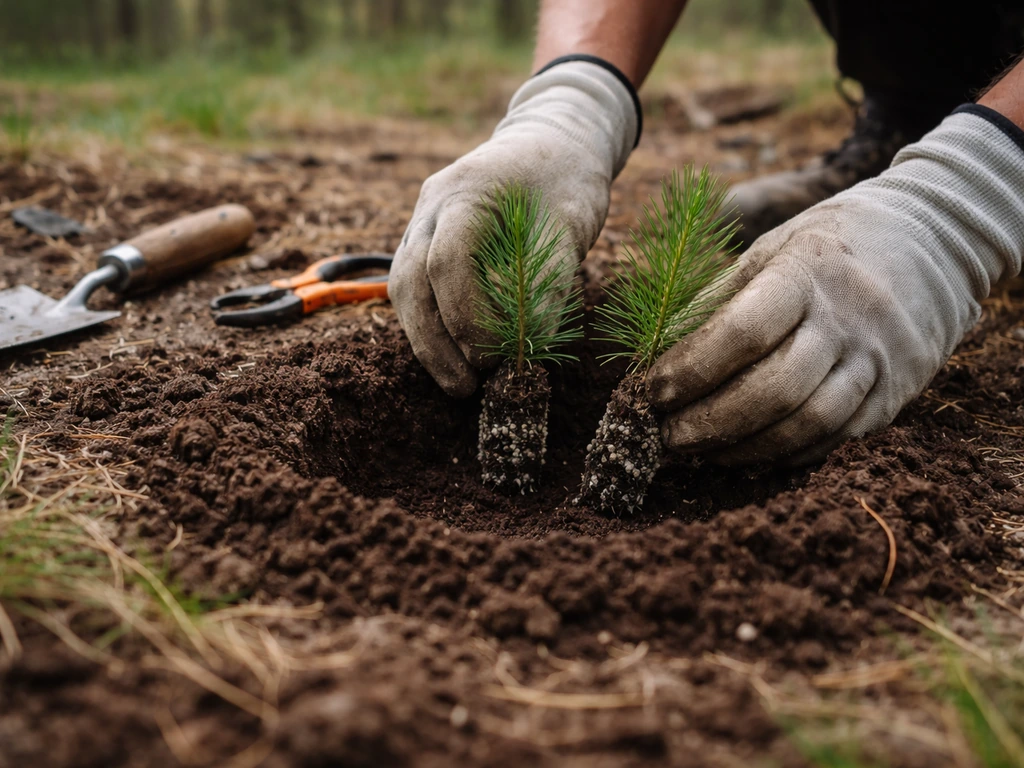
Remove grass, weeds, and thick organic mulch from the area around where you will plant. Matsutake does not compete well with aggressive vegetation or rich organic decomposers. A light layer of pine needle duff is fine and actually beneficial, mimicking natural forest floor conditions. Aim for soil pH between 4.5 and 5.5. If your soil is too alkaline, elemental sulfur worked lightly into the top few centimeters will acidify it over a growing season. Do not use peat moss excessively as it can retain too much moisture.
Inoculation methods
You have two main inoculation approaches. The first and best option is to start with pre-inoculated pine seedlings from a supplier who has already established the mycorrhizal relationship on the seedling roots in a nursery setting. Transplant these carefully, minimizing root disturbance, and water them in with sterile water (no chlorinated tap water). The second option is to inoculate at the time of planting using a liquid culture syringe of matsutake mycelium.
Apply the liquid culture directly into the root zone at the depth of active fine roots, typically 5 to 15 centimeters deep. Some growers also apply a slurry made from fresh matsutake mushroom tissue blended with sterile water, poured around the drip line of newly planted seedlings. This is less reliable than pure culture but can work if you have access to fresh, high-quality fruiting bodies.
Ongoing site management
Keep the site free of competing weeds and grasses. Water during dry periods to keep root zone moisture consistent, but avoid waterlogging since matsutake roots are sensitive to anaerobic conditions. Do not fertilize the trees with nitrogen-rich fertilizers; this encourages tree growth at the expense of mycorrhizal association. A thin layer of pine needle mulch renewed annually is ideal. Avoid disturbing the soil around the trees by digging or heavy foot traffic, especially as the shiro begins to develop in later years.
Indoor cultivation: what is actually possible
I will be honest: indoor matsutake cultivation is in the realm of experimental hobby science, not reliable food production. But it is not pointless, and if you are curious and methodical, it is worth exploring alongside an outdoor project.
Container setup with pine seedlings
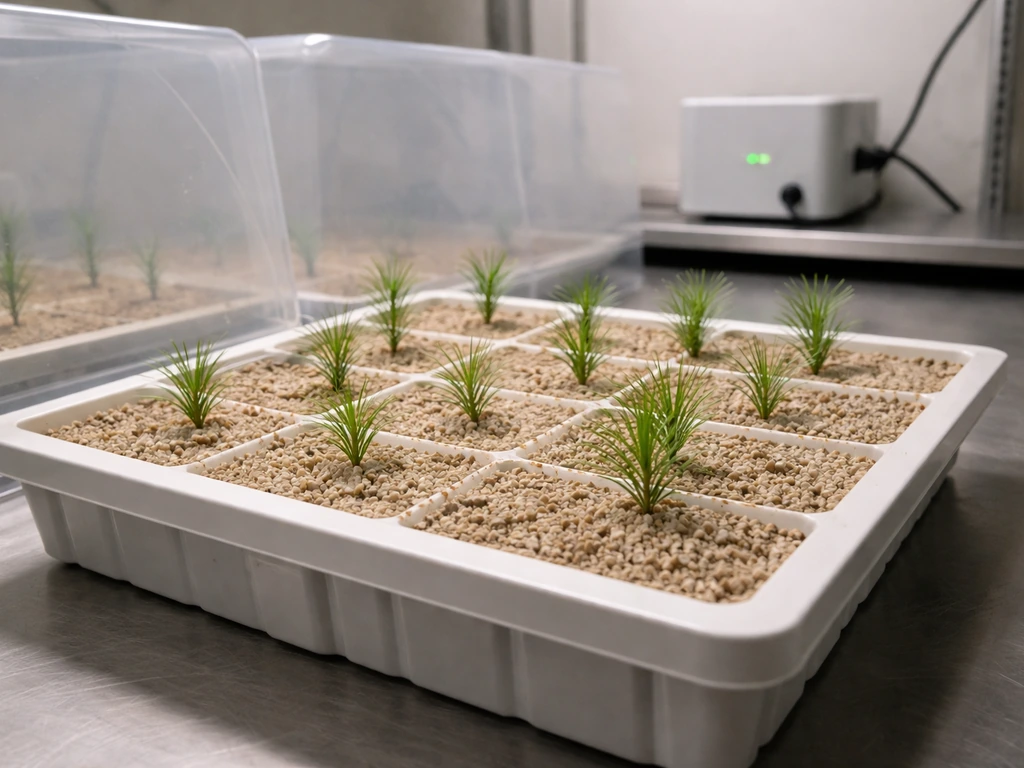
The most promising indoor approach mirrors what research labs do: grow pine seedlings in sterile or near-sterile substrate and inoculate their roots with matsutake mycelium. Use deep containers (at least 30 cm deep) filled with a mix of sterilized coarse sand, fine vermiculite, and a small amount of native forest soil or perlite (roughly 60% sand, 30% vermiculite, 10% forest soil). This keeps nutrient levels low while providing drainage and some biological context. Plant pine seedlings, then carefully inject liquid matsutake culture into the root zone at a rate of about 5 to 10 mL per seedling using a sterile syringe.
Environmental controls indoors
Keep daytime temperatures around 20°C to 22°C (68°F to 72°F) during the growing season simulation. To attempt fruiting, you would need to replicate a seasonal temperature drop to 10°C to 15°C (50°F to 59°F) for several weeks in autumn, which typically means moving containers to a cool basement, garage, or using a wine cooler or mini-fridge with adequate ventilation. Humidity around the containers should be 70% to 85%. Air exchange is important since CO2 buildup inhibits mycelial health; a small fan on a timer cycling fresh air through the space a few times per day is sufficient. Lighting for the trees matters (they are photosynthesizing plants), so use grow lights on a 12 to 16 hour cycle.
What to expect indoors
In the best case, you will see the pine seedling roots develop a white fuzzy coating over 6 to 18 months, which indicates mycorrhizal colonization. Fruiting indoors has not been reliably documented in home settings and may simply not occur without years of shiro development. Treat this as a long-term observation project and a way to develop mycorrhizal seedlings you can eventually transplant outdoors to accelerate your outdoor setup.
Step-by-step workflow from setup to harvest
- Choose your site or container setup, confirm soil pH is 4.5 to 5.5, and adjust if necessary using elemental sulfur. Clear competing vegetation.
- Source your starting material: obtain matsutake mycelium on agar or liquid culture from a reputable supplier, or collect a fresh spore print from a verified specimen. Alternatively, source pre-inoculated pine seedlings.
- Select and plant appropriate host tree seedlings (red pine, Scots pine, or other confirmed hosts). For outdoor planting, space trees 3 to 5 meters apart. For indoor containers, one seedling per deep container.
- Inoculate the root zone within 1 to 2 weeks of planting, before roots harden. Apply liquid culture or mycelium slurry at 5 to 15 cm depth around the active root zone. Use sterile, unchlorinated water throughout.
- For the first 1 to 2 years, focus on tree establishment: water regularly during dry periods, keep the site clear of competing plants, and do not disturb the soil. Monitor for signs of mycorrhizal colonization on roots (look for white sheathing on root tips when you carefully examine the uppermost roots).
- From year 2 onward, maintain low-nutrient, well-drained conditions and begin adding a thin pine needle duff layer annually. In autumn, reduce watering slightly to simulate seasonal stress, which may encourage shiro development.
- In cool temperate climates, fruiting may begin after 5 to 15 years of shiro development. Signs of imminent fruiting include the characteristic white ring or fairy ring pattern in the forest duff around your trees. Harvest matsutake when the veil beneath the cap is still intact or just beginning to open, twisting gently to remove without disturbing the shiro below.
- After any harvest, replace the duff layer gently, avoid compacting soil, and continue annual maintenance. The shiro typically expands outward each year and can produce for decades with proper care.
Troubleshooting common failure points
No colonization visible after inoculation
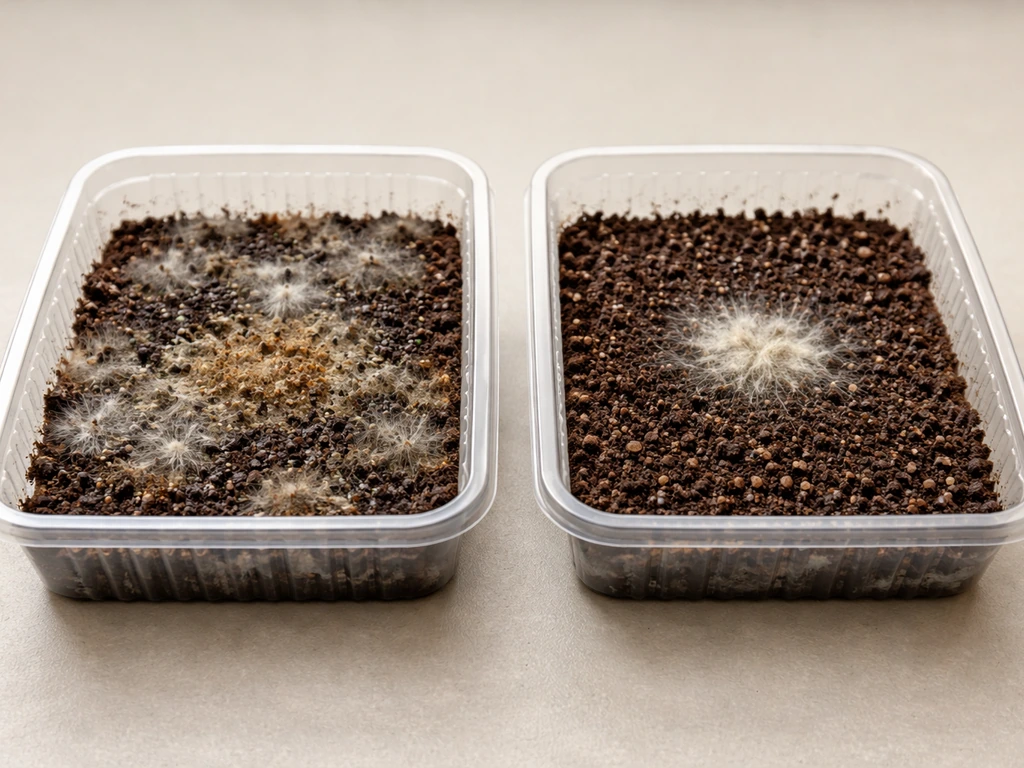
This is the most common early failure. Matsutake mycelium grows very slowly even under ideal conditions, and contamination from other soil fungi and bacteria is fierce. If you see no signs of mycorrhizal growth on roots after 12 to 18 months, suspect either a failed culture (test your liquid culture on agar before use), soil that is too nutrient-rich (competing microbes outcompete matsutake), pH that is too high (above 6.0), or waterlogged conditions killing fine roots. Fix by removing competing organic matter, re-acidifying, and re-inoculating with fresh culture.
Contamination
Unlike saprophytic mushrooms grown in controlled sterile substrates, outdoor matsutake cultivation cannot be fully sterilized and is inherently competing with the native microbial community. The strategy is not elimination but suppression of competitors by maintaining low-nutrient, acidic, well-drained conditions that favor matsutake over other species. Indoors, use sterilized substrate and sterile technique during inoculation to give matsutake the best head start possible.
Poor colonization despite correct setup
If your trees are healthy but colonization seems weak, consider whether your inoculant was viable. Matsutake mycelium has a very slow growth rate (sometimes only a few millimeters per week on agar), and cultures can look inactive even when alive. Always confirm culture viability before use. Also consider whether you used the wrong pine species: oaks and broadleaf trees will not support matsutake regardless of how well everything else is managed.
Colonization confirmed but no fruiting after many years
This is the hardest problem to solve because it is often simply a matter of time. Shiro must reach a critical size, typically several meters in diameter, before fruiting becomes likely. Contributing factors include trees that are still too young (older, more established trees seem to support fruiting better), summers that are too hot or too dry, autumns that do not cool sufficiently, or soil that has become too rich over time from accumulated organic matter. Strip back any thick duff buildup, ensure sharp seasonal temperature contrast, and consider whether your climate genuinely supports fall temperatures in the 10°C to 15°C range at soil level.
Wrong temperature ranges during mycelium growth
Temperatures above 25°C (77°F) for extended periods will significantly slow or stop matsutake mycelium growth and can kill cultures. In hotter climates, protecting the root zone with reflective mulch or shade cloth during summer can help moderate soil temperatures. Indoors, a temperature-controlled space is almost mandatory for reliable mycelial health.
Is it worth trying compared to other specialty mushrooms?
Matsutake cultivation is in a different league of difficulty compared to almost anything else you might grow. If you are newer to mushroom cultivation and want a rewarding specialty species, reishi on logs or nameko are much more achievable in a similar outdoor-log or substrate setup, with fruiting timelines measured in months rather than years. Shiitake from plugs is perhaps the most beginner-friendly outdoor option and will give you reliable results.
If you are looking for an easier specialty alternative to matsutake, this guide on how to grow shimeji mushrooms walks through the steps for producing shimeji at home. Matsutake is worth pursuing if you have the land, the right climate, suitable pine trees, and a long-term mindset. Think of it as planting an orchard, not starting a vegetable garden.
The growers who seem most likely to eventually succeed are those who start their outdoor plots now, commit to consistent low-intervention site management, and track observations over years. If you are doing this, document everything: root condition when you spot-check, soil pH annually, any changes in duff layer, and seasonal temperature patterns. That data will tell you what to adjust and give you the best possible chance of seeing matsutake fruit on your own land someday.
FAQ
Can I grow matsutake without planting pine trees, for example by inoculating existing trees or using “mushroom substrate”?
Yes, but not in a way that resembles typical “grow a block” mushroom kits. For matsutake, the inoculation target is the living fine root tips of a suitable pine, so a practical workaround is using pre-inoculated pine seedlings or liquid culture injected directly into the active root zone of newly planted seedlings. If you already have wild pines on your property, you may be able to inoculate only if you can access fine roots without major soil disturbance, and you still should expect years before shiro are large enough to fruit.
How much pine needle duff should I use, and can too much mulch prevent fruiting?
Pine needle duff helps, but thick thatch-like layers can backfire by trapping moisture and creating a richer, more competitive micro-environment. Aim for a thin, consistent layer that resembles natural forest floor cover, and remove excess buildup if it accumulates faster than you can renew or if the soil stays consistently wet after rains. Also avoid digging, since late-stage shiro are easily disrupted and may delay fruiting.
What’s the best way to manage soil pH over time, and how often should I test it?
Watch pH at least once per year in the same season (often late winter or early spring before the main growing push) because pH can drift with rainfall and organic matter changes. If your pH reads above your target range, elemental sulfur may lower pH gradually, but the effect depends on soil texture and moisture, so you should avoid overcorrecting. Re-test after application to confirm you did not swing pH too low, and keep compost and fertilizer additions out of the plot.
Should I fertilize the pine trees to help matsutake, or keep the site nutrient-poor?
Avoid fertilizing because added nitrogen tends to increase tree growth and shifts the balance away from a stable ectomycorrhizal relationship. A common mistake is using general lawn or garden amendments thinking “more tree growth equals better mushrooms.” If you need to control weeds, use low-disturbance methods, and keep the site as low-input as possible to preserve the nutrient-poor conditions matsutake prefers.
My roots look unchanged for months, how do I tell if it’s normal slow growth or an actual failure?
Slow, thin, or patchy root colonization does not always mean failure, because matsutake growth can be gradual and cultures can appear inactive. A better decision aid is to verify culture viability before inoculating (for example, by testing on appropriate agar) and to confirm you used the correct pine species. If after 12 to 18 months you see no meaningful mycorrhizal coating, then reassess culture age/viability, pH, and whether the area became too organic or waterlogged.
What are signs that I’m watering too much or creating anaerobic conditions, and what should I change?
Watering needs to maintain moisture without creating low-oxygen conditions. If the site stays saturated, especially in heavy soils, fine roots can suffer even when trees look generally healthy. If you see pooling, add drainage solutions like mounded planting or coarse amendments to improve airflow, while still keeping the nutrient level low. As an extra check, observe after rain, if the ground dries quickly at the root zone, that is usually a better sign than consistently wet soil.
Are there legal or permit issues I should think about beyond simply foraging?
In many regions, the legal and ethical constraints are not limited to foraging mushrooms. Even handling spores, buying inoculated plant material, and transplanting pine seedlings across borders can trigger permits or phytosanitary requirements. A practical step is to contact your local agricultural department or equivalent authority before attempting interstate or international sourcing, and to rely on legally obtained, domestically sourced inoculum whenever possible.
Should I focus on indoor fruiting, or is indoor cultivation mainly for preparing seedlings?
Indoor setups can still be useful, but the biggest mistake is treating a container experiment like a guaranteed fruiting project. The realistic indoor milestone is often stable mycorrhizal colonization on pine seedling roots, not mushrooms in the short term. If your primary goal is fruit, prioritize outdoor establishment and treat indoor work as a “seedling acceleration” method, where you later transplant colonized seedlings outdoors to continue shiro development.
If I have multiple pine species nearby, can I mix hosts, or do I need a specific pine species for best results?
Yes, but soil chemistry and microbial competition matter more than the exact “pine” category. Matsutake does not use broadleaf trees, and inoculated seedlings must match a compatible pine host species. If you are unsure of your native host availability, choose species already supported in your region’s pine types, and avoid mixing in non-host trees that might dilute or alter the local microbial ecology around your plot.