
You can grow porcini at home, but not the way you'd grow oyster mushrooms or portobellos. Porcini (Boletus edulis) are mycorrhizal fungi, meaning they live in a permanent, mutually dependent partnership with a living tree's root system. There's no bag of grain spawn you can inoculate and fruit on your kitchen counter. The realistic path is this: inoculate a compatible tree seedling, establish that mycorrhizal relationship outdoors over one to several years, and then wait for the right climatic conditions to trigger fruiting. It's a long game, but it works, and people do get porcini from their own land.
How to Grow Porcini Mushrooms: At Home Step-by-Step
Marcus Holloway
29 Apr 2026
Can you actually grow porcini at home? (And what does success look like?)
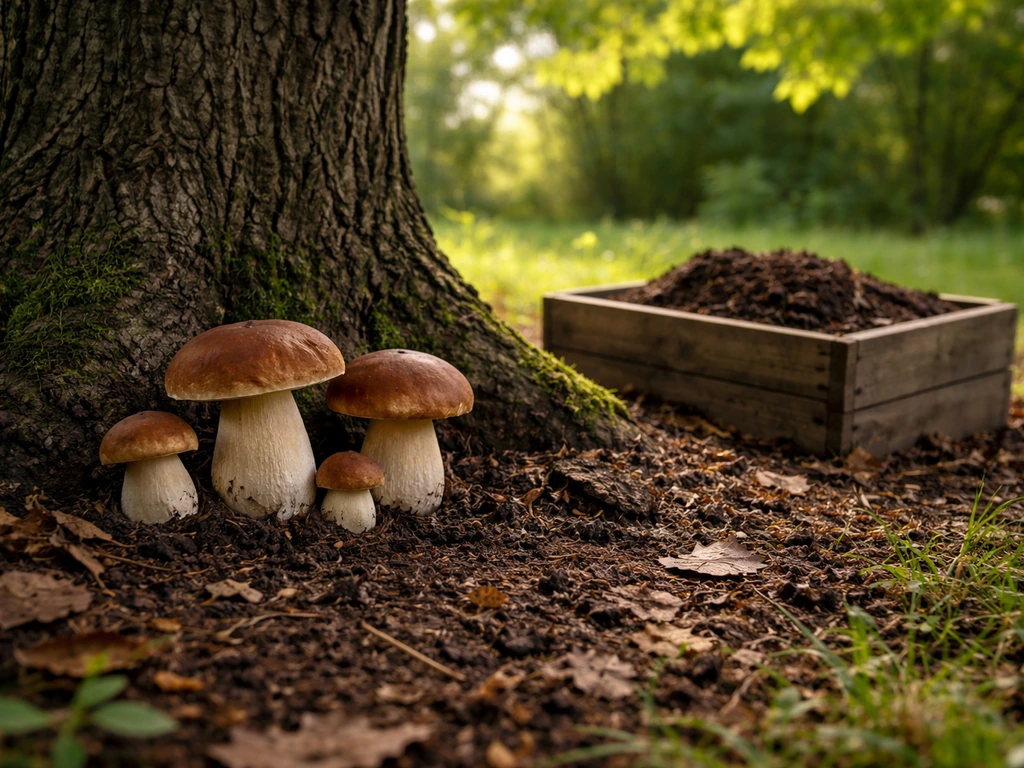
Yes, but let's be clear about what 'success' means here. You're not going to harvest porcini three months after buying some spawn. The mycorrhizal relationship between Boletus edulis and its host tree needs months to establish properly, and fruiting bodies typically don't appear until that partnership has matured, often across multiple seasons. Successful home growers describe it more like planting a fruit tree than growing a crop: you invest upfront, tend the conditions, and eventually the system produces.
Realistic success looks like this: a well-rooted, porcini-inoculated tree seedling planted in your garden or a large container, with the mycelium visibly colonizing the root tips (a pale, dense mantle you can see under magnification), surviving through at least one or two winters, and then fruiting during a cool, moist autumn. Some growers see first pins in year two or three. Others wait five years. A few never get fruiting bodies despite healthy root colonization, usually because the climate conditions at fruit-set time weren't right. That's the honest picture.
Quick note if you landed here looking for portobello growing advice: portobellos are saprophytic, which means they do grow on sterilized substrate indoors, and the methods are completely different. Porcini require a living host. If you want an indoor fruiting mushroom project, portobellos, oysters, or pioppino mushrooms are far more beginner-friendly. If pioppino sounds more like what you want, you can use a different beginner-friendly approach that does not rely on the same obligate mycorrhizal tree pairing as porcini pioppino mushrooms. But if porcini is your goal, keep reading.
Why porcini are different: the mycorrhizal relationship explained
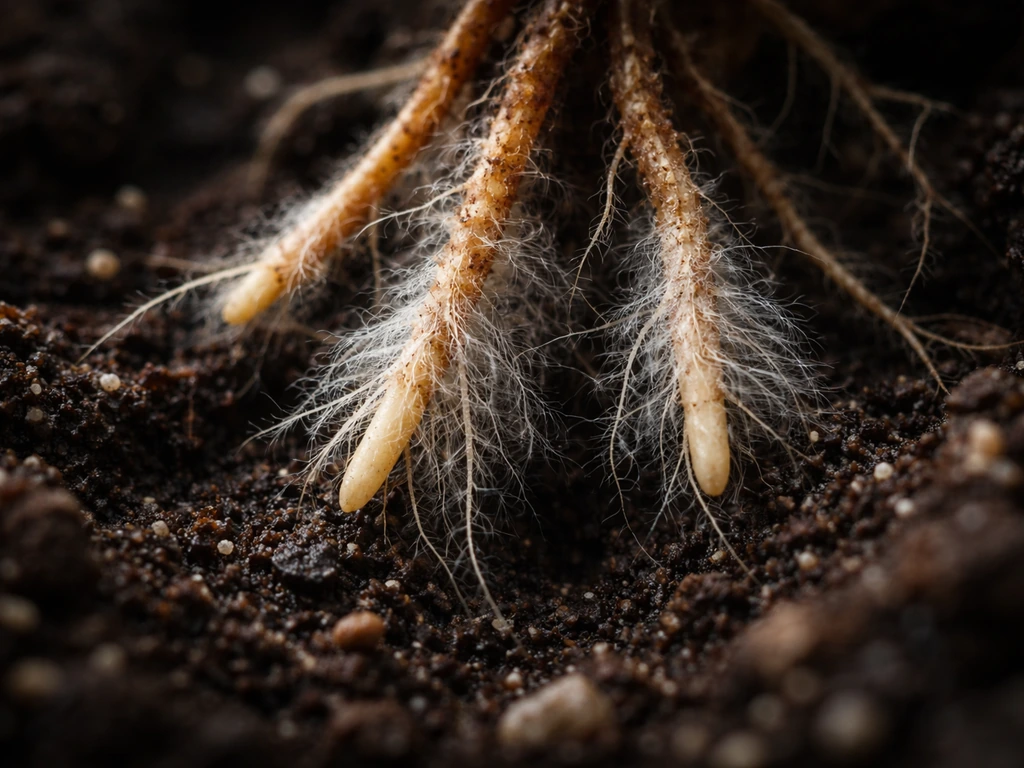
Boletus edulis is an ectomycorrhizal (ECM) fungus. That means its mycelium physically wraps around and penetrates the outer cells of a tree's fine root tips, forming structures called mantles and Hartig nets. The fungus gives the tree access to water and nutrients from the soil; the tree feeds the fungus sugars it can't produce on its own. Neither can survive, long term, without the other. This is why growing porcini on a bag of sterilized sawdust or grain is impossible, those substrates have no living root system, so the fungus starves.
In laboratory conditions, researchers have managed to get well-formed mantles and Hartig nets established on seedling roots in about five months under controlled nursery settings. That's the fastest, most optimized timeline in a controlled environment. In a home garden, expect the establishment phase to take longer, and expect that other soil fungi will compete with your inoculant. One of the main reasons ECM mushroom cultivation fails is that native soil fungi out-compete the introduced species before it can dominate the root tips. Contamination from competing ECM fungi is listed in the research literature as a primary obstacle alongside the host-dependency issue itself.
Boletus edulis has a fairly wide host range, which is one thing in your favor. Compatible hosts include pines (Pinus spp.), spruce (Picea), hemlock (Tsuga), fir (Abies), and hardwoods like chestnut (Castanea), beech (Fagus), and oak (Quercus). That range spans Fagaceae, Pinaceae, and Betulaceae, so you have real options depending on what you can grow or already have on your property.
What about growing porcini indoors?
The honest answer is that growing porcini fully indoors is not practically achievable for home growers right now. You'd need a living tree seedling, a controlled environment to prevent ECM contamination, and then extended acclimatization before the system could even attempt fruiting. Research groups have done this in nursery settings, but even then, getting fruiting bodies after outplanting mycorrhizal seedlings into field conditions has rarely been reported with consistent success.
The closest indoor-adjacent approach is starting your inoculated seedling in a large container, indoors or in a greenhouse, for the nursery/establishment phase, and then moving it outside. Many growers start seedlings indoors during winter to control early colonization conditions, then transition the pot outside once the mycorrhiza is established. That's the most practical indoor element of the process. Full indoor fruiting, meaning a porcini popping up in your living room, isn't happening with today's home cultivation methods.
Step-by-step: how to grow porcini at home
Step 1: Choose your host tree
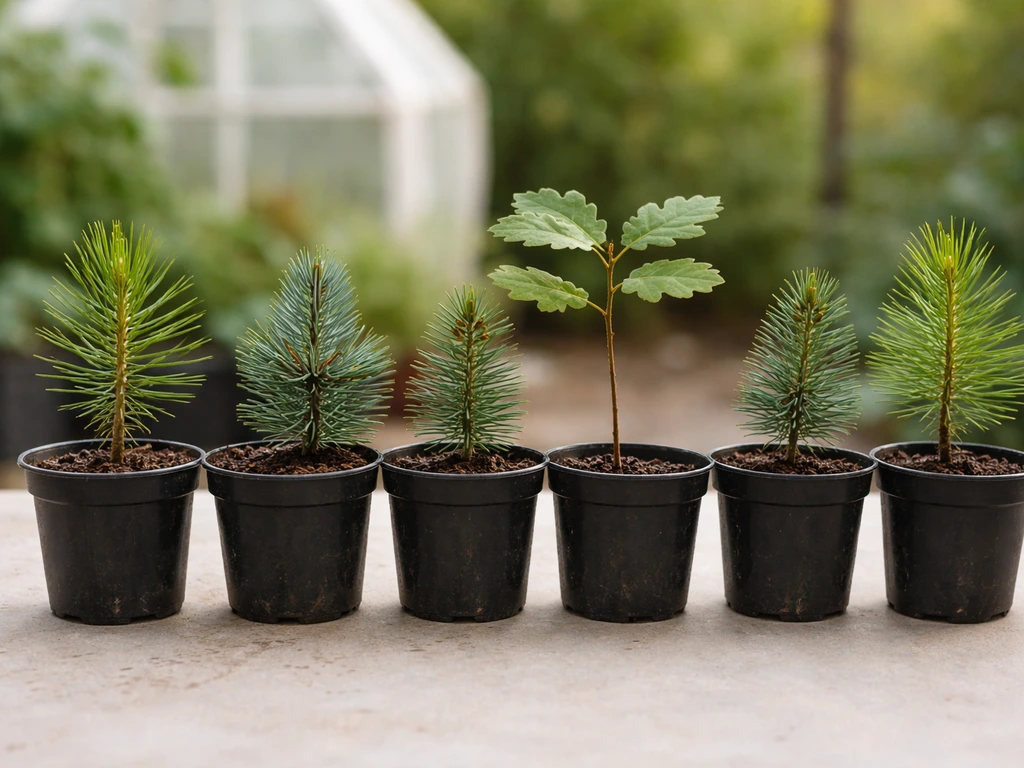
Pick a host that suits your climate and space. For temperate gardens, pine (Pinus sylvestris or Pinus strobus), spruce, or oak are all solid choices. If you're in a warmer zone, chestnut or beech work well. You want a young seedling, ideally 1-2 years old, because the fine root tips on young trees are most receptive to colonization. Older trees can be inoculated but success rates drop because their root systems are more established and harder to access, plus native soil fungi have already colonized the roots.
Step 2: Source your inoculant
You have two main options: buy a pre-inoculated seedling from a reputable supplier, or buy a spore suspension/mycelial inoculant and inoculate a clean seedling yourself. Pre-inoculated seedlings are easier and faster, but quality control matters enormously. A good supplier will specify the inoculation method, confirm Boletus edulis strain identity, and ideally have verified colonization under microscopy. Be cautious of vague marketing claims. Ask whether colonization has been verified and how the seedlings were grown.
If you're inoculating yourself, spore suspensions (made from fresh or dried porcini caps) or commercially available Boletus edulis mycelial inoculants can be used. Apply the spore suspension directly to the root zone of a young seedling in a container of suitable substrate (more on that below). Some growers have gotten colonization results from spore slurries applied to young pine seedlings in pots, though success is not guaranteed and contamination risk is higher without a controlled nursery setup.
Step 3: Prepare the substrate and container
For container growing, use a large pot of at least 15-20 liters, though bigger is better as the tree matures. The substrate should mimic forest soil: a blend of sandy loam, peat or coir, and acidic organic matter like pine needle duff or composted bark. Porcini thrive in slightly acidic, well-draining soils (pH around 5.0 to 6.5). Avoid rich garden composts or fertilizer-heavy mixes, high nutrient levels suppress ECM colonization because the tree has less incentive to cooperate with the fungus when nutrients are already abundant.
If you're planting in-ground (the most likely long-term setup), prepare a dedicated area under a compatible mature tree if you have one, or at the base of a young tree you're growing specifically for this purpose. Amend the soil with pine duff, aged bark, and coarse sand if needed to improve drainage and acidity. Avoid applying conventional fertilizers to the area.
Step 4: Inoculate or plant your seedling
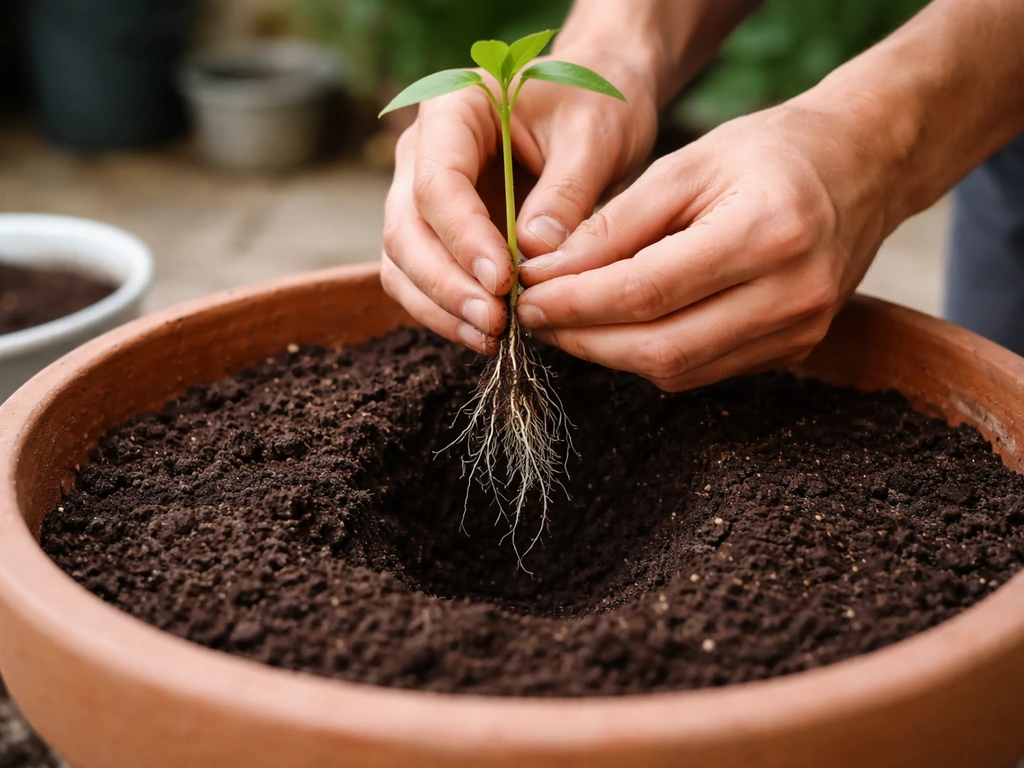
If using a spore suspension, water it directly onto the bare roots or root zone of a young seedling before potting. Then plant the seedling into your prepared substrate. If using a pre-inoculated seedling, plant it carefully without disturbing the root ball, which protects the early-stage mycelial mantle. Keep the seedling in a sheltered spot, partial shade is ideal, with no direct competition from other plants nearby for the first season.
Step 5: Establish and wait
The establishment phase is mostly about maintaining consistent moisture and protecting from temperature extremes. In containers, water regularly but don't waterlog. In-ground plantings benefit from mulching with pine needles or wood chips to retain moisture and moderate soil temperature. Expect the mycorrhizal relationship to consolidate over 6-18 months. You won't see above-ground evidence of this, which is frustrating, but that's ECM life. If you want to check progress, you can gently expose a small section of roots and look for thickened, pale, slightly fluffy root tips (the characteristic ECM mantle) compared to bare, hair-like root tips on un-colonized roots.
Step 6: Create fruiting conditions

Porcini fruiting is triggered by specific conditions. Research on Boletus edulis mycelium dynamics points to cool autumn temperatures as a key climatic driver for fructification. In practice, fruiting tends to occur in late summer through autumn when temperatures drop into the 12-18°C (54-65°F) range, the soil is moist from rain or irrigation, and the site has adequate shade. If you're in a climate with dry autumns, deep watering in the weeks before your expected fruiting window can help simulate the rainfall trigger.
Spawn vs spores vs inoculated trees: what to actually buy
| Option | How it works | Difficulty | Cost | Best for |
|---|---|---|---|---|
| Pre-inoculated tree seedling | Mycorrhiza already established on roots; plant directly | Low-medium | Higher upfront ($15-60+ per seedling) | Beginners; fastest route to establishment |
| Spore suspension (DIY or commercial) | Blend fresh/dried cap with water, apply to root zone of clean seedling | Medium-high | Low (DIY free if you have porcini) or $10-30 commercial | Growers who want to start from scratch with own seedlings |
| Mycelial inoculant (commercial culture) | Pre-grown mycelium applied to seedling roots at potting | Medium | Moderate ($20-50) | Growers with some ECM experience; better colonization rate than spores alone |
My recommendation: if you're starting out, buy a pre-inoculated seedling from a reputable supplier. It removes one major failure point (failed inoculation) and gets you into the establishment phase faster. Just do your homework on the supplier, ask specifically whether colonization has been confirmed and how the strain was verified. A supplier who can't answer that is a red flag. Quality control in mycorrhizal seedling production is a recognized problem in the industry, so buyer awareness matters.
Getting the environment right: soil, moisture, temperature, and shade
- Soil pH: target 5.0 to 6.5 (slightly acidic). Test with a cheap pH meter and amend with sulfur or pine needle mulch if needed.
- Drainage: critical. Porcini hate waterlogged roots. If your soil is heavy clay, raise your bed or container or blend in coarse sand and bark.
- Moisture: consistent and moderate. Soil should stay damp but not wet. In dry periods, water deeply every 5-7 days during the growing season.
- Temperature: mycorrhizal establishment works best in moderate temperatures (10-25°C / 50-77°F). Avoid extremes during the critical first year.
- Fruiting window: cool, moist autumn conditions. Mean autumn temperatures in the 12-18°C range are most associated with sporocarp production.
- Shade: partial shade is ideal. Full sun dries out the soil too quickly and stresses both tree and fungus. A spot that gets morning sun and afternoon shade is excellent.
- No synthetic fertilizers: these suppress the mycorrhizal association. Feed the tree only with organic, low-nutrient mulch if anything.
- Stand age matters: research suggests porcini fruit more reliably under older trees. If you're planting from scratch, think of this as a multi-year investment.
Troubleshooting: when it's not working
No fruiting bodies after 2-3 years
This is the most common complaint, and the causes are usually one of three things: the mycorrhizal partnership never properly established, the fruiting conditions (temperature, moisture) weren't right at the critical window, or the inoculant was displaced by competing native soil fungi. If you’re asking can you grow puffball mushrooms instead, the approach is different and usually far easier than cultivating porcini. First, check your roots. Dig carefully and look for mycorrhizal mantles on the fine root tips. If you see none, colonization failed and you'll need to re-inoculate or start over with a pre-inoculated seedling in a cleaner substrate. If mantles are present, focus on your autumn conditions: were temperatures in the right range? Did the soil get sufficient moisture before and during the fruiting window? Sometimes a deep watering in September or October is enough to trigger pins.
Seedling dying or not thriving
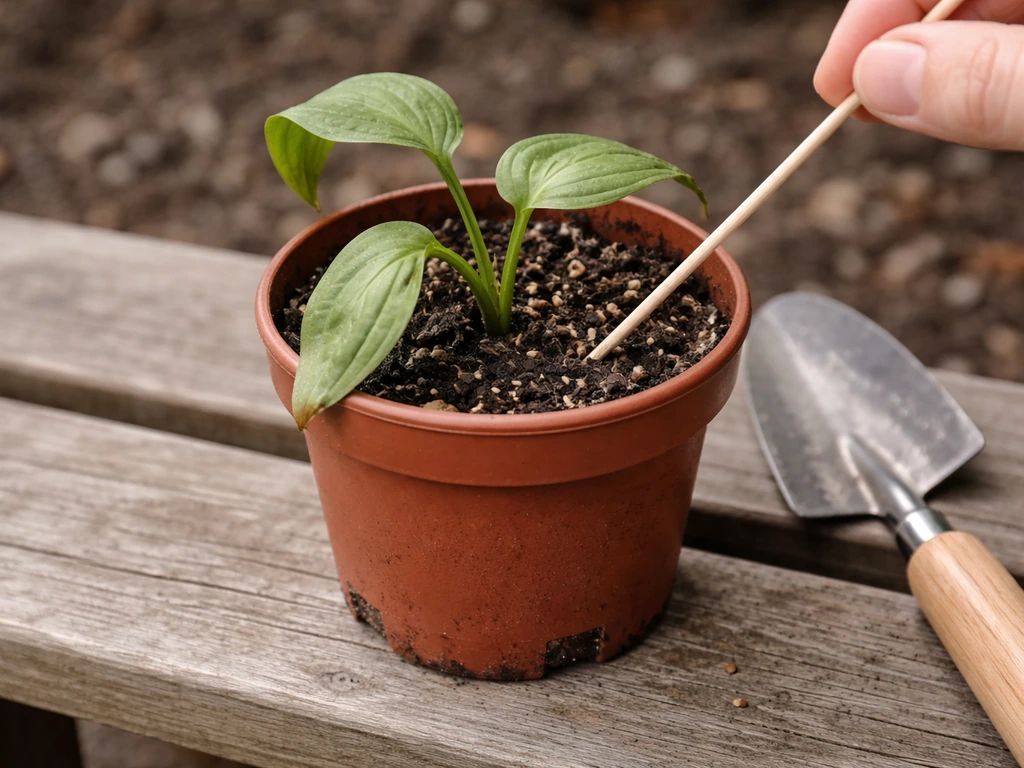
A dying host tree means no porcini, ever. Check for root rot (caused by poor drainage), waterlogging, or pest damage. If the seedling is in a container, check that the pot has adequate drainage holes. If in-ground, assess whether the planting site is too wet in winter. Also check for pH problems: a soil that's too alkaline will stress both the tree and the ECM fungus. Re-test and amend if needed.
Colonization looks patchy or has disappeared
ECM status can decline over time, especially if competing soil fungi move in. This is more common in garden soils that haven't been managed to reduce competition. If you notice that previously colonized roots now look uncolonized, you likely have competing ECM fungi displacing your porcini inoculant. Options: re-inoculate into a fresh container with new, sterile substrate, or try planting in a more isolated location away from other established trees (which harbor their own ECM communities). Research confirms that competing ECM fungi before and after plantation establishment is one of the top reasons cultivation fails.
Inoculation never 'took' at all
If you used a spore suspension and see zero colonization after 6 months, a few things may have gone wrong: the spores were old or non-viable, the substrate pH was off, or the seedling roots weren't young enough for successful colonization. Start fresh with a new seedling in a purpose-mixed acidic substrate, and this time use either a verified commercial inoculant or a fresh spore suspension made from the freshest porcini cap you can source.
You got one flush but nothing since
First flush is a great sign: it means your system works. Inconsistent subsequent fruiting is almost always about environmental conditions varying year to year. Track your autumn temperatures and rainfall against your fruiting events. USGS research on ectomycorrhizal basidiomycete sporocarps reports that sporocarp standing crop and fungal species richness are correlated with precipitation along a moisture gradient, linking rainfall patterns to fruiting behavior blank" rel="noopener noreferrer">climate conditions. A Scientific Reports study on Mediterranean elevation gradients also found precipitation to be a significant limiting resource for sporocarp production, helping explain why rainfall timing affects fruiting blank" rel="noopener noreferrer">rainfall patterns that trigger fruiting. If a fruiting year was notably cooler and wetter than a non-fruiting year, you have your answer. You can try to influence this with strategic irrigation in late summer and early autumn, mimicking the rainfall patterns that trigger fruiting in the wild.
Porcini vs other wild mushroom projects: is it worth it?
Porcini are genuinely one of the most challenging mushrooms to cultivate at home because of the obligate mycorrhizal requirement and the long establishment timeline. Morel cultivation (Morchella spp.) shares some of this complexity, and like porcini, rewards patience and the right site conditions. If you want something quicker, pioppino mushrooms or puffball species are more forgiving and don't require a living host at all. That said, if porcini are your goal, the method above is your clearest path. It's slow, it requires attention to the details of soil chemistry and seasonal conditions, but it does work. A well-tended porcini setup can fruit reliably year after year once it's mature, and that makes the wait worthwhile.
FAQ
How can I tell if my tree is actually colonized by porcini, not just “benefiting” from the inoculant?
Look for thickened, pale, slightly fluffy root tip mantles on the fine roots, not just a patch of “good-looking” roots. If you only see normal hair-like roots or the mantle never forms after many months, treat it as a failed establishment and avoid re-fertilizing, since nutrients can further suppress ECM colonization. If you want a clearer check, expose only a small section and re-cover immediately to avoid drying out the root tips.
Should I fertilize my inoculated tree to help colonization and growth?
Inoculation success depends heavily on keeping the inoculant in contact with fine roots. If you fertilize during the first season, high nutrients can reduce the tree’s willingness to partner, and native fungi may overtake the root tips before the introduced fungus establishes. A practical rule is to avoid conventional fertilizer near the inoculated root zone for at least the first year, then reassess based on tree vigor and soil pH.
How far should I place my inoculated seedling from other big trees to avoid competition?
Start by matching the host to your site, but also consider where the tree is planted. If you place a porcini-inoculated seedling too close to established mature trees, you may end up mixing competing ECM communities in the soil. Keeping a dedicated, slightly isolated planting area (or isolating roots within a container or root barrier) can reduce displacement risk.
What should I do if my roots look colonized but I never get any porcini fruiting?
Fruiting can fail even when colonization is present, so try not to judge your system by pinning. The most actionable lever is moisture timing around late summer through autumn, especially when temperatures are in the roughly 12 to 18°C range. Deep, infrequent watering to moisten the soil before and during the expected cool, wet window often helps more than constant light watering.
How do I handle pH problems that might be preventing colonization or fruiting?
If your soil is too alkaline, it can stress both the host and the ECM fungus. Re-test pH in the planting zone (not just the general yard), then adjust with acidic organic materials like pine duff or well-aged bark rather than adding lots of fertilizer. Re-check pH after amendments settle, since repeated spot-amendments can create uneven conditions.
Can I start porcini inoculated trees in containers and move them outdoors later?
Yes, and the best plan depends on why you are doing it. If you want control during establishment, keep the seedling in a large container in partial shade, then transplant outdoors once the mycorrhiza has had time to consolidate (commonly after multiple seasons or when roots show clear mantling). Avoid transplanting right after inoculation, because root disturbance can disrupt early mantle development.
Is it worth trying porcini from spores instead of buying pre-inoculated seedlings?
Growing porcini from spores can work in the sense of eventual colonization, but it is much less predictable than using verified, pre-inoculated seedlings. Expect higher contamination and longer uncertainty, so if your goal is “reliably getting fruit,” prioritize strain-verified inoculated stock. If you do use spore suspensions, prioritize fresh caps or the freshest available inoculant, and apply directly to the root zone of a young seedling.
My first harvest (or colonization) seemed to fade, what could cause ECM decline over time?
If colonization declines after a year or two, it often means the root zone ecology has changed. Common triggers include waterlogging from poor drainage, heavy nutrient inputs, or a surge of competing native ECM fungi. Before re-inoculating, fix the site conditions (drainage and pH), then consider re-inoculating into a cleaner, more isolated area or a fresh container with purpose-mixed substrate.
What are the most common container mistakes that reduce survival or colonization?
For container setups, drainage matters as much as the mix. Use large pots with adequate drainage holes and avoid saucers that hold standing water, since waterlogging can kill fine roots and lead to rot. If the top dries fast but the lower layers stay wet, consider a coarser sand fraction or improve aeration, then keep watering consistent rather than spiking it.
Once I get my first porcini, how can I improve the odds of fruiting in future years?
A “first flush” is a strong sign, but you can still miss mushrooms in later years because fruiting is climate-driven. Track soil moisture and local autumn temperatures around where you planted, then compare fruiting years to non-fruiting years. If your area has dry autumns, prepare for targeted deep watering during the weeks before expected cool conditions.