Growing truffles is genuinely hard, and it's a completely different challenge from growing oyster mushrooms or shiitake in your spare room. We're talking about a 4 to 12-year outdoor commitment, strict soil chemistry, living host trees, and a mycorrhizal relationship you can't fully control. Most people who start truffle orchards never see a single truffle. That's not meant to scare you off, but if you go in with realistic expectations and do the groundwork right, you give yourself a real shot at one of the most rewarding things you can grow. If you’re wondering, “can you grow truffle at home,” the short answer is you can try, but only if you plan for a long, carefully managed orchard setup most rewarding things you can grow.
How Hard Is It to Grow Truffles at Home? Realistic Steps
Marcus Holloway
4 May 2026
Why truffles are in a completely different league
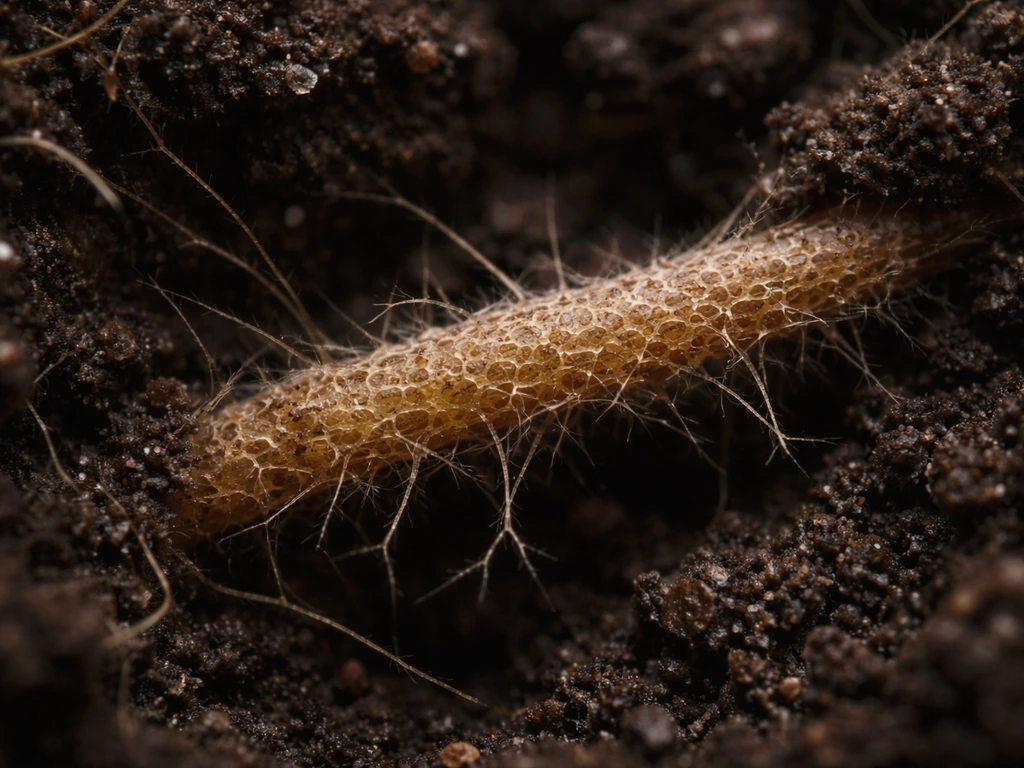
The single biggest thing that separates truffles from every other mushroom on this site is that they are not saprophytes. They don't break down dead wood or straw or grain. They are ectomycorrhizal fungi, meaning they live in an obligate, long-term symbiosis with the living roots of specific host trees. No tree, no truffle. It's that simple and that complicated.
At the root level, the truffle fungus forms a structure called a Hartig net, an intercellular network that wraps between the root cells of the host tree and acts as the physical interface for nutrient and sugar exchange. The fungus also develops an outer hyphal sheath around the root tips and extends hyphae out into the surrounding soil. This whole system has to be healthy, established, and thriving before a truffle will ever form. You can't rush the biology, and you can't replicate it in a bag of substrate.
The practical implication is that truffle cultivation is really orchard farming, not mushroom cultivation in the traditional sense. You're planting trees, managing soil ecology across years, and waiting for an underground fungal network to mature before anything happens above or below ground that you can harvest. If you've been growing oyster mushrooms and want to add truffles to your operation, think of it less like adding a new mushroom variety and more like starting a small vineyard.
The biology: what truffles actually need to fruit
Host trees and the mycorrhizal relationship
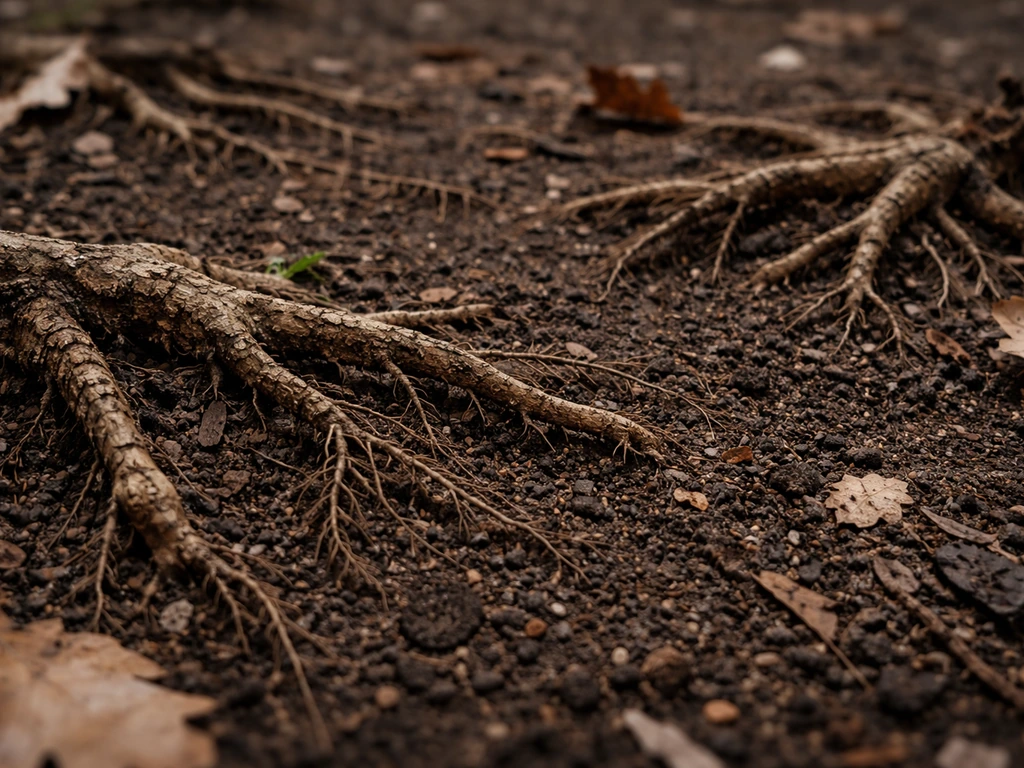
The most widely cultivated truffle, black Périgord truffle (Tuber melanosporum), blank" rel="noopener noreferrer">pairs with several oak species including Quercus ilex (holm oak), Quercus pubescens (downy oak), and Quercus robur (English oak), as well as hazel (Corylus avellana). Tuber melanosporum, also known as the black truffle, is native to southern Europe Tuber melanosporum (black truffle). White truffle (Tuber magnatum) is far more demanding and requires specific soil and tree conditions that make it even harder to cultivate reliably. For most home growers starting out, Tuber melanosporum with an oak or hazel host is the most realistic target.
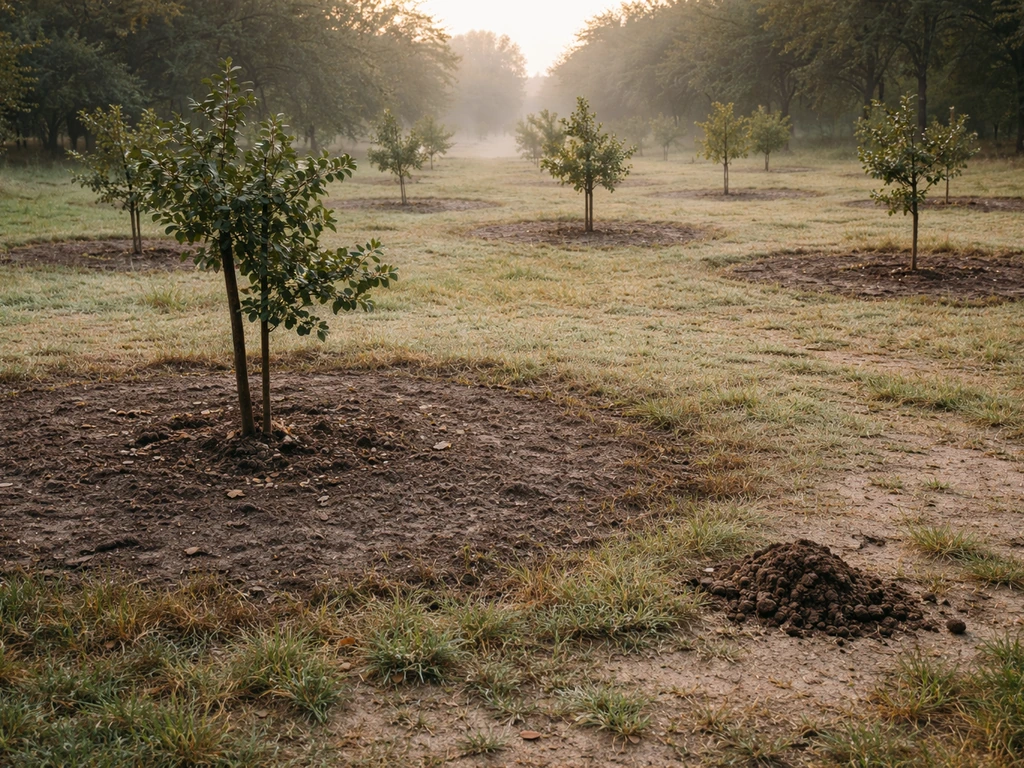
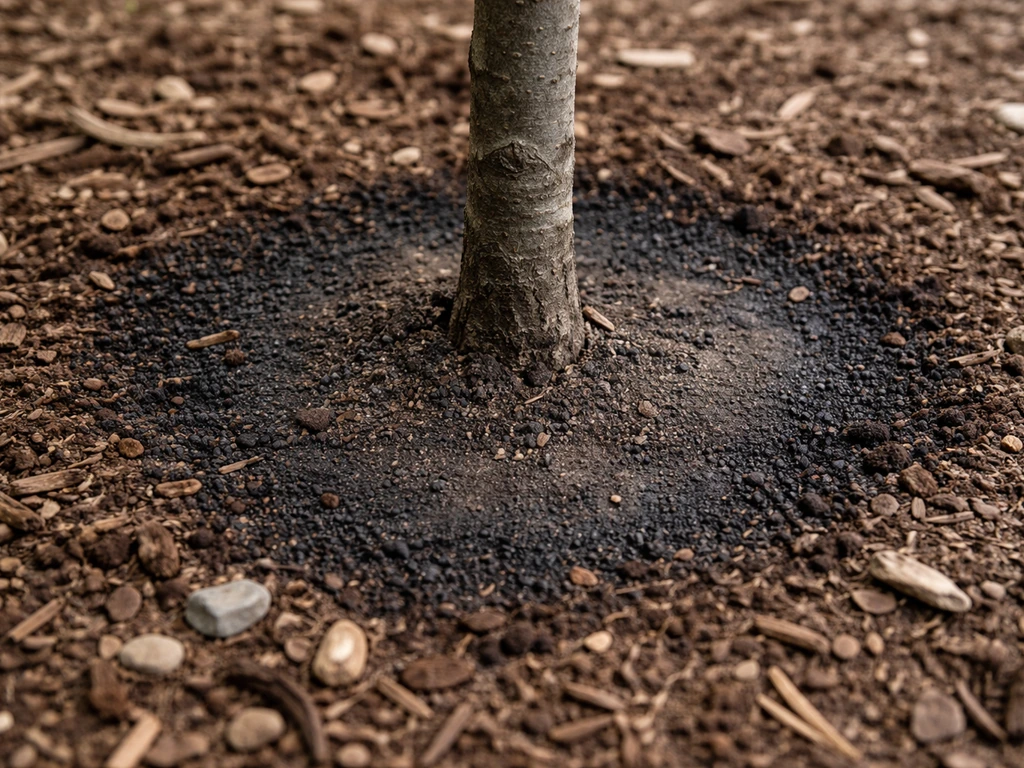
The relationship between fungus and tree isn't just helpful, it's required. The truffle mycelium gets sugars from the tree's photosynthesis, and the tree benefits from improved nutrient and water uptake through the fungal network. If the tree is stressed, poorly established, or the mycorrhizal colonization is thin, fruiting won't happen. One visible sign that the colonization is working well is the development of a 'brûlé,' a burned-looking bare zone around the base of the tree where truffle mycelium suppresses competing vegetation. Seeing a brûlé is genuinely encouraging because it means the fungal network is active and expanding.
Soil chemistry and site requirements
Soil pH is probably the most critical variable you can actually control, and the target range is narrow. For Tuber melanosporum, you're aiming for a pH of roughly 7.5 to 8.3, with NC State Extension specifically noting a fruiting target of 7.6 to 8.1. The soil also needs adequate active limestone content, with at least 8% active limestone recommended by some European nurseries. White truffle (Tuber magnatum) has a wider stated pH tolerance of 6.4 to 8.7, but it compensates by having far stricter requirements around soil structure, drainage, and biotic conditions.
Beyond pH, the site needs excellent drainage, good aeration, and relatively low fertility. High nitrogen levels favor competing fungi and suppress truffle colonization. Soils with pesticide residues from intensive farming history are also problematic. Full sun exposure and a climate with warm, dry summers and cold winters that match the Mediterranean origin of T. melanosporum are important. The soil needs to breathe, drain fast, and stay relatively lean.
Time, money, and what a realistic timeline looks like
This is where most people's enthusiasm cools off, and I think that's fair. Black truffle orchards rarely produce fruiting bodies before year 5 from planting. Most reach consistent production between years 8 and 12. Some sources note truffles can appear as early as year 3 in ideal conditions, but full production across an established orchard more typically requires 10 to 20 years. If your orchard shows no sign of production after about 5 years and you can't detect any brûlé development, something has gone wrong that needs diagnosing.
The financial outlay is real. Properly inoculated seedlings from reputable nurseries aren't cheap, and quality control matters enormously. Before you buy, look for suppliers who can provide DNA verification that the seedlings are actually colonized with your target truffle species, and ask about colonization rate. NC State Extension recommends using a random sample of purchased trees for DNA testing before planting. This isn't paranoia, it's due diligence, because inoculation success at the nursery level is inconsistent and not guaranteed to persist into fruiting conditions.
| Species | Difficulty | pH Range | Host Trees | Years to First Harvest |
|---|---|---|---|---|
| Tuber melanosporum (Black Périgord) | High | 7.5–8.3 | Oak, hazel | 5–12 years |
| Tuber aestivum (Summer/Burgundy) | High | 7.5–8.5 | Oak, beech, hazel | 5–10 years |
| Tuber magnatum (White/Italian) | Very high | 6.4–8.7 | Oak, willow, poplar | 7–15+ years |
| Oregon truffles (Tuber oregonense, etc.) | High | Varies | Douglas fir, pine | 5–10 years |
Yields, when they do come, typically range from about 10 to 50 kg per hectare per year in well-managed orchards. For a backyard or small plot, think in terms of a handful to a few kilos per season at best in the early production years. Not nothing, but not a business plan either.
How to get started the right way
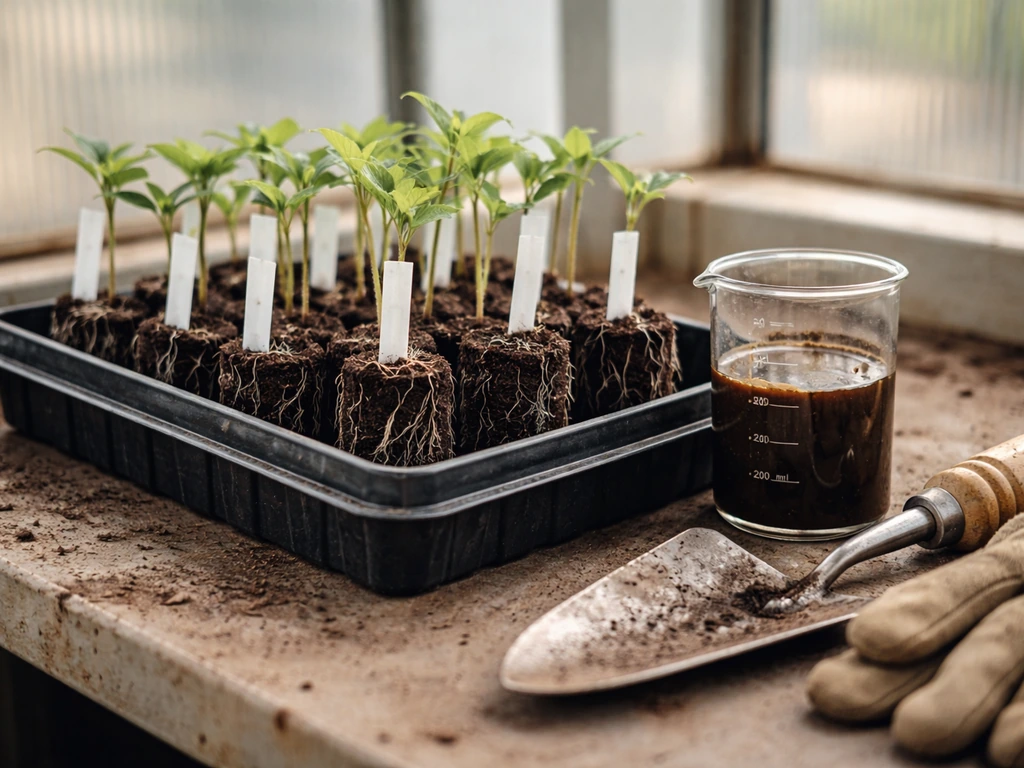
Choose your species and source good seedlings
Start with Tuber melanosporum if you're in a temperate climate with warm, dry summers. If you're in New Zealand, the Pacific Northwest, or another non-Mediterranean region, research the local climate match carefully, because this species evolved in specific conditions and won't adapt to just anywhere. If you're looking specifically at how to grow truffles in NZ, start by matching your climate and soil to the truffle species you choose before you spend on inoculated trees New Zealand. Avoid white truffle (T. magnatum) as your first project. Its cultivation is so finicky and poorly understood that even experienced orchardists struggle with it.
Source inoculated seedlings from a nursery that provides mycorrhizal verification, ideally with DNA-based confirmation of the truffle species present. Ask what percentage of root tips are colonized, and push for a real answer. A seedling with low colonization rates may not establish the fungal network you need. Some growers also explore growing truffles indoors or in greenhouse setups as a way to control conditions more tightly, though outdoor orchard planting remains the most proven method. If you do pursue greenhouse growing, focus on replicating the orchard fundamentals like the right host trees, soil chemistry, and drainage rather than just tightening temperature and humidity control how to grow truffles in a greenhouse.
Prepare your site and soil before planting
- Test your soil pH at least 6 to 12 months before planting. If you're below 7.5, apply agricultural lime in stages to raise pH gradually without shocking the soil biology.
- Assess drainage. Dig a 30 cm hole, fill it with water, and see how fast it drains. If water is still sitting after 4 hours, drainage needs to improve before planting.
- Reduce soil fertility if you're on previously farmed land. Avoid adding nitrogen-rich composts or fertilizers to the planting area.
- Clear competing vegetation from the planting zone. This matters both for tree establishment and because competing fungi can outcompete truffle mycelium.
- Plant inoculated seedlings in spring or early autumn, spaced about 13 to 20 feet (4 to 6 meters) apart to allow brûlé zones to develop without immediate overlap.
Ongoing care: what you'll be doing for the next decade
Truffle orchards are not set-and-forget. NC State Extension describes maintaining orchards with light cultivation several times per year, primarily for weed control. Research backs this up: weed management significantly affects the expansion of truffle mycelium in the soil around host trees. Keep grass and broad-leaved weeds suppressed in the brûlé zone, but do it carefully, because aggressive mechanical disruption can damage the root-fungal system.
Irrigation is important, especially during dry summers. Low-dose drip irrigation has been shown to roughly double the number of T. melanosporum colonized root tips compared to unirrigated controls. You're not trying to keep the soil wet, you're maintaining consistent moisture through summer dry spells when the fungal network is most active. Overhead irrigation is less ideal than drip because it can affect soil surface conditions and encourage competing organisms.
Resist the urge to fertilize heavily. High fertility, especially high nitrogen, encourages competitor fungi and weed growth, both of which push back against your truffle mycelium. Keep inputs minimal and focused on maintaining the correct pH rather than feeding the tree aggressively. Annual soil pH checks are worth the cost and effort.
Monitor the brûlé zone as your primary health indicator. A growing, clearly defined brûlé around each tree is the best visual sign your mycorrhizal network is expanding. A shrinking or absent brûlé after year 3 or 4 is a warning sign worth investigating.
Why most home truffle setups fail (and how to troubleshoot)
No truffles forming after several years
This is the most common and frustrating outcome. Before assuming the worst, check whether a brûlé is visible. If there's no brûlé after 4 to 5 years, it's likely the mycorrhizal network never established properly. Possible causes include poor-quality inoculated seedlings, pH that drifted out of range after planting, inadequate drainage drowning root tips, or aggressive weed/grass competition that outpaced truffle mycelium in the soil.
pH problems
Soil pH can drift, especially after rainfall leaches lime from the soil or if organic matter decomposition acidifies the surface layer. Test annually and apply agricultural lime as needed to stay in the 7.5 to 8.3 range. Don't try to fix a pH problem all at once with a heavy lime application because drastic swings can damage the existing root network.
Competition and contamination issues
Other fungi in the soil will compete with your truffle mycelium. This is unavoidable, but you can minimize it by keeping fertility low, maintaining weed control, and not introducing outside organic matter (like wood chip mulch from unknown sources) that may carry competing species. Soils with a history of heavy pesticide or herbicide use can also carry residues that disrupt the mycorrhizal relationship at a biological level.
Climate and environmental mismatch
Tuber melanosporum evolved in the Mediterranean. It expects hot, dry summers and cool, wet winters. If your climate doesn't provide this, fruiting is unlikely even with perfect soil chemistry. Before committing to a decade-long investment, honestly assess whether your regional climate is a match. If you're in a wetter, cooler climate, you might explore whether Tuber aestivum (summer truffle) or native truffle species are more appropriate.
Poor seedling quality
National Geographic has noted that inoculating seedlings with truffle mycelium is still 'iffy' and doesn't guarantee mature truffles will form. Even with the best nursery, some seedlings arrive with lower colonization rates than advertised. DNA testing a sample of your purchased trees before planting is one of the best investments you can make. It's inconvenient and costs money, but it gives you actual data rather than a guess.
Harvesting, yields, and planning your next move
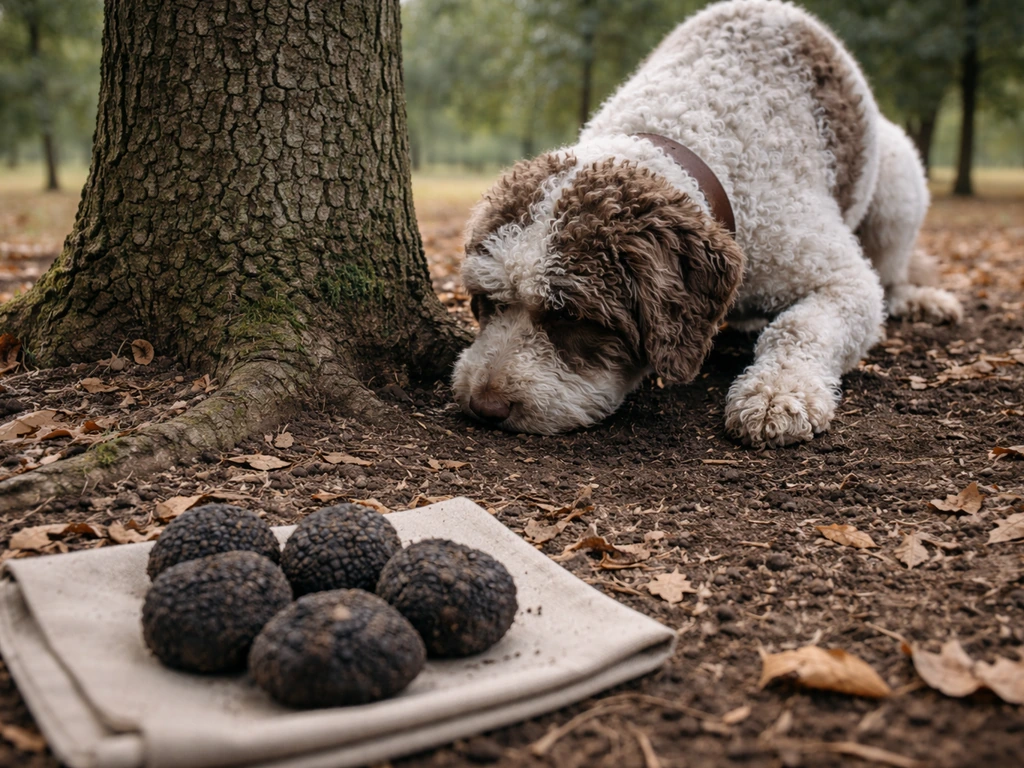
When truffles do form, they develop underground near the host tree roots, typically within the brûlé zone. Truffle dogs are the gold standard for detection. A trained dog can locate truffles without disturbing unripe ones still developing nearby, which matters because you want to leave immature truffles to continue ripening. Raking the soil surface is an alternative method, but it risks damaging both the truffles and the fungal network if done aggressively. If you rake, replace any disturbed soil or organic litter afterward to protect the root zone.
Truffle season for Tuber melanosporum runs roughly November through March in the northern hemisphere. Ripe truffles have a strong, distinctive aroma, and that scent is your best confirmation of maturity. Harvest carefully and handle gently. Truffles bruise and deteriorate quickly after harvest, so use them or store them properly within days.
After your first harvest, whatever the size, treat it as data. How big was the brûlé zone on productive trees? Which trees produced and which didn't? Were there patterns in soil moisture, aspect, or shade? This information directly guides your management for the following years. Adjust irrigation, weed control, and pH maintenance based on what you observe rather than just following a generic schedule.
If you're a few years in and struggling with whether your setup is even viable, it's worth exploring some of the more controlled approaches, like greenhouse cultivation, that allow tighter management of temperature, humidity, and soil conditions. Indoor truffle growing is still experimental and has significant limitations, but for growers in challenging climates it's worth understanding the options before abandoning the project entirely.
The bottom line on truffle cultivation is this: it's hard, it's slow, and a lot of it is outside your direct control. But it's not impossible, and the growers who succeed are the ones who do the soil prep properly before planting, source verified seedlings, manage the orchard actively across years, and stay patient without being passive. If you're willing to treat it like the long game it is, truffles are one of the most extraordinary things you can grow.
FAQ
How do I know if my truffle inoculated trees actually established mycorrhizae before truffles appear?
Don’t wait for fruiting. Look for a clearly developing brûlé around the base of each tree and repeat soil pH tests seasonally, because even a short-lived pH drift can stop colonization from turning into an active fungal network. If brûlé is weak or inconsistent by year 3 to 4, plan on diagnosing rather than continuing the same routine unchanged.
What’s the fastest timeline I should realistically expect for first truffles?
In ideal conditions, some growers report a first appearance as early as year 3, but most see meaningful production later. If you have no meaningful brûlé by about year 4 to 5, treat it as a high-risk signal that the orchard biology did not establish, not just “normal delay.”
If my soil pH is in range now, can it still fail to produce truffles?
Yes. pH can drift after planting due to rainfall leaching lime or surface acidification from organic matter decomposition. That’s why annual testing matters, and why you should avoid big corrective lime swings. Even with “correct” pH at one point in time, drainage, low nitrogen, and weed pressure still determine whether colonization persists.
Can I use compost, manure, or mulch to improve soil fertility and still grow truffles?
Generally no, not in the typical “feed the soil” way. Truffles prefer relatively lean conditions, and added compost or animal manures can raise available nitrogen, increase competitors, and alter the soil biology around roots. If you do want organic amendments, keep them minimal and never introduce material of unknown origin (like wood chips) that could bring in competing fungi.
What mistakes most often ruin an orchard after planting, even when seedlings are verified?
The most common are letting grass and broad-leaf weeds take over near the root zone, over-fertilizing (especially nitrogen), and disrupting the soil too aggressively with cultivation or raking. Also, avoid overhead irrigation during wet periods because it can change surface conditions and favor competitors, even if your average rainfall seems fine.
How can I tell if irrigation is helping or harming my truffles?
Aim for consistent moisture during summer dry spells, not permanently wet soil. If drainage is poor, extra water can drown root tips and stall the mycorrhizal system. A practical check is whether brûlé expands rather than shrinks after irrigation adjustments, and whether neighboring weeds suddenly explode (often a sign fertility or moisture is supporting competitors).
Is greenhouse or indoor truffle cultivation likely to work for a home grower?
It can be promising for control, but it’s still experimental and won’t fix missing fundamentals. You still need the correct host, the correct soil chemistry, excellent drainage, and a biology that can mature over years. If you cannot replicate “orchard-like” conditions and timeframes, expect higher failure rates than outdoor orchard planting.
What host tree and region choices are least forgiving for beginners?
Beginners are most likely to struggle with white truffle (Tuber magnatum) because its cultivation requirements are finicky and less reliably reproduced. Region matters too, because Tuber melanosporum expects a Mediterranean-style rhythm (hot dry summers and cool winters). If your climate is wetter and cooler year-round, plan a species fit review before investing in inoculated trees.
How do I choose a nursery, and what exactly should I ask for?
Ask for DNA or other mycorrhizal verification that confirms the truffle species present, and request information on colonization level such as the percentage of root tips colonized. Also ask whether you can DNA-test a random sample of the purchased trees prior to planting, because reported success at the nursery does not always persist under your local soil and climate.
Do truffle dogs always work, and what’s the best way to harvest without harming developing truffles?
Trained truffle dogs are generally preferred because they can locate ripe truffles while avoiding disturbance to nearby immature ones. If you use raking, do it gently and be prepared to replace any disturbed soil or organic litter immediately to protect the root zone and fungal network, since aggressive disturbance can set back colonization.
My trees aren’t producing after five years, but pH and drainage seem okay. What should I check first?
Start with the brûlé status (present, weak, shrinking) because it’s the clearest indicator of active expansion. Then review seedling quality and whether colonization rates were actually verified, check for signs of lingering high nitrogen (from past fertilizing or unintended rich amendments), and evaluate weed competition in the brûlé zone, since competitors can outpace the truffle mycelium.
Are yields like “10 to 50 kg per hectare” realistic for small backyard plots?
Usually no, not directly. Those numbers typically come from well-managed, established orchard conditions. For small plots, think in terms of a handful to a few kilos in early production, and treat your first seasons as data to refine irrigation timing, weed suppression, pH stability, and shade or aspect effects rather than chasing headline yield figures.