
Growing mycorrhizal fungi at home means establishing a living fungal symbiosis inside your plant's roots, not fruiting mushrooms in a bag or jar. Your goal is colonization: getting compatible fungal hyphae to physically contact living roots, penetrate the root tissue, and form a partnership where the fungus trades soil nutrients (especially phosphorus) for plant sugars. If you nail the right species match, put the inoculant where roots actually are, and keep the soil conditions honest, that partnership establishes in a matter of weeks and pays dividends for the life of the plant.
How to Grow Mycorrhizal Fungi at Home Step by Step
Marcus Holloway
2 May 2026
What mycorrhizal fungi actually are (and what's realistic at home)
Mycorrhizae are fungi that live in and around plant roots in a mutually beneficial relationship. The fungal hyphae extend far beyond the root surface, reaching soil volumes that roots alone can't access, and shuttle phosphorus, water, and micronutrients back to the plant in exchange for carbohydrates. The mycelium network doing all that work is invisible underground. The mushrooms you might occasionally see popping up near a pine tree or an oak are just the reproductive fruiting bodies some mycorrhizal species produce when conditions are right, they are not required for the symbiosis to function and they are not your target outcome here.
There are two main types you'll encounter as a home grower. Arbuscular mycorrhizal fungi (AMF, sometimes called endomycorrhizae or VAM) push their hyphae directly into root cortical cells and form branched structures called arbuscules. These are the fungi that work with the vast majority of vegetables, herbs, fruit trees, ornamentals, and grasses. Ectomycorrhizal fungi (ECM) wrap around root tips rather than penetrating the cells and are specialized for woody trees and shrubs like oaks, pines, spruce, birch, and beech. You can't swap them. Putting an ECM inoculant on your tomatoes won't do anything, and an AM product won't help your pine seedlings.
What's realistic at home? You can reliably inoculate seedlings, transplants, bare-root trees, and new plantings when you place the inoculant directly in the root zone at planting time. Trying to retrofit colonization into established plantings in undisturbed native soil is much harder because native soil communities already contain competing fungi, and introduced inoculants are frequently outcompeted. New garden beds, freshly transplanted trees, seedling starts, and disturbed or low-fertility soils are where inoculants earn their keep.
Choosing the right species and matching them to your host plant
The single biggest mistake people make is buying a generic mycorrhizal product without checking whether it's compatible with their plants. Host compatibility is non-negotiable. No compatibility, no colonization, full stop.
Plants that work with AM fungi (endomycorrhizae)
Most vegetables and fruits fall in this category: tomatoes, peppers, cucumbers, melons, squash, onions, leeks, lettuce, carrots, beans, peas, strawberries, apples, cherries, peaches, plums, and pears all colonize well with AM inoculants. Most ornamental flowers and grasses do too. These are your everyday garden workhorses, and a quality AM or VAM inoculant labeled for vegetables and fruit trees will cover most of them.
Plants that do NOT form mycorrhizal associations
This surprises a lot of people. The entire brassica family (broccoli, Brussels sprouts, cabbage, kale, cauliflower) does not colonize with mycorrhizal fungi. Spinach, beets, cranberries, and several other crops are also non-hosts. Inoculating these plants is a waste of money and inoculant. Always check the host list on the product label before you buy.
Plants that need ECM fungi (ectomycorrhizae)
If you're planting oaks, pines, spruce, fir, birch, beech, larch, or similar conifers and hardwoods, you need an ectomycorrhizal product. Look specifically for ECM inoculants (often labeled as "ecto" tabs, plugs, or gels) designed for tree establishment. These products are placed 4 to 6 inches deep near the drip line of existing trees, or directly at the root ball during transplanting for seedlings and saplings.
| Plant Group | Mycorrhizal Type Needed | Example Products/Format | Notes |
|---|---|---|---|
| Vegetables, herbs, annual crops | AM (endomycorrhizae) | AM granules, powders, liquids | Avoid with brassicas, spinach, beets |
| Fruit trees (apple, cherry, peach, plum, pear) | AM (endomycorrhizae) | AM granules, root dip gels | Highly responsive, good ROI |
| Ornamentals, grasses, most perennials | AM (endomycorrhizae) | AM granules, liquid drenches | Check label for specific genera |
| Oaks, pines, spruce, fir, birch, beech | ECM (ectomycorrhizae) | Ecto tabs, plugs, gels | Do not use AM products on these |
| Heaths (Erica, Rhododendron, blueberry) | Ericoid mycorrhizae | Specialized ericoid inoculants | Neither AM nor ECM products work |
Inoculation methods that actually work at home
Every inoculation method shares one rule: the inoculant has to physically touch or be within millimeters of living roots. If you meant growing mycelium bricks, you can use the same “living mycelium” mindset, but you will need a different setup than root inoculation germination and colonize. Broadcasting granules across the soil surface and watering them in rarely works because most propagules never contact a root. They sit in the soil, dry out, or get outcompeted before they can germinate and colonize. Here are the methods that hold up in real home-garden conditions.
Method 1: Root dip for bare-root stock and plugs
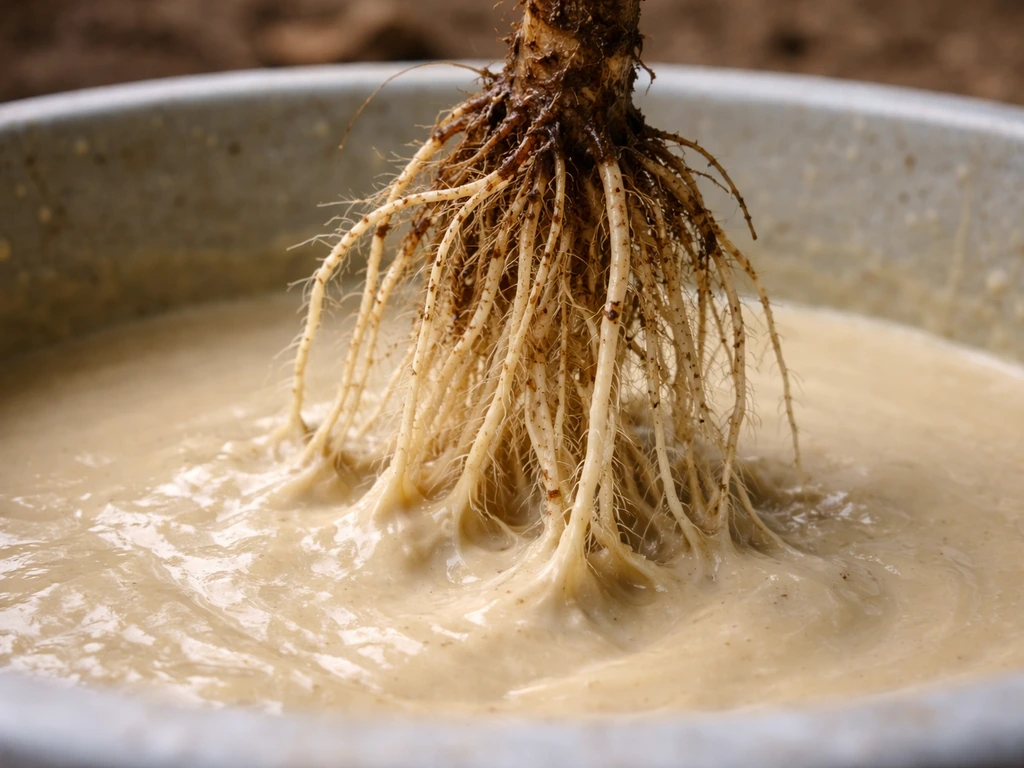
This is the most reliable method for bare-root trees, transplant plugs, and seedling starts. Mix powdered or liquid AM inoculant with water to make a slurry (follow label ratios), then dip the entire root ball or bare roots in the slurry for 30 to 60 seconds just before planting. The inoculant coats the root surface and establishes direct contact immediately. For larger bare-root trees, you can paint or pour the slurry directly onto roots before dropping them in the hole. This is my go-to for fruit tree planting and it's as low-tech as it gets.
Method 2: In-furrow or at-transplant granule application
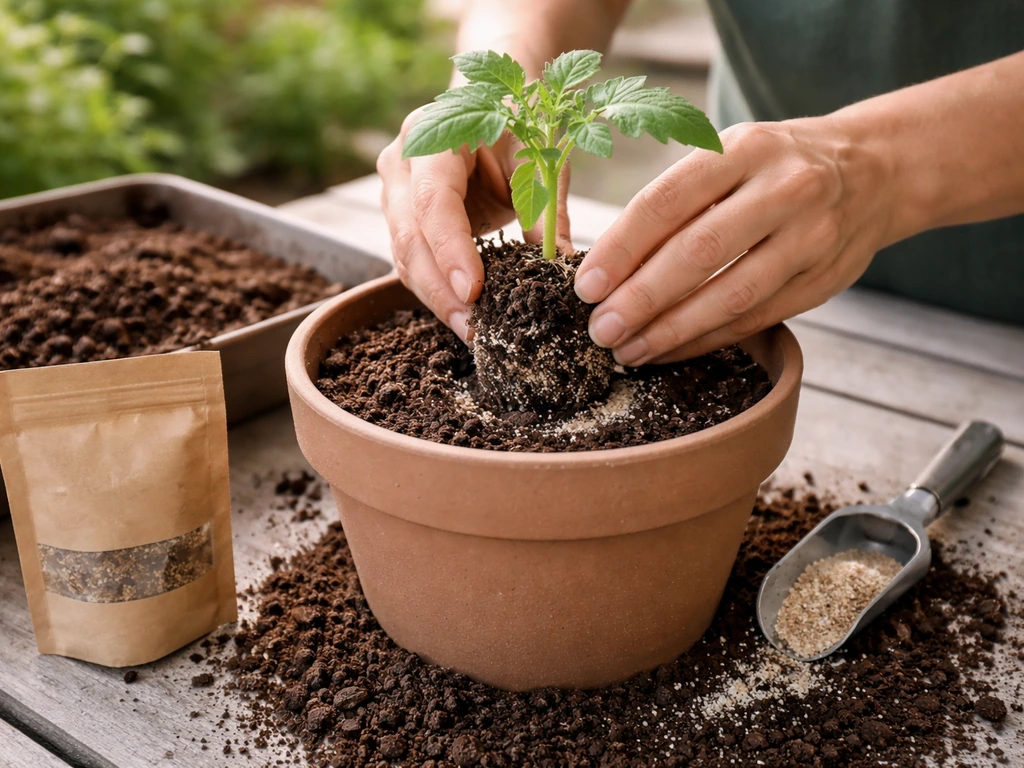
For seedlings going into the ground or containers, add granular inoculant directly to the planting hole before you set the plant in. For deeper guidance on nurturing a thriving underground fungal presence beyond just one transplant, see how to grow mycelium in soil as a related approach. A small pinch (roughly the amount specified on the label, usually 1/4 to 1 teaspoon per transplant) goes into the bottom of the hole or sprinkled over the root ball as you backfill. The roots grow into the inoculant immediately. This works well for tomatoes, peppers, cucumbers, squash, and most ornamental transplants.
Method 3: Seed inoculation
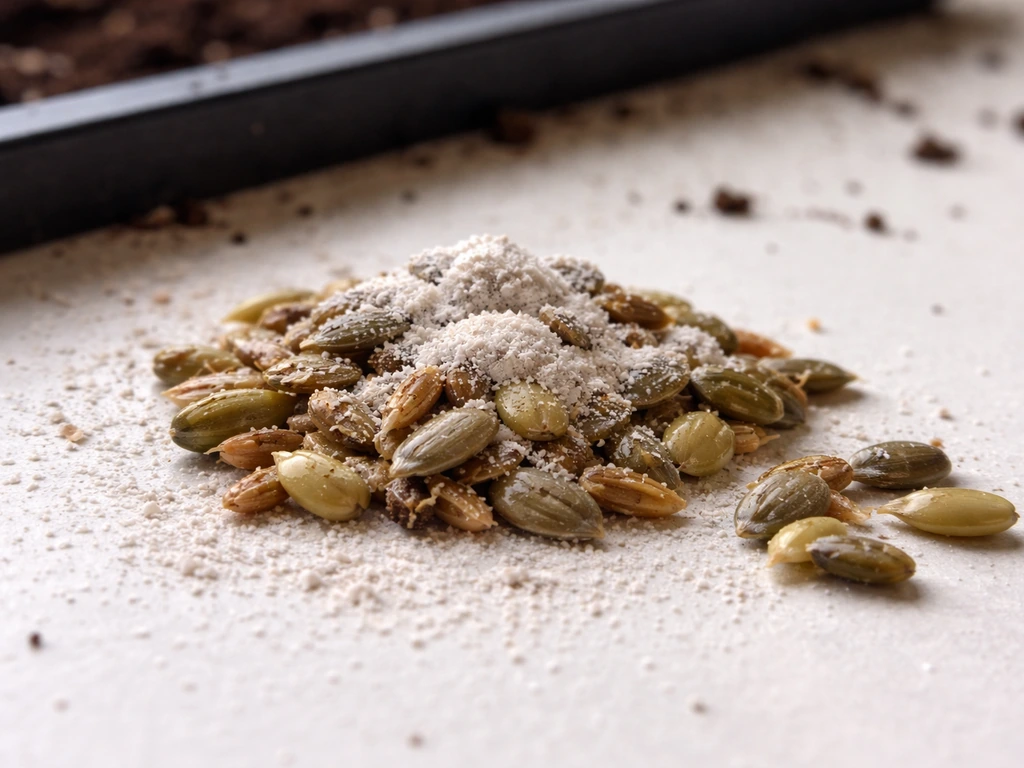
Dust powdered AM inoculant directly onto moistened seeds before sowing. The fungal spores adhere to the seed coat and are positioned right where the first root (radicle) emerges. This is economical for direct-seeding crops like beans, peas, and squash. Use only enough water to make seeds tacky, add the powder, shake to coat, and sow immediately. Don't let inoculated seeds sit for hours before planting.
Method 4: ECM tabs and plugs for trees
For ectomycorrhizal trees like pines and oaks, solid inoculant tabs or plugs are the most practical home format. For new plantings, place tabs directly against the root ball at planting depth. For established trees where you want to boost colonization, insert tabs 4 to 6 inches deep near the drip line using a soil probe or narrow dibber, spacing them every 12 to 18 inches around the drip line circumference. Water in thoroughly after placement.
Soil prep and site conditions: getting the environment right
Even perfect inoculant placement fails in the wrong soil environment. Mycorrhizal fungi have preferences, and ignoring them is how you end up with a dead inoculant sitting in an inhospitable root zone.
pH
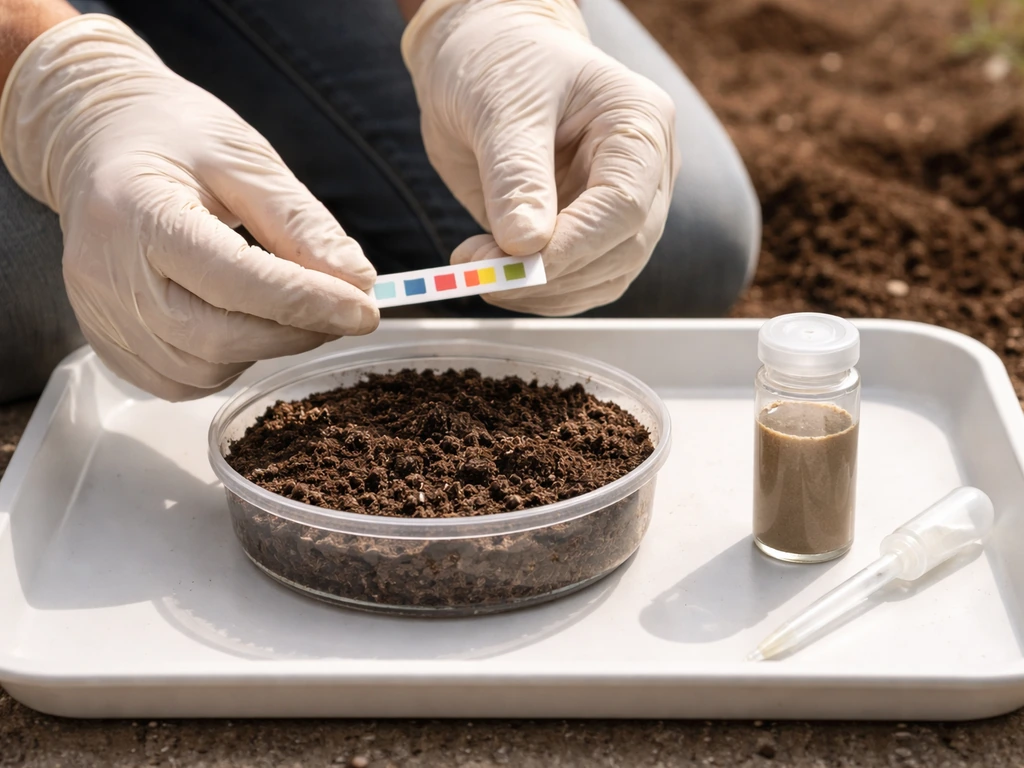
Most AM fungi perform well across a broad pH range of 5.5 to 7.5, which covers the vast majority of garden soils. ECM fungi for acid-loving trees prefer the lower end of that range (5.0 to 6.5). If your soil tests above pH 7.5 or below 5.0, amendment is worth doing before inoculation, not after. Use sulfur to lower pH and agricultural lime to raise it, applying based on a soil test rather than guessing.
Phosphorus: the single biggest setup mistake
High soil phosphorus is the most common reason mycorrhizal colonization fails in home gardens. The plant-fungus trade works because the plant needs phosphorus and the fungus supplies it. When soil P is already abundant (generally above 50 ppm or a high rating on a soil test), the plant has no metabolic incentive to sustain the symbiosis and colonization is suppressed. Multiple studies confirm this: high P fertilization directly reduces AMF root colonization.
A PMC study looking at interactive effects of arbuscular mycorrhizal fungi, soil phosphorus, and light reports that [phosphorus level can change AMF colonization outcomes](https://pmc. ncbi. nlm. nih.
gov/articles/PMC8021950/). If you've been heavy-handed with phosphorus fertilizers, bone meal, or rock phosphate, scale back significantly before inoculating. Ideally, get a soil test and only add P if levels are genuinely low (below 15 ppm is a common threshold where AMF benefits are most pronounced).
Soil texture, compaction, and organic matter
Mycorrhizal hyphae need air pockets to grow through. Heavily compacted soils restrict hyphal extension and limit the network's ability to explore the soil volume. Loosen the planting zone with a fork or broadfork before inoculating. A moderate level of organic matter (3 to 5% is ideal) supports fungal activity without creating anaerobic conditions. Avoid waterlogged soils, which suppress AM and ECM fungi alike. Good drainage is more important than rich organic content.
Moisture
The root zone needs to stay consistently moist (not saturated) during the establishment window, typically the first 4 to 8 weeks after inoculation. Fungal hyphae are sensitive to desiccation. A dry spell immediately after inoculation can kill propagules before they colonize. Mulching around newly inoculated plants with 2 to 3 inches of wood chips or straw is one of the best things you can do to hold moisture and moderate soil temperature.
Sunlight and fertility
The symbiosis runs on photosynthesis: the plant feeds the fungus with sugars, so the plant needs adequate light to generate those sugars. Deeply shaded sites (less than 4 hours of direct sun) limit the energy available to sustain the fungal network. On fertility, the goal is moderate, not high. Avoid high-nitrogen fertilizers during the establishment phase too, because lush vegetative growth from nitrogen can reduce the plant's dependency on fungal nutrient acquisition.
Aftercare: timelines, troubleshooting, and knowing if it's working
Realistic timeline
Initial root contact and germination of AM spores can happen within days of inoculation under warm conditions (soil temperatures above 60°F). Visible colonization (if you were to stain and examine roots under a microscope) can be confirmed within 2 to 4 weeks. Observable plant-level benefits, like improved drought tolerance, enhanced growth, or reduced nutrient deficiency symptoms, typically show up 4 to 10 weeks after inoculation, depending on species, soil, and weather. Don't expect dramatic above-ground changes overnight. The network is building quietly underground.
Signs that colonization is working
- Plants show better resilience during dry spells compared to uninoculated neighbors
- Leaf color is deeper green and growth is steadier without extra fertilizer
- Fruit set and root development appear ahead of expectations for the variety
- In some ECM trees, small dense root clusters (ectomycorrhizal root tips) are visible if you carefully dig near the drip line
- Occasional mushrooms appearing near inoculated ECM trees (oak, pine) indicate reproductive activity, a bonus but not required
Troubleshooting common problems
| Problem | Likely Cause | Fix |
|---|---|---|
| No visible plant benefit after 8+ weeks | Incompatible host, high soil P, poor inoculant viability | Check host list, get soil test, buy fresher product from reputable supplier |
| Inoculant seems to have done nothing | Propagules placed too far from roots (broadcasting) | Always place inoculant in direct root contact at planting time |
| Poor plant growth despite inoculation | High soil P suppressing colonization, or over-fertilizing N | Reduce P and N inputs, recheck soil test |
| Plants in native/established soil not responding | Native fungal community outcompeting introduced inoculant | Inoculants work best in disturbed or low-biology soils; manage expectations |
| Harsh, dry site causing failure | Hyphae desiccating before colonization establishes | Mulch heavily, water consistently for first 6 to 8 weeks |
| Fungicide recently applied to roots or soil | Fungicide suppressing or killing inoculant propagules | Wait 3+ weeks after any systemic fungicide before inoculating |
Sourcing inoculant, tools, and materials (and the mistakes to avoid)
Where to buy and what to look for
Inoculant quality is wildly inconsistent. A major peer-reviewed quality assessment found that over 80% of commercial AMF inoculants failed to induce root colonization even under favorable controlled conditions. That's a sobering number. The main culprits are expired products, poor storage, or products with insufficient viable propagule counts. When shopping, look for products that list propagule counts or colony-forming units on the label rather than just ingredient names. More spores (generally 200+ propagules per gram) is a better sign than vague claims. Buy from suppliers that specialize in mycorrhizal inoculants rather than garden big-box stores where products may have sat on shelves for years.
Reputable sources include online specialty suppliers focused on biological soil amendments and mycorrhizal products, university extension-affiliated seed companies, and organic growing suppliers with high product turnover. Check the production date on the label. AM inoculant powder stored below 35°C (95°F) can remain viable for up to around 15 months from production, but viability drops with heat and time. Avoid anything that's been stored in a hot garage, shed, or car.
What products to choose
- For vegetables, herbs, and fruit trees: powdered or granular AM inoculant with a host list that includes your specific crops
- For bare-root transplants: root dip gel or slurry format for maximum root contact
- For ECM trees (oak, pine, spruce, birch): ecto tabs, plugs, or gel inoculants labeled for your specific tree genus
- For mixed plantings: combination endo/ecto products exist but verify the fungal species included match your actual plants
- Avoid products with added synthetic fertilizers in the blend, especially phosphorus, which counteracts colonization
Tools you actually need
- Soil test kit or lab test (most important tool, tells you P levels and pH before you spend money on inoculant)
- Dibber or narrow trowel for placing granules in the root zone
- Bucket or tub for mixing root-dip slurry
- Garden fork or broadfork for loosening soil without inverting layers
- Mulching material (wood chips, straw) for moisture retention
- Soil probe or narrow hollow rod for inserting ecto tabs into established tree root zones
Long-term care: keeping the colonization alive for years
Getting initial colonization is only half the job. The fungal network you've established is a living thing, and a lot of common garden habits will destroy it faster than any problem during inoculation.
Minimize tilling
Deep tilling severs the hyphal network that's been building since inoculation. If you've established a good mycorrhizal community in a bed, switch to no-till or minimal-disturbance methods. A broadfork lifts and aerates without inverting layers or cutting hyphae. This is similar to principles that guide growing mycelium in soil, where continuous disturbance is the enemy of a stable fungal network. These principles can also help when you are trying to grow mycelium in soil while minimizing disturbance.
Manage fertilizing intelligently
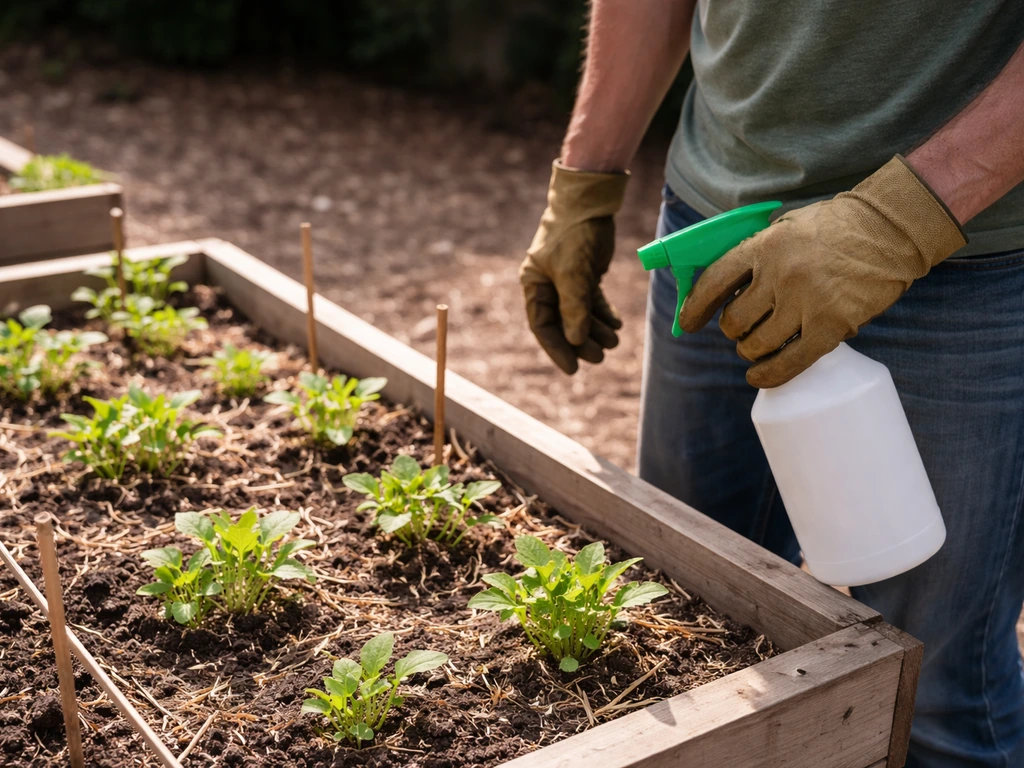
Every growing season, resist the urge to dump phosphorus fertilizer on established beds that already support a mycorrhizal community. Retest your soil every 2 to 3 years and only add P if levels have dropped below the response threshold. Nitrogen should be applied in moderate amounts from slow-release organic sources (compost, aged manure) rather than high-dose synthetic applications that push rapid vegetative growth at the expense of root-fungal exchange.
Avoid fungicides near inoculated plants
Systemic fungicides can prevent colonization for up to 3 weeks after treatment, and repeated use can suppress established mycorrhizal communities. If you need to treat disease in your garden, use targeted foliar applications rather than soil drenches, and avoid fungicide-treated seed for planting into inoculated beds. Check active ingredients: some are far more harmful to mycorrhizal fungi than others. When in doubt, skip the soil drench.
Keep roots alive between seasons
Mycorrhizal networks persist through living roots. If you are growing aerial mycelium, focus on keeping the surface conditions humid while ensuring the living roots are protected underground. When you remove all plants from a bed and leave it bare over winter, you're starving the fungal network of its carbon source. Cover crops, perennial understory plants, or even leaving roots of finished annuals in place over winter all help sustain the network until next season's planting.
Drought management
While an established mycorrhizal network improves drought resilience, the fungal hyphae themselves are vulnerable to severe desiccation, especially in the first season. Consistent deep watering (rather than light daily surface watering) encourages deeper root and hyphal growth. Maintaining 2 to 3 inches of organic mulch year-round is one of the highest-return practices for long-term mycorrhizal health.
Your next steps today: a quick-start checklist
- Run a soil test on your planting area and check your phosphorus level. If P is high (above 50 ppm), hold off on adding any more P fertilizer and consider waiting a season before inoculating.
- List every plant you want to inoculate and verify host compatibility. Cross off all brassicas, spinach, and beets. Separate your list into AM hosts (most vegetables and fruit trees) and ECM hosts (oaks, pines, conifers).
- Buy the right inoculant format for your method: granules for transplants, powder or gel for root dips, ecto tabs for trees. Check the production date and propagule count. Buy from a specialist supplier with high turnover.
- Prepare your planting site: loosen compaction with a fork, adjust pH if needed, and add compost if organic matter is very low. Avoid adding phosphorus amendments.
- Inoculate at planting time using direct root contact: root dip for bare-root stock, in-hole granules for transplants, seed dusting for direct-sown crops.
- Mulch immediately with 2 to 3 inches of organic material and water the root zone thoroughly.
- For the first 6 to 8 weeks, keep the root zone consistently moist and hold back on fertilizing, especially phosphorus.
- Stop tilling. Switch to a broadfork or no-till approach for that bed going forward.
- Schedule a follow-up soil test in 2 to 3 years to monitor phosphorus levels and adjust fertilizing accordingly.
One honest note before you go: inoculants are not magic. In rich, undisturbed native soil with an already thriving fungal community, introduced inoculants often don't do much because native fungi outcompete them. The biggest wins come with new plantings, disturbed soils, bare-root trees, and seedling starts where the fungal community is thin or absent. Set realistic expectations, focus on product quality and proper placement, and the biology will do the rest. To get the best results, follow a simple, step-by-step approach for how to grow mycelium at home, starting with the right host and inoculation method.
FAQ
Can I grow mycorrhizal fungi in my garden without changing my fertilizer routine?
Yes, but the timing matters. For AMF, you can inoculate at planting (seed, transplant, or bare-root). If you fertilize heavily with phosphorus right after, you can suppress colonization during the first 4 to 8 weeks. A practical approach is to inoculate, then use a light, low-phosphorus program for the establishment period, and only adjust later based on a soil test.
Why doesn’t spreading mycorrhizal granules on the soil surface work for me?
Most of the time, no. If you broadcast or top-dress inoculant and the root zone stays untouched, many propagules never get within millimeters of living roots. The reliable options are root-ball/root-dip methods (bare roots, transplants) or placing the inoculant directly in the planting hole, and for ECM trees, inserting tabs or plugs at root depth near the drip line.
How can I tell if my mycorrhizal inoculation actually took?
It depends on what you mean by “works.” For many gardeners, the easiest indicator is plant response over weeks, like steadier growth through dry spells or fewer nutrient deficiency symptoms. If you want to verify, you can stain roots and look for internal colonization, which typically becomes detectable around 2 to 4 weeks under warm conditions.
What happens if I inoculate a bed, then leave it empty or let it stay fallow?
Generally, you should not. Mycorrhizal networks depend on living roots to provide carbon. If you remove the plants and leave a bed completely bare for months, you starve the community. Instead, keep living roots present with cover crops or by leaving some root material in place (within reason) until you replant.
Can I inoculate seedlings earlier in pots, then move them into inoculated soil later?
Use caution with new transplants. If seedlings are started in a medium with no living roots (or in a sterile mix) and then transplanted into inoculated soil, you can still get colonization after transplant, but the fungal benefit may be slower. A better workflow is to inoculate at sowing for direct-seeded crops, or at transplanting for starts, so the fungus meets roots immediately.
Can I use one “mycorrhizal” product on all my plants?
Not reliably. Mycorrhizal fungi are host-specific at the type level (AM vs ECM) and also have compatibility constraints within those groups. For example, ECM inoculants are for certain woody trees like pines and oaks, while AM inoculants will not meaningfully colonize brassicas or other non-hosts. The decision aid is to confirm the product label host list for the exact crop.
Are there crops where AMF is likely to provide little or no benefit?
Broadly, yes, but the host list still matters. AMF products often work across many vegetables, herbs, fruits, grasses, and many ornamentals, while brassicas and several other crops are common non-hosts. Before buying or applying, check that your specific crop is listed as a compatible host, because non-hosts will not support useful colonization even if the product is high quality.
How much does soil compaction or poor drainage affect my success?
Yes, especially if you have dense, compacted soil or you keep the area saturated. Hyphae need air-filled pores to extend, and waterlogged conditions can reduce both AM and ECM performance. The practical fix is to avoid compaction, improve drainage, and inoculate in a well-aerated root zone that stays moist but not flooded.
Can fungicides or high-phosphorus fertilizers prevent colonization?
Avoid getting fertilizer or chemicals directly onto the inoculant where possible, particularly right after planting. High phosphorus reduces the plant’s incentive to maintain the symbiosis, and some systemic or soil-drenched fungicides can interfere with colonization for weeks. If you must treat disease, prefer targeted foliar methods and check the active ingredient for mycorrhizal toxicity.
Is it worth dusting my seeds with mycorrhizal inoculant powder?
If seeds are coated and sown immediately, it can work well. The common failure mode is letting coated seeds sit (drying out or losing viability) or sowing too shallowly where the seed dries quickly. For direct seeding, use only enough water to make seeds tacky, coat, and plant right away.
What should I look for on the label before I buy mycorrhizal fungi?
Yes, but don’t treat it as a guarantee. Inoculant quality varies, and many products have low viable propagule counts due to expiration, heat exposure, or poor storage. Look for a production date and label details like propagule counts or colony-forming units, then store it cool and dry (not in a hot garage).
How do I increase colonization after the first planting step?
You can improve odds, but you cannot “boost” colonization indefinitely through extra inoculant. After establishing contact, focus on stable conditions: moderate fertility, consistent moisture (not saturation), and minimal root disturbance. Over-fertilizing with phosphorus or repeatedly tilling can erase gains more effectively than under-inoculating.
How long does it take to see results, especially in cooler weather?
For AMF, warm soil speeds early activity, but the big practical lever is maintaining moist (not wet) conditions for the first 4 to 8 weeks. If temperatures are cool, expect slower progress, and prioritize preventing desiccation. For ECM trees, keep the root zone consistently moist while the tabs or plugs are establishing contact at depth.
Will inoculating an established garden bed still help, or is it mostly wasted money?
In most home situations, you should expect limited benefit in fully established, undisturbed beds where native fungi already exist. Inoculants can help most when fungal communities are disrupted or thin (new beds, transplanting, bare-root plantings, low-fertility soils, or freshly disturbed areas). If you want the highest payoff, inoculate when roots are most likely to meet low-competition propagules.