
King mushrooms (Boletus edulis and its close relatives) are one of the most coveted edibles in the world, but they are genuinely one of the hardest species to cultivate at home. For a full guide, see our detailed steps for how to grow beefsteak mushrooms, including inoculation and timing. Unlike oysters or shiitakes, which grow saprophytically on dead wood or straw, king boletes are ectomycorrhizal fungi.
How to Grow King Mushrooms Step-by-Step (King Bolete)
Marcus Holloway
27 May 2026
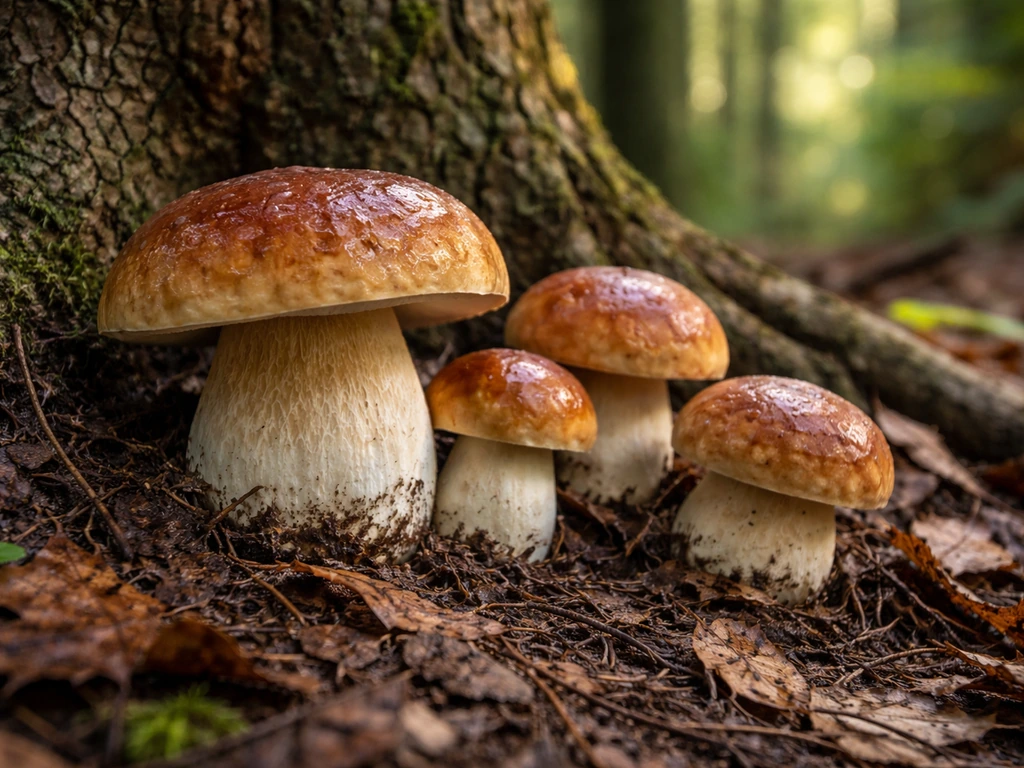
That means they form a living partnership with tree roots to survive, and you cannot shortcut that relationship with a bag of sterilized grain. That said, there are real, workable paths forward: outdoor inoculation projects near established host trees, mycelium-enriched soil beds, and experimental indoor/container methods. If you go in with the right expectations and set things up correctly, you can produce king mushrooms at home. It just takes more patience and site-planning than most beginner mushroom projects.
Choosing the right king bolete variety and sourcing culture
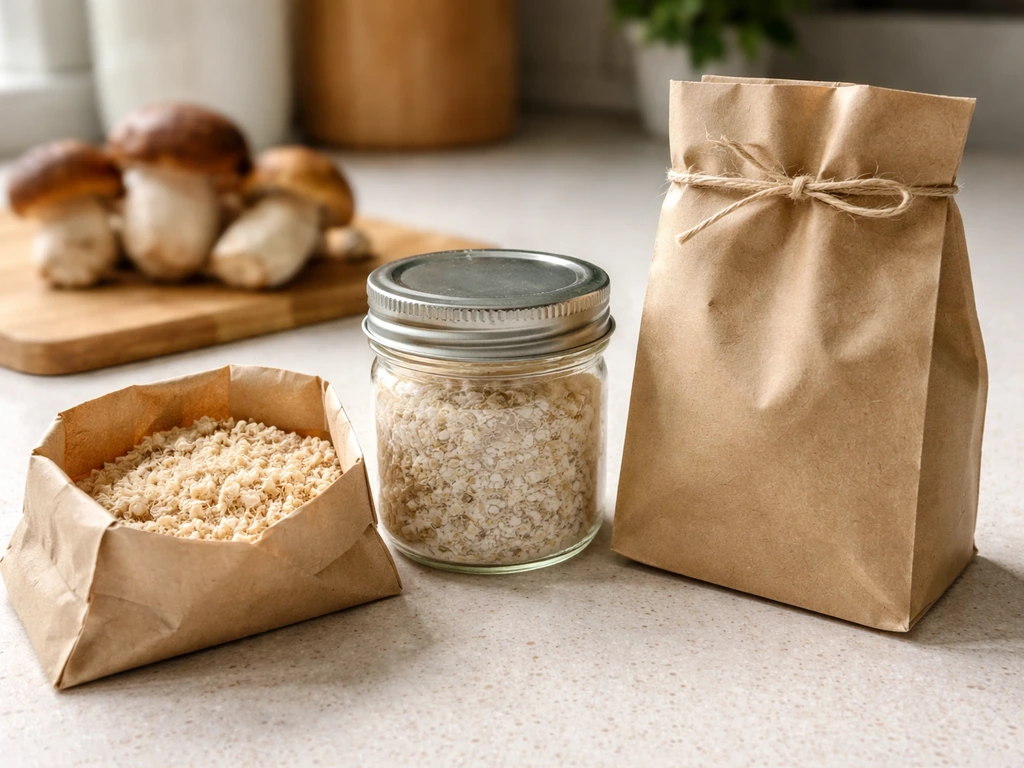
The term 'king mushroom' covers a small cluster of closely related bolete species, and picking the right one for your local conditions matters a lot. Boletus edulis is the classic king bolete or porcini, and it's the most widely distributed. It [associates with a broad range of host trees including pine, spruce, hemlock, fir, oak, beech, birch, and chestnut](https://www. fao.
org/4/Y4351E/y4351e0d. htm). If you have a mixed or broadleaf forest nearby, B. edulis is your go-to.
Boletus pinophilus (the pine bolete) leans heavily toward conifer-dominated sandy soils, particularly pines, though it also tolerates oak and beech. Boletus pinetorum is even more specific, associating almost exclusively with Scots pine. Match the species to the trees you actually have access to. Trying to grow B.
pinetorum in an oak-dominant landscape is setting yourself up for disappointment.
Sourcing is where most growers hit their first wall. True Boletus edulis spawn or live culture is not widely available from mainstream mushroom supply shops in North America. The USDA itself notes that B. edulis is 'not cultivated in North America' as a standardized commercial practice, which tells you something about how tricky this is.
Your best options are specialty European suppliers (several ship internationally), research-focused mycology communities, and online spore/culture traders. Look for ectomycorrhizal inoculant or 'bolete mycelium' specifically. Avoid any product vaguely labeled 'king mushroom kit' without verification that it's a true Boletus species. Some sellers use that name loosely for king trumpet (Pleurotus eryngii), which is a completely different species grown on very different substrates.
If you're also interested in that easier-to-grow option, it's worth looking into how to grow king trumpet mushrooms separately, since the cultivation method is entirely different. If you want a faster, more straightforward project, start with how to grow king trumpet mushrooms instead.
Outdoor vs. indoor growing: where king boletes actually thrive
Let me be direct: outdoor cultivation near real host trees is by far the most reliable method for growing king boletes, and for most growers it is the only method that produces genuine fruiting bodies over time. Indoor and container methods exist, but results are inconsistent and yields are typically low. If you have access to a garden, a yard with conifers or oaks, or a woodland edge, start there.
Outdoor site planning
Identify mature host trees on your property or in a space you can work in. Pines, spruces, oaks, and beeches are ideal. Boletus edulis is an ectomycorrhizal fungus that associates with living trees, including pine (Pinus), spruce (Picea), hemlock (Tsuga), fir (Abies), and broadleaf hosts such as chestnut, chinquapin, beech, and oak [Pines, spruces, oaks, and beeches are ideal. ](https://en.
wikipedia. org/wiki/Boletus_edulis). The tree should be established (at least 10 to 15 years old) so its root system is extensive. You'll be inoculating the soil in the root zone, so choose a spot within about 3 to 6 feet of the trunk, where fine feeder roots are active.
The soil should be slightly acidic (pH 5 to 6. 5), well-draining but moisture-retaining, and ideally rich in organic matter or already showing signs of fungal activity like leaf litter decomposition. Sandy loam soils work well for B. pinophilus.
Avoid compacted clay or areas with standing water. In terms of seasonality, king boletes naturally fruit late summer through fall in most temperate zones, so time your inoculation accordingly. Spring inoculation gives the mycelium a full growing season to colonize before the fruiting window arrives.
Indoor and container options
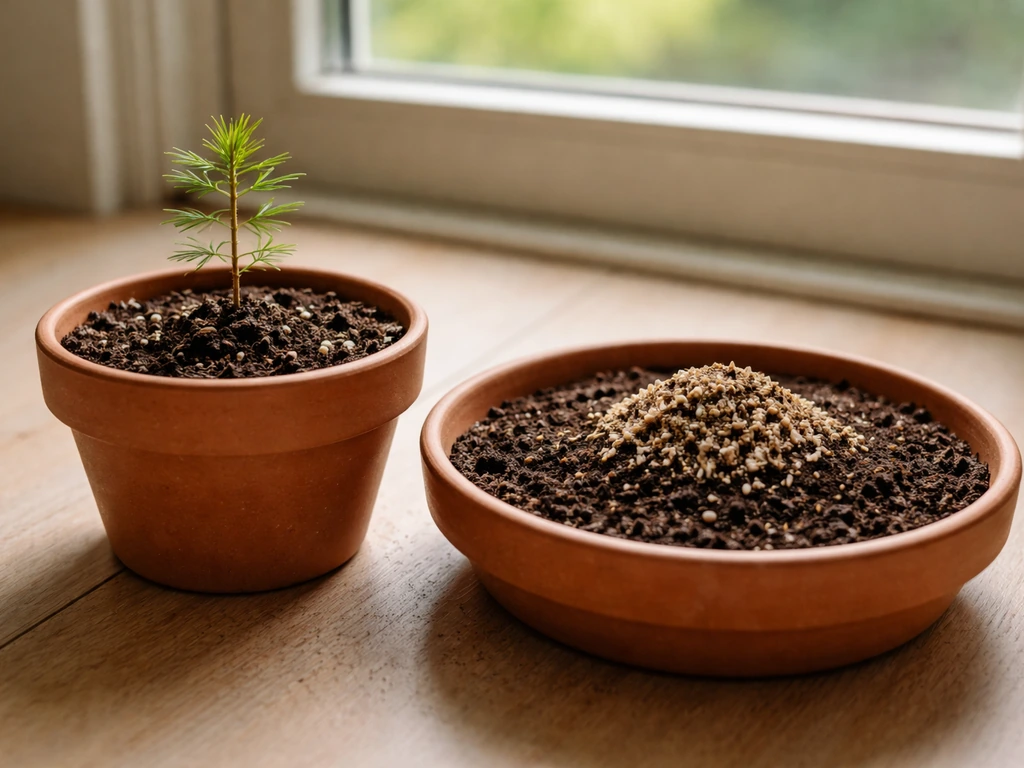
Indoor growing of ectomycorrhizal fungi is genuinely experimental territory. The approach that has the most reported success is container growing: plant a young host tree seedling (a 1 to 2 year old pine, spruce, or oak) in a large pot (at least 10 to 15 gallons), inoculate the roots with bolete mycelium at planting, and grow the tree-fungus system together for 1 to 3 years before expecting any fruiting. This is a long game. You are essentially building a micro-ecosystem in a container. It can work, and some growers have documented flushes this way, but you need patience and the right environmental controls. Think of it as a science project with a tasty potential payoff rather than a reliable crop.
Substrate, media, and inoculation options
Because king boletes need a living tree partner, the 'substrate' concept works differently here than with saprotrophic mushrooms like oysters or shiitakes. You're not sterilizing straw and injecting spores into a bag. Instead, you're amending the soil environment and introducing mycelium to an active root system.
Soil amendment for outdoor beds
For outdoor inoculation, prepare the planting zone by loosening the top 4 to 6 inches of soil without severing major roots. Mix in composted leaf litter (preferably from the same tree species you're working with), pine needle duff if working near conifers, and a small amount of peat moss to maintain slight acidity. Avoid adding large amounts of nitrogen-rich compost, as high nitrogen can actually suppress ectomycorrhizal colonization. The goal is a loose, slightly acidic, organic-rich zone where fungal threads can move freely between the inoculant and the tree roots.
Spawn vs. spores: which inoculation method to use
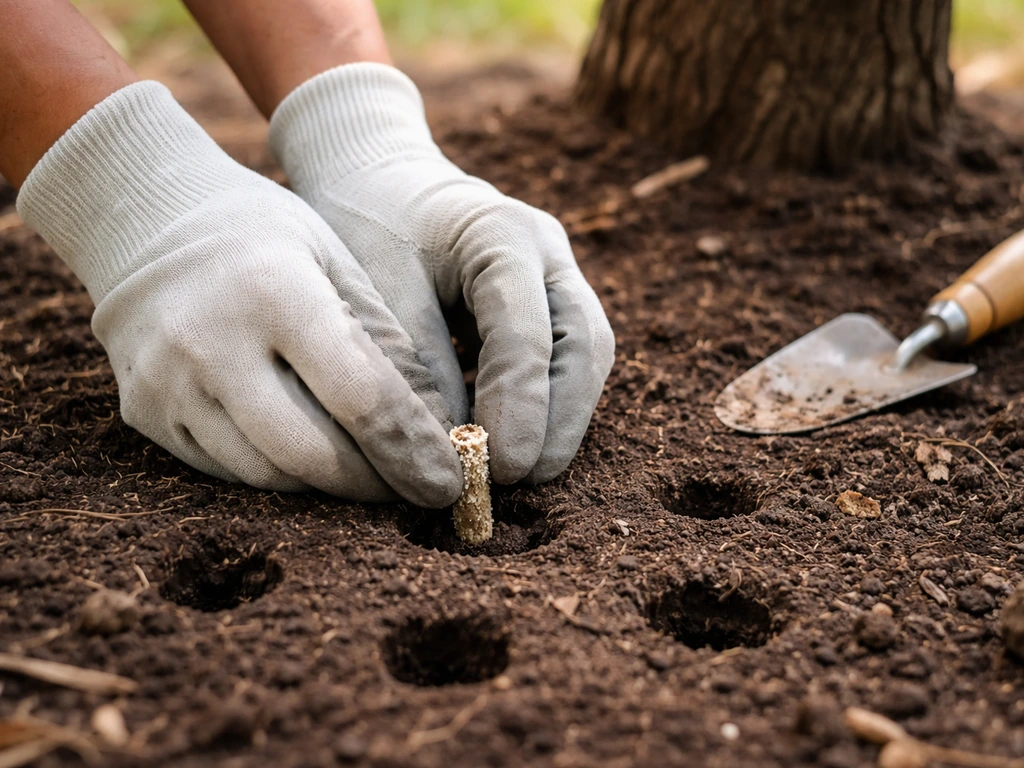
You have two main options: live mycelium inoculant (the equivalent of spawn) or spore slurry. Live mycelium inoculant is more reliable and faster. It's sold as a suspension or mixed into a carrier medium, and you apply it directly to the root zone. This is the path I'd recommend for most growers because the mycelium is already established and you skip the germination step entirely.
Spore slurry is more DIY-accessible: take fresh king bolete fruiting bodies, blend the gills and spore mass with non-chlorinated water, and pour the slurry around the root zone of your target tree. Germination rates are lower and it takes longer to establish, but it costs almost nothing if you have access to fresh boletes. Repeat the application 2 to 3 times over a season for better odds.
Some growers combine both approaches, applying spore slurry in spring and following up with live inoculant if available.
Environmental requirements for colonization and fruiting
King boletes have specific environmental preferences that reflect their native forest habitat. Getting these right is the difference between a thriving mycorrhizal network and a failed inoculation attempt.
| Parameter | Colonization Phase | Fruiting Phase |
|---|---|---|
| Temperature | 55–70°F (13–21°C) | 45–65°F (7–18°C) |
| Soil moisture | Consistently moist, not saturated | Slightly higher moisture, triggered by rain-like events |
| Humidity (ambient) | 50–70% relative humidity | 70–90% relative humidity |
| Light | Indirect/dappled (outdoor shade) | Natural dappled or indirect light |
| Airflow | Gentle, natural airflow | Natural airflow; avoid stagnant air |
| Soil pH | 5.0–6.5 (slightly acidic) | 5.0–6.5 (maintain same) |
Temperature is the factor growers most often get wrong. King boletes don't like heat. Colonization is most active in cool soil (55 to 70°F), and fruiting is triggered by a temperature drop, often following late summer or fall rains that cool the soil. If you're growing in a climate with hot summers, choose a shaded north-facing site or use mulch to keep soil temperatures down.
Mulching with wood chips or leaf litter (2 to 3 inches) is one of the best things you can do: it regulates moisture, insulates against temperature swings, and adds organic material that feeds the fungal network. For container indoor grows, keep pots in a cool room and use a humidity tent or tray to maintain soil moisture.
Step-by-step grow process with realistic timelines
- Site selection and preparation (Week 1 to 2): Choose your host tree location or container setup. Test soil pH if possible and adjust with sulfur if too alkaline. Loosen soil in the root zone, remove weeds, and amend with organic matter as described above.
- Inoculation (Week 2 to 4, ideally early spring): Apply live mycelium inoculant or spore slurry to the loosened soil around feeder roots. Work the inoculant into the top 4 inches of soil. Water gently with non-chlorinated water and mulch over the top immediately.
- Colonization phase (Months 1 to 18+): This is the long waiting game. The mycelium needs to establish contact with tree roots and form ectomycorrhizal associations. You will see no visible signs of progress above ground. Keep the area consistently moist, maintain mulch, and avoid disturbing the soil. In ideal conditions with live inoculant, meaningful colonization can happen within one growing season. With spore slurry, expect 2 to 3 years before any fruiting is realistic.
- Fruiting trigger (Late summer to fall, Year 1 or 2+): Fruiting is typically triggered by cooler temperatures and a significant moisture event, mirroring the late summer and fall rains of natural bolete habitat. If conditions have been dry, water deeply (simulating a heavy rain) when nighttime temperatures drop to the 45 to 60°F range. Check for pins every few days.
- Fruiting and monitoring (Days to weeks after trigger): Pins can emerge quickly once triggered and grow to full size in 5 to 10 days depending on temperature. Monitor closely. King bolete caps flatten and open as they mature, and you want to harvest before the sponge-like pore surface becomes soft or the cap begins to lift significantly.
- Post-harvest rest (Allow 2 to 4 weeks before attempting a second trigger): Leave the mycelial network undisturbed after harvest. A second flush in the same season is possible but not guaranteed.
Realistic timeline summary: with live inoculant and a well-established host tree, some growers see first fruiting in the second growing season (12 to 18 months after inoculation). Spore slurry approaches realistically take 2 to 4 years. Container tree projects can vary widely. Do not abandon your bed after one fruitless season. A healthy mycorrhizal bed can produce boletes for decades once established.
Troubleshooting: when things go wrong
No fruiting after multiple seasons
This is the most common complaint. First, confirm that your host tree is actually compatible with your bolete species. A mismatch here will result in no colonization at all, no matter how well you manage everything else. Second, check your soil pH. Values above 7 are hostile to boletes. Third, consider whether your inoculant was viable when applied. Old, dried-out, or improperly stored cultures may arrive dead. Reputable suppliers should provide fresh product, but always ask about storage and shelf life before buying. If you've waited 3-plus years with no results, try reapplying fresh inoculant in early spring and increase your watering frequency during the expected fruiting window.
Contamination in the soil bed
Because you're working with open soil rather than sterilized media, 'contamination' looks different here than in a fruiting chamber setup. Competing fungi, especially other saprophytic species, may colonize your bed and outcompete the bolete mycelium. This is actually common in rich organic soils. Signs include vigorous growth of other mushrooms (especially common weed species like ink caps or Pholiota species) near your inoculation site. Reduce nitrogen-rich amendments, which favor competitors. A slightly lower-nutrient, more acidic soil profile gives ectomycorrhizal fungi a competitive edge. Don't try to chemically sterilize an outdoor bed; that will kill the beneficial soil ecosystem you're building.
Slow or poor colonization
Cold, compacted, or waterlogged soil slows mycelial spread significantly. If your site stays wet and cold well into spring, consider improving drainage by working in coarse sand or perlite. Conversely, if summers are hot and dry, your mycelium may go dormant or die back. Consistent mulching and supplemental watering in dry periods is the main tool here. Soil temperature above 75°F at root depth is a warning sign. Move your inoculation to a shadier, cooler microsite if this is a recurring problem.
Temperature and humidity mistakes
For outdoor grows, the biggest temperature mistake is picking a hot, sunny, south-facing spot that heats up dramatically in summer. Choose north-facing or well-shaded areas under the tree canopy. For indoor container grows, the most common humidity mistake is letting the soil dry out between waterings. The potted root system has no natural groundwater reservoir to draw from, so you need to water consistently and often. Check soil moisture at 3-inch depth. It should feel like a wrung-out sponge: moist but not sopping.
Comparing difficulty to other king varieties
If you find the ectomycorrhizal challenge of true king boletes too steep as a first project, it's worth knowing that some mushrooms using the 'king' label are far more beginner-friendly. King stropharia (Stropharia rugosoannulata), for example, grows saprophytically on wood chips and straw, fruits within a few months, and is considered one of the easiest outdoor mushrooms for home growers.
The methods for growing king stropharia mushrooms are completely different from what's described here and much more forgiving for a first attempt. If you specifically meant stinkhorn mushrooms, look for a different cultivation approach tailored to stinkhorn life cycles and substrates King stropharia mushrooms. King trumpet mushrooms (Pleurotus eryngii) are also fully cultivatable on standard grain or straw substrates indoors, with reliable results.
Harvesting, storing, and setting up your next cycle
When and how to harvest
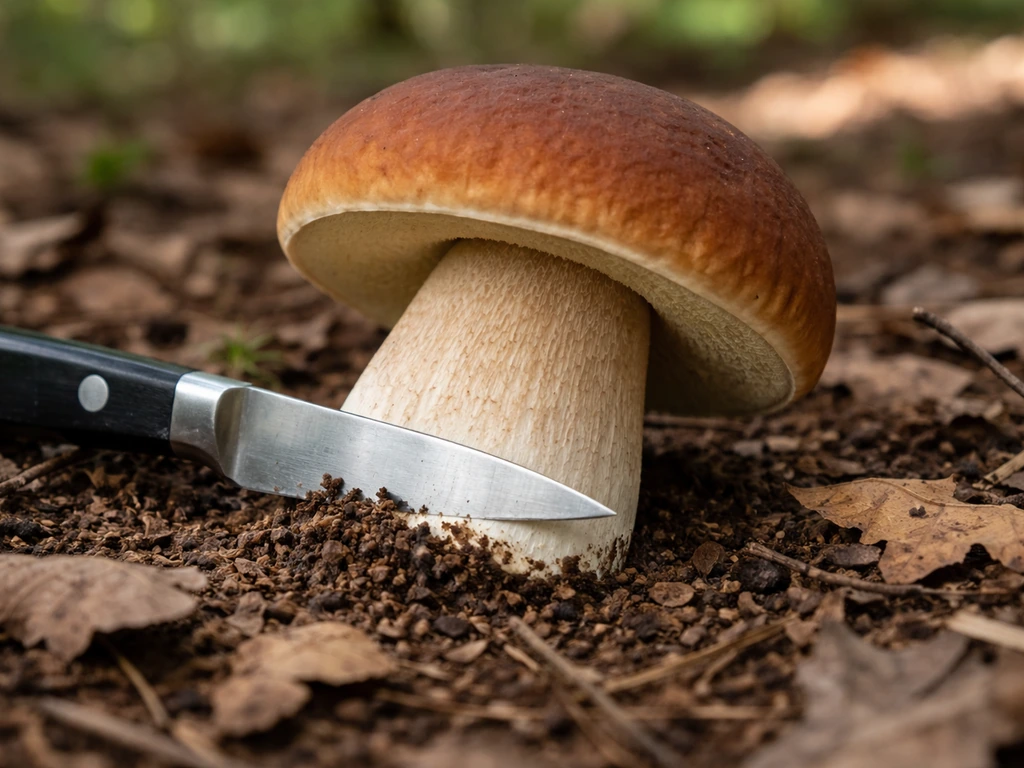
Harvest king boletes when the cap is firm and the pore surface underneath is white to pale yellow. Once the pores start turning greenish-yellow and the flesh softens, quality degrades quickly and the mushroom may already be hosting insect larvae. Twist and pull gently from the base rather than cutting, which helps the mycelial network remain intact. Some growers prefer to cut at the base, and either method is fine for the bed. Inspect the base of the stem for larvae. Boletes are notorious for being buggy, especially in warm weather. Harvesting slightly early is better than slightly late.
Storage and preservation
- Fresh storage: Keep in a paper bag in the refrigerator. Do not use airtight plastic, which traps moisture and accelerates spoilage. Use within 3 to 5 days.
- Drying: Slice caps and stems to about 5mm thickness and dry at 95 to 115°F (35 to 45°C) in a dehydrator until bone dry. Dried boletes are intensely flavored and store for 1 to 2 years in an airtight jar.
- Freezing: Lightly sauté slices first, cool completely, then freeze in portions. Raw-frozen boletes develop a mushy texture.
- Powder: Grind fully dried slices in a spice grinder for a versatile porcini powder that works as an umami seasoning in soups, risottos, and sauces.
Setting up your next cycle
Unlike saprophytic mushrooms where you're starting fresh with new substrate each cycle, a bolete bed is a living system you're managing long-term. After each fruiting season, top up your mulch layer, water the bed deeply going into winter if your climate is dry, and avoid compacting the soil around the root zone.
In late winter or early spring, lightly scratch the top inch of soil to break up any crust and apply a thin layer of fresh organic matter (leaf litter or wood chip compost). If fruiting was weak in a given year, this is also the time to apply a booster inoculation of fresh mycelium around the drip line of the tree.
A well-maintained bolete bed in the right location is essentially a permanent installation that should produce more reliably with each passing year as the mycorrhizal network deepens and expands.
The honest bottom line on growing king boletes at home: it's a multi-year commitment, not a weekend project. But growers who put in the site work, source quality inoculant, and match their species to local host trees genuinely do produce homegrown porcini. Start your bed this spring if you have the right trees nearby, track your soil conditions, and give it at least two full growing seasons before drawing conclusions. The payoff, when it comes, is one of the best things you can pull out of your own backyard.
FAQ
Can I grow king mushrooms in a bag or on sterilized sawdust like oysters?
No, you generally cannot speed things up with typical “mushroom substrate” tricks, like sterilized grain bags or hardwood sawdust. Boletes need to colonize living feeder roots through an ectomycorrhizal partnership, so the fastest path is matching the right bolete to nearby host trees and using viable ectomycorrhizal inoculant at the root zone.
How long should I wait before concluding my king bolete bed failed?
It is common for years to pass without fruiting even when the mycelium is present. A practical check is to look for established ectomycorrhizal activity around the tree (steady, healthy growth of the host, and less “blank” ground), but the most reliable confirmation is fruiting during the expected late-summer to fall window. If you get no fruit after about 3 years, reapply fresh live inoculant in early spring and adjust soil temperature and moisture (especially avoid hot, sunny spots).
What if my soil test shows pH above 7, can I fix it quickly?
If your pH is too high, re-acidifying with random lawn products is risky. Instead, improve the soil environment by adding a thin layer of slightly acidic leaf litter specific to your host (and, where appropriate, pine needle duff). Keep amendments light, because large nitrogen boosts can favor competing fungi over bolete colonization.
How much watering is “right” for king mushrooms, and what’s too much?
Do not overwater in a way that leaves the root zone soggy or waterlogged, cold, and compact. For boletes, consistent moisture matters, but drainage is equally important. A good target is moist but aerated soil, and if your site stays wet into spring, improve drainage (for example with coarse amendments to increase aeration) before you inoculate.
Is there a best month to inoculate, or is it only about late-summer/fall rains?
In many areas, the most effective strategy is to start inoculation before the fruiting period, then protect the bed from temperature spikes. Using mulch to buffer soil heat, placing the bed in shade (often north-facing), and timing inoculation so the mycelium has time to expand before late-summer cooling all matter more than exact day-of-year timing.
How can I tell if a product is the real Boletus king bolete versus a different “king” mushroom?
Yes, bait-and-switch confusion is real. Some sellers label products “king mushroom” while shipping king trumpet (Pleurotus eryngii) or other species that need entirely different substrates. To avoid wasted effort, verify the Latin name (for example Boletus edulis or another Boletus species) or look for explicit “ectomycorrhizal inoculant for boletes,” not generic “king kit” wording.
Should I use spore slurry or live mycelium, which is more likely to fruit?
Spore slurry can work, but you need lower expectations for speed and germination. If you use slurry, repeat applications 2 to 3 times across the season, and realize it may take several years to establish. If you want higher odds, switch to live mycelium inoculant when you can, because it bypasses germination delays.
I’m seeing other mushrooms pop up near my inoculation, does that ruin the bed?
Yes, in an outdoor bed you should treat “contamination” as competing ecology rather than something you can sterilize away. If other mushrooms keep popping up vigorously near the inoculation zone, reduce nitrogen-rich compost, keep the soil slightly acidic, and avoid heavy fresh organic loading that feeds saprophytes more than ectomycorrhizal networks.
I have hot summers, what should I change so king boletes don’t stall?
King bolete fruiting is strongly linked to cool root-zone temperatures at the time of initiation. If summers are hot where you live, your best leverage is microclimate, not extra fertilization. Use deep mulching to moderate soil temperature and consider a shadier microsite under denser canopy, then maintain moisture during dry spells.
What’s the best way to harvest to avoid the worst insect damage?
Harvest timing affects both quality and how many insects make it in. A useful rule is to pick when pores are still pale (white to pale yellow) and the cap is firm, then discard or separate any that have started turning greenish-yellow or feel soft. Also inspect the stem base for larvae, because many boletus batches are “buggy” even when they look fine from above.
My bed is established but fruiting is weak, what’s the most effective next adjustment?
If fruiting was weak after a couple of years, one targeted upgrade is a booster inoculation applied around the tree’s drip line after the season ends, plus a small maintenance refresh of your mulch/leaf-litter layer. Avoid heavy disturbance (no deep digging) because that can break the established root network you rely on.