
Beefsteak mushrooms (Fistulina hepatica) are one of the more challenging specialty species to cultivate at home, and I want to be upfront about that from the start. The most reliable method for a home grower today is outdoor log inoculation using oak or sweet chestnut logs, paired with sawdust or plug spawn. Indoor cultivation can work during vegetative colonization, but triggering reliable fruiting indoors remains genuinely difficult and unpredictable, even in laboratory settings. That said, if you go the log route and manage your environment well, you can absolutely get real results. Here is exactly how to do it.
How to Grow Beefsteak Mushrooms: Step-by-Step Guide
Marcus Holloway
3 Jun 2026
What beefsteak mushrooms are and where they grow best
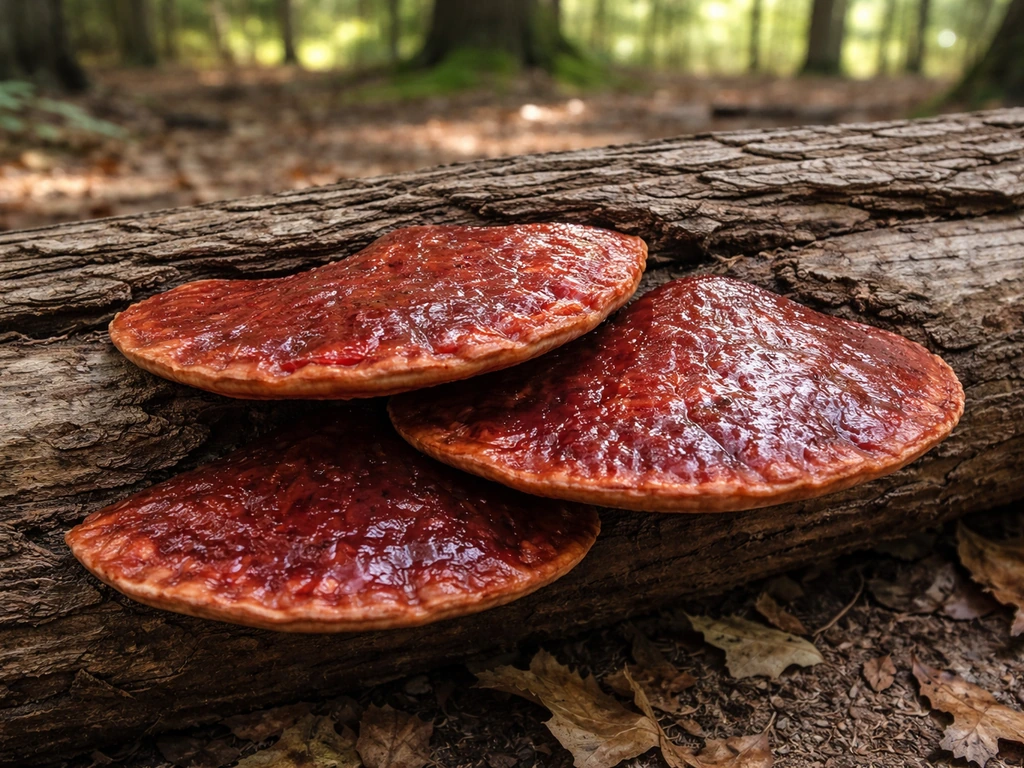
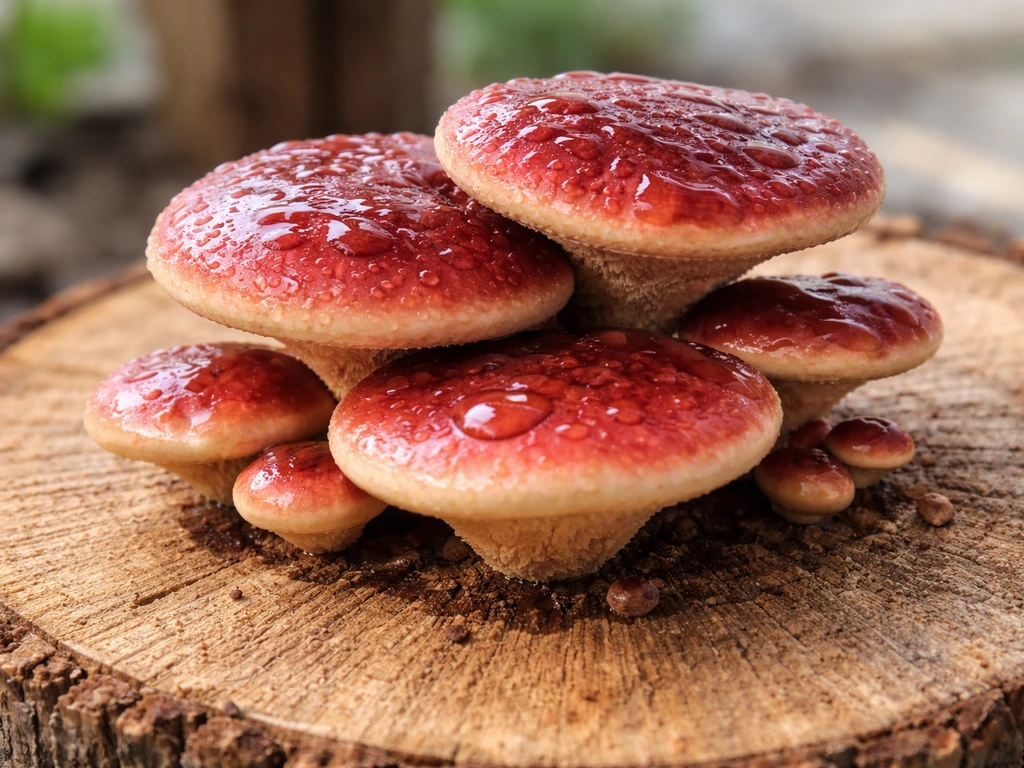
Fistulina hepatica is a bracket fungus that grows in shelf-like, semicircular formations directly from wood, with no stem (stipe). It looks strikingly like a raw piece of beef liver, with a bright red to reddish-brown cap and a pale underside covered in tiny, separate pore tubes rather than the fused tubes you see in most polypores. It is genuinely edible and is considered a table delicacy in parts of Europe, with a mildly acidic, slightly tannic flavor from the oak tannins it picks up.
In the wild, it blank" rel="noopener noreferrer">fruits from late summer through autumn (roughly August through November in the northern hemisphere), almost exclusively on oak and occasionally sweet chestnut or beech. It colonizes both living and dead wood, typically appearing near the base of old trees or on large stumps. That strong wood preference is the first thing to understand before you grow it: this species is deeply tied to oak chemistry, and trying to grow it on straw or coffee grounds the way you might grow oysters is not going to work. Your substrate must be oak or chestnut-based.
Choosing a grow method: indoor vs. outdoor and kits vs. DIY
Your two real options are outdoor log cultivation or indoor sawdust block cultivation. I would strongly recommend starting with logs if you have any outdoor space at all, because the fruiting trigger problem that plagues indoor attempts largely disappears when the logs are outdoors exposed to seasonal temperature changes. A shaded garden bed, a patch beside a shed, or a corner of a woodland garden all work well.
Indoor sawdust block cultivation is possible, and the mycelium will colonize reliably at the right temperature. The hard part is transitioning from colonization to fruiting. Laboratory research has repeatedly found that primordia formation is poorly understood and often unpredictable, with many attempts stalling even after months of correct colonization. If you want to try indoors anyway, the patented method that does work uses a two-stage approach: a dark primordia-induction phase followed by controlled fruiting conditions with light, cooler temps, and high humidity. More on that in the environmental targets section.
| Method | Best for | Difficulty | Timeline to first harvest | Main risk |
|---|---|---|---|---|
| Outdoor log inoculation | Most home growers | Moderate | 12–18 months | Slow colonization, competing fungi |
| Indoor sawdust block | Controlled-environment growers | High | 6–12 months (if fruiting triggers) | Fruiting failure, contamination |
| Pre-made grow kit | Absolute beginners | Low setup, moderate ongoing | Varies by kit | Limited species availability, cost |
Pre-made beefsteak mushroom kits are rare compared to oyster or shiitake kits. If you find one from a reputable spawn supplier, it can be a good starting point. For most people, though, DIY log inoculation with purchased sawdust or plug spawn is the most realistic and cost-effective path. If you want a more straightforward path, this is where you can apply similar outdoor log growing ideas when learning how to grow king trumpet mushroom. Compared to species like king trumpet or king stropharia, which are more forgiving of indoor setups, beefsteak really rewards the patience of outdoor log growing.
Supplies you need before you start
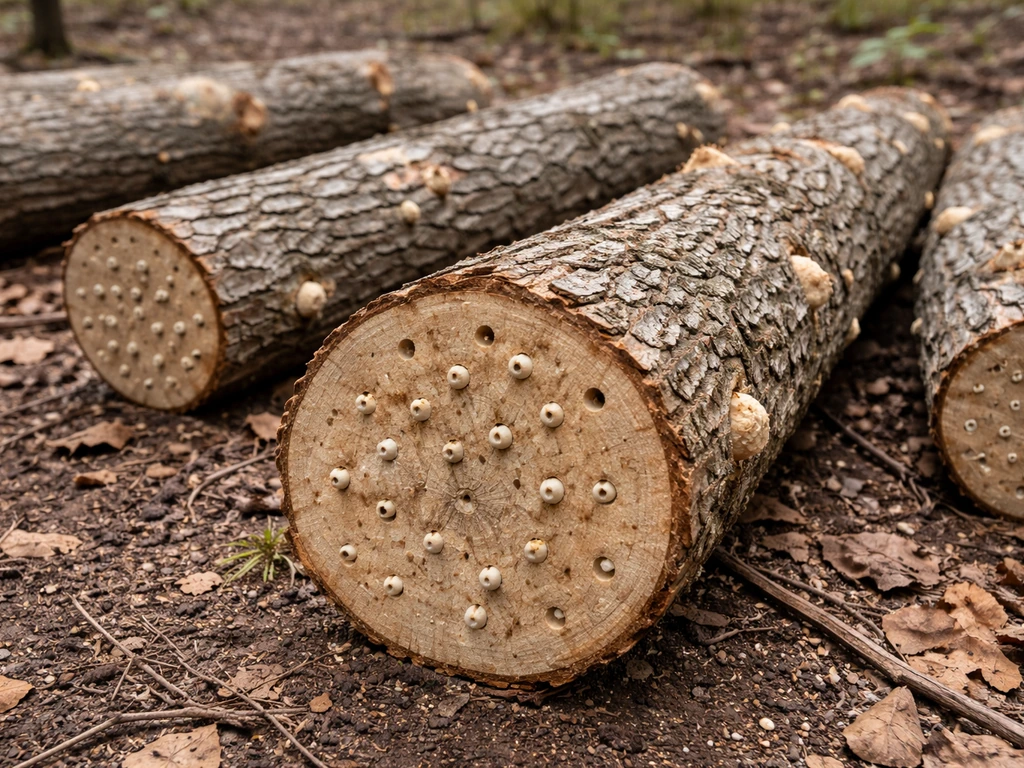
For log cultivation (the recommended starting method), here is what you need to gather:
- Fresh oak logs, 4–8 inches in diameter and 3–4 feet long (sweet chestnut or beech also work). Freshly felled or recently cut logs are ideal and can be inoculated without a lengthy curing period.
- Beefsteak mushroom sawdust spawn or plug spawn from a reputable supplier (look specifically for Fistulina hepatica spawn, not a generic hardwood blend).
- An electric drill with a 5/16-inch drill bit for plug spawn, or a 12mm bit for sawdust spawn inoculation tools.
- Cheese wax or food-grade beeswax to seal inoculation holes after spawn insertion.
- A small wax dauber or old paintbrush for applying wax.
- A rubber mallet or hammer to tap plugs into holes.
- Optional: a hand inoculation tool (syringes or inoculation guns work for sawdust spawn).
For indoor sawdust block cultivation, swap the logs for sterilized oak sawdust blocks. You will need supplemented oak sawdust as your base substrate, a pressure cooker or autoclave capable of reaching 250°F (121°C) for sterilization, polypropylene grow bags with filter patches, and a still-air box or flow hood for sanitary inoculation. Grain spawn or sawdust spawn both work as inoculant for blocks.
Step-by-step grow setup: substrate prep and inoculation
Outdoor log inoculation
- Source your logs. Oak is ideal. Aim for logs cut within the last 2–4 weeks, before competing mold and fungi get established. You do not need to wait weeks before inoculating.
- Drill your holes in a diamond pattern around the log, spacing holes about 6 inches apart lengthwise and 2 inches apart in each row. Stagger rows so holes are offset. For a 3-foot log, you want roughly 30–50 holes total.
- For plug spawn: tap plugs into holes with your mallet until flush with the surface. For sawdust spawn: load your inoculation tool and inject spawn into each hole until slightly overfilled.
- Seal every hole immediately with melted wax using your dauber. Full coverage matters. Any exposed spawn is an invitation for contamination.
- Label your logs with the inoculation date and species.
- Move logs to their outdoor resting spot. Lay them horizontally on wood or on the ground in a shaded, humid location. Under deciduous trees or against a north-facing wall works well. Avoid full sun.
- Keep logs from drying out during colonization. If rainfall is sparse, water logs with a garden hose once a week during the colonization period.
Indoor sawdust block method
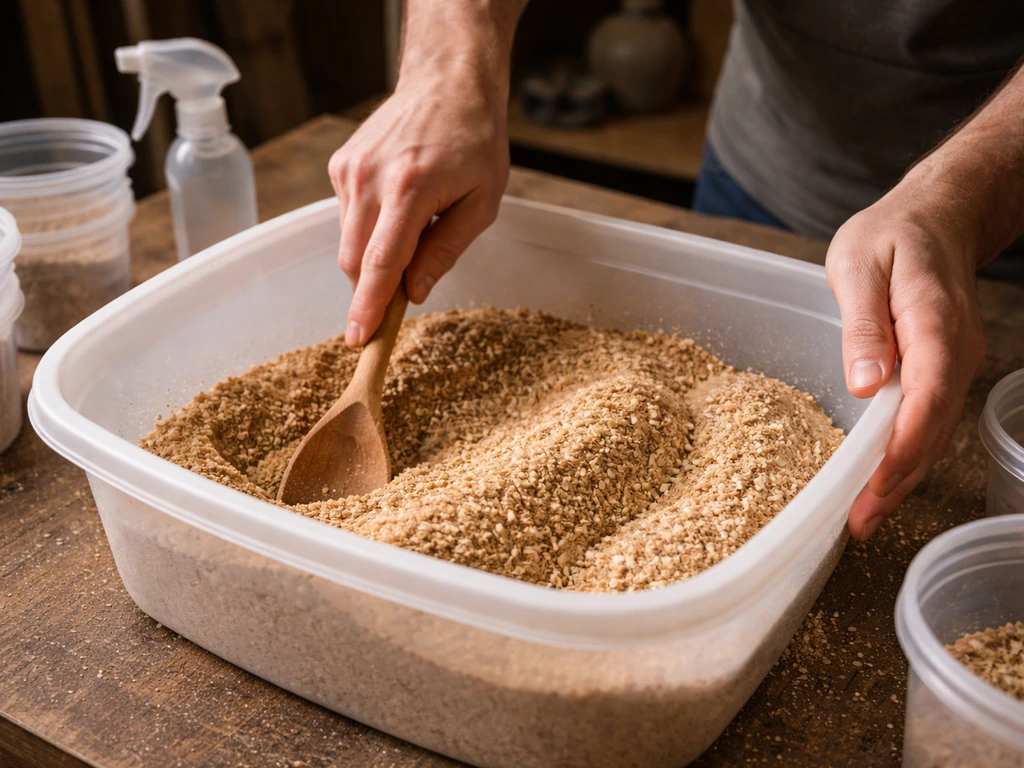
- Mix your substrate: oak sawdust supplemented with wheat bran or rice bran at roughly 10–15% by weight. This increases nutrient availability for the mycelium. Add water until you reach about 60–65% moisture content (a handful squeezed firmly should release only a few drops).
- Load the substrate into polypropylene grow bags and seal or loosely close them.
- Sterilize at 250°F (121°C) for 2.5–3 hours in a pressure cooker. Supplemented sawdust requires full sterilization, not just pasteurization.
- Allow bags to cool to room temperature (below 75°F / 24°C) before inoculating. Do not rush this step.
- In a still-air box or flow hood, inoculate each bag with 5–10% spawn by weight. Mix spawn thoroughly into the substrate, reseal the bag, and leave the filter patch unblocked.
- Label bags with the date and move to your colonization environment.
Environmental targets: temperature, humidity, fresh air, light, and watering
Beefsteak mushroom mycelium colonizes best at 20–25°C (68–77°F). Keep your colonizing logs or blocks within this range. Relative humidity during colonization should stay between 60–90%. For outdoor logs, a shaded humid spot handles most of this naturally. For indoor blocks, a standard grow tent with a humidity controller works well. Full colonization of a sawdust block typically takes 20–50 days under these conditions.
Triggering fruiting is where things get more nuanced. The method that has been shown to work uses a two-stage approach. First, induce primordia in darkness: drop temperatures slightly, maintain high humidity above 70% RH, and reduce or eliminate light. Once you see the first signs of primordia (small reddish nubs forming on the substrate surface or log), shift to the fruiting stage: keep temperatures between 15–20°C (59–68°F), maintain RH at 70% or above, and introduce light at low to moderate intensity (50–1,000 lux is the target range). A single LED grow light on a timer, or a shaded outdoor position that receives indirect daylight, gives you the right light cue.
Fresh air exchange matters throughout fruiting. CO2 levels above 1,000 ppm cause elongated, malformed growth. Open your tent or grow space for 10–15 minutes a few times a day, or use a small fan on a timer running at low speed to keep air moving without drying the substrate out. For outdoor logs, natural airflow handles this automatically.
Watering and misting: for indoor blocks or fruiting chambers, mist the walls and floor of your chamber rather than the developing mushrooms directly. Wet mushroom surfaces encourage bacterial problems. For logs, soaking in water for 12–24 hours (called a "cold shock") is a widely used fruiting trigger technique and can encourage flush timing on logs that have fully colonized.
Harvest timing, yields, and how to pick for repeat flushes
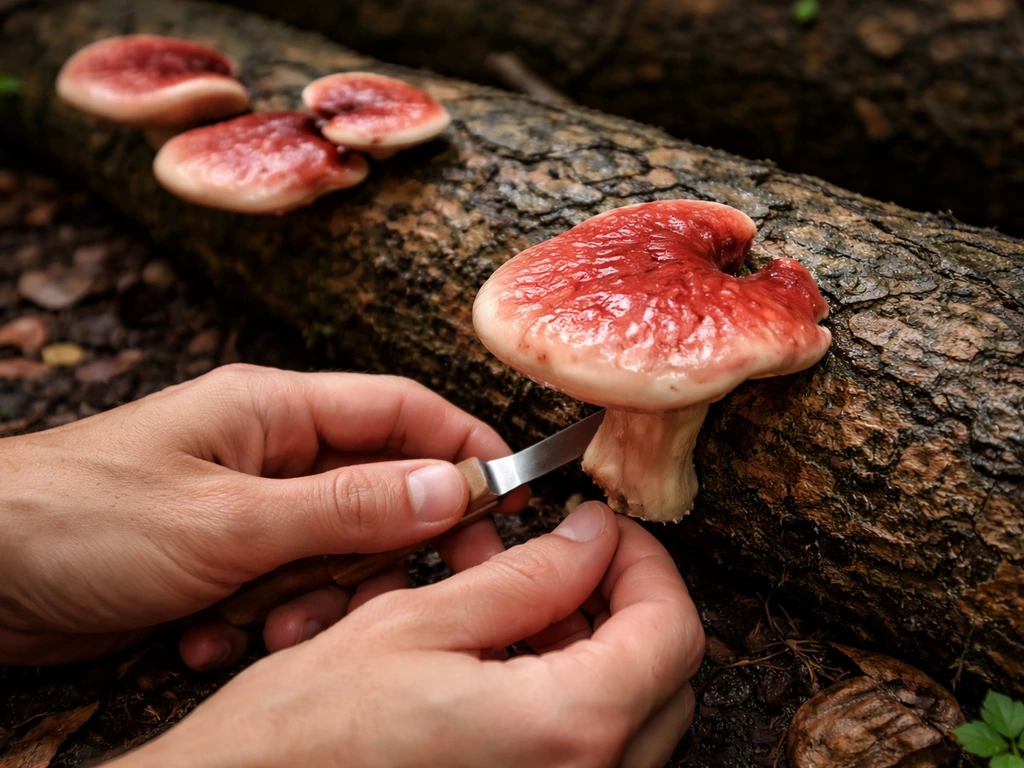
Outdoor logs typically take 12–18 months from inoculation to produce their first flush, and fruiting usually aligns with autumn temperatures in your region. Do not panic if nothing happens during the first year. Indoor sawdust blocks can potentially fruit faster (6–12 months), but only if you can successfully trigger primordia, which is not guaranteed.
Harvest beefsteak mushrooms when the brackets are fully developed and before the edges begin to dry or crack. The flesh should still be firm and moist. Because this species grows as a shelf with no stipe, you harvest by cutting or twisting the bracket cleanly from the substrate. Use a clean knife and cut as close to the log or block surface as possible without gouging the wood.
Yields from a single log are modest by mushroom standards. You might get one to three flushes over several seasons from a healthy log. Logs generally produce for 3–5 years before the wood is exhausted. Indoor blocks may produce one or two flushes. Between flushes, rest your logs or blocks, keep them moist but not waterlogged, and allow the mycelium to recharge. For outdoor logs, natural seasonal cycles often handle flush timing for you.
Troubleshooting: slow growth, contamination, pests, and strange forms
Slow or no colonization
This is the most common complaint. First, check your temperature. If the colonization area is below 18°C consistently, mycelium growth will slow dramatically. For indoor blocks, consider moving them somewhere warmer. For logs in winter, expect near-dormancy until temperatures warm. Second, check your spawn quality. Old or poorly stored spawn produces slow, patchy colonization. Always buy from a supplier that ships with cold packs and uses fresh production dates.
Contamination
Green, black, or orange mold on an indoor block means contamination, almost certainly from Trichoderma, Aspergillus, or similar competitors. Remove the affected block immediately and bag it before it can spread spores to other blocks. Do not try to salvage a heavily contaminated block. For logs, surface mold is less alarming because the beefsteak mycelium inside the log is protected, but persistent mold growth around inoculation holes often means the wax seal failed. Reseal any open holes with fresh wax.
Fruiting failure indoors
If your block is fully colonized but nothing is happening, try the two-stage trigger more aggressively. Drop your temperature to 15–18°C, cut light to zero for 5–7 days, then reintroduce indirect light and a small temperature bump while maintaining humidity above 70%. If nothing forms after 4–6 weeks of this, it is worth being honest with yourself: indoor primordia induction for this species is genuinely unpredictable. This is not a beginner failure, it is a species-level challenge. Some experienced growers have reported that outdoor placement of colonized blocks during autumn, letting natural cooling trigger fruiting, works better than any controlled indoor attempt.
Malformed mushrooms
Long, thin, elongated brackets that do not develop normal shape almost always mean CO2 is too high. Increase your fresh air exchange immediately. Mushrooms that form but then dry out before reaching harvest size mean humidity is too low or air movement is too strong and direct. Aim your fan away from the substrate and mist more frequently. Wet, slimy brackets that collapse are a sign of bacterial contamination, usually from overwatering the mushrooms themselves. Mist the environment, not the fruiting bodies.
Pests
Fungus gnats are the most common pest in indoor grows. Their larvae damage mycelium and create entry points for bacterial contamination. Yellow sticky traps near your grow area catch adults. For outdoor logs, slugs are the main problem, especially during wet autumn fruiting periods. Check logs at night during fruiting season and physically remove slugs. Raising logs slightly off the ground on wooden pallets or supports helps.
Storing your harvest, and where to go from here
Fresh beefsteak mushrooms store in the refrigerator for 3–5 days wrapped loosely in a paper bag or cloth. They do not dehydrate particularly well due to their high water content and the texture changes significantly, so fresh use is really the best option. If you have a large harvest, cooking and freezing works reasonably well.
Once you have a successful first flush, think about what you want to improve for the next cycle. For most growers, the upgrades worth making are: sourcing better-quality spawn (ideally from a supplier who produces Fistulina hepatica-specific strains rather than generic hardwood spawn), improving your humidity control with a proper inkbird controller rather than manually misting, and adding more logs to your outdoor setup to hedge against individual log failure. If you have had one successful outdoor log season, adding a second batch of logs every autumn gives you a rolling supply.
For advanced growers interested in indoor work, the real upgrade is environmental automation: a controller that manages both temperature and humidity simultaneously, paired with a CO2 meter so you can actually measure fresh air exchange rather than guessing. Running CO2 below 1,000 ppm consistently during fruiting makes a noticeable difference to bracket development.
If you enjoy working with wood-loving specialty species, king trumpet mushrooms and king stropharia are worth exploring alongside beefsteak, as both offer more predictable fruiting triggers and give you useful practice with substrate formulation and environmental management that translates directly back to this species. If you are also curious about how to grow king mushrooms like these, the main factors to dial in are substrate, temperature swings, and fresh-air exchange king trumpet mushrooms and king stropharia.
If you want a species that is easier to manage indoors, learning how to grow king stropharia mushrooms can be a great next step alongside your beefsteak setup.
Beefsteak mushrooms reward patience more than any other species I have grown. The timeline is long, the fruiting trigger is finicky, but there is something genuinely satisfying about pulling a deep-red bracket off a log you inoculated yourself. Start with good oak logs, good spawn, and a shaded humid outdoor space, and give it the time it needs. If you are also interested in stinkhorn mushrooms, you can use similar habitat-minded thinking, but the cultivation details are different, so follow a dedicated guide for how to grow stinkhorn mushroom.
FAQ
Can I grow beefsteak mushrooms on straw, coffee grounds, or general hardwood sawdust like oysters?
Beefsteak is not a “wood-based oyster substitute.” It needs oak or sweet chestnut chemistry, and the fungus generally performs best on solid wood logs that were inoculated and then left to experience seasonal swings outdoors. If you must use blocks indoors, use sterilized supplemented oak sawdust blocks, not straw, hardwood chips, or coffee grounds.
How should I store spawn, and how do I know if it is too old to use?
Do not refrigerate spawn on its own for long periods unless the supplier explicitly says it is acceptable. Instead, keep it within the temperature range and storage window stated on the package, then inoculate promptly. Old, poorly stored spawn is one of the biggest causes of slow, patchy colonization mentioned in the troubleshooting.
Should I keep my logs constantly wet while they colonize, or only soak them later?
For logs, aim to keep the inoculation zone from drying out during colonization, but avoid soaking the whole log weekly. A long cold soak (12 to 24 hours) is mainly for fruiting encouragement after the wood is well colonized. Overly wet conditions during colonization increase bacterial risk and can lead to failure later.
What is the realistic timeline for the first harvest depending on when I inoculate?
If you inoculate in spring, the first flush may not line up until the following autumn, even if colonization seemed to go well. Weather and wood moisture drive fruit timing outdoors, so a “no mushrooms in 12 months” situation is often normal rather than a sign to restart immediately.
My blocks formed early reddish nubs, then nothing happened. What should I adjust first?
If you see primordia nubs but they stall, many growers benefit from tightening the fruiting-stage humidity and fresh air balance rather than repeatedly misting the mushrooms. Focus on keeping RH at 70% or above, while running short, gentle air exchange to prevent CO2 buildup, since high CO2 can distort growth and prolong stalled development.
What kind of light is actually necessary to get beefsteaks to fruit?
A small, shaded outdoor site with indirect daylight is often enough, since light is mainly a cue during the fruiting stage. If you are indoors, use low to moderate light on a timer and avoid blasting the substrate with direct intensity or heat, which can dry surfaces and stress developing brackets.
Can I mist the mushrooms directly to raise humidity?
Yes, but do it carefully. Direct moisture on developing brackets can worsen bacterial problems, so mist the walls and floor of the fruiting chamber and keep water off the mushroom surfaces. Only use heavier water techniques like log cold shocks after colonization is complete.
How can I tell if CO2 is too high, and what is the fastest fix?
CO2 spikes tend to show up as long, thin, elongated brackets. If that happens, increase fresh air exchange immediately, then keep it steady rather than doing large, frequent bursts that dry the substrate. A fan on a timer at low speed, aimed away from the substrate, is usually the safest adjustment.
Can I salvage a contaminated indoor block by cutting off the mold?
If you get mold on indoor blocks, remove the affected block right away and prevent spore spread to others by bagging it. Heavily contaminated blocks should not be “rescued,” because competitors like Trichoderma can leave conditions that keep future flushes from working even if the beefsteak mycelium later returns.
What can I do about fungus gnats besides using sticky traps?
Fungus gnats are typically a sign of a persistent moisture-rich growing environment and can spread contamination pressure by damaging mycelium with larvae. Use yellow sticky traps for monitoring adults, then reduce excess standing moisture and improve airflow so the grow area is less hospitable to larvae.
How do I know the right harvest moment, and does harvest method affect future flushes?
Beefsteak brackets are best harvested when fully developed and before the edges dry or crack, and you should cut cleanly close to the wood without gouging. Letting them over-age can make texture decline and can reduce the quality of subsequent cycles by leaving debris behind that fosters contaminants.
If my indoor setup will not trigger primordia, is it worth switching to outdoor conditions mid-cycle?
If indoor fruiting keeps failing despite solid colonization, consider moving colonized blocks outdoors during the right season for natural cooling cues. Inducing primordia reliably indoors can be unpredictable, so outdoors can act as a built-in environmental controller (temperature swings, humidity dynamics, and airflow).
How do I plan for yields if each log only gives a small number of flushes?
For log setups, modest yields per log are normal, so scaling is about redundancy. Add more logs in autumn batches to hedge against individual log failure, and expect activity to follow multi-season patterns rather than one-off harvests.