
Yes, you can grow lion's mane mushrooms at home, and it's one of the most rewarding grows you'll do. The full process from inoculation to first harvest takes roughly 4 to 8 weeks depending on your setup, and once you understand what this species actually wants (it's a bit pickier than oysters), the rest falls into place. This guide walks you through every stage: materials, substrate prep, inoculation, incubation, fruiting, harvesting, and fixing the things that go wrong.
Lion’s Mane Mushrooms How to Grow Indoors Step by Step
Marcus Holloway
17 Apr 2026
What you need before you start
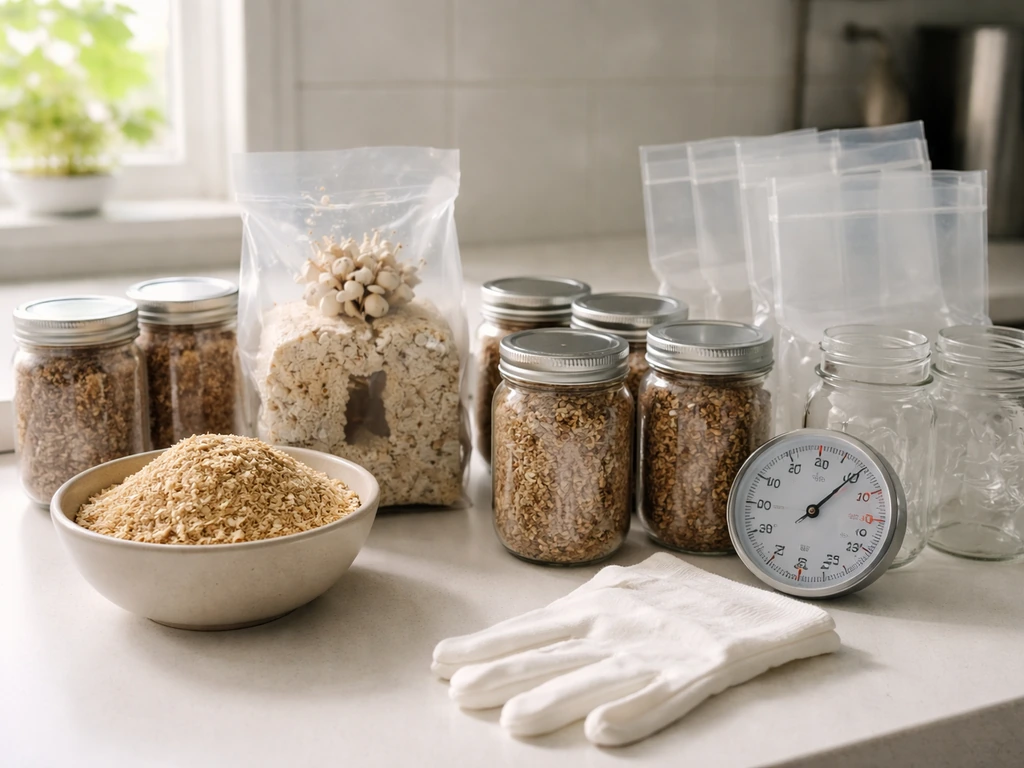
Lion's mane (Hericium erinaceus) is a wood-loving species, so everything on your shopping list revolves around that. Here's what you'll need to pull together before you touch any substrate.
- Lion's mane grain spawn (pre-colonized grain jars or bags) or a ready-to-fruit grow kit if you want to skip substrate prep entirely
- Hardwood sawdust (oak, maple, or beech work best) as your base substrate
- Wheat bran or oat bran (10–20% by dry weight) to add nutrients
- Polypropylene grow bags with filter patches, or wide-mouth mason jars with filter lids
- A large stockpot or pressure cooker for pasteurization or sterilization
- A still-air box (SAB) or flow hood for inoculation to keep contamination out
- A calibrated hygrometer and thermometer for your fruiting space
- A spray bottle or ultrasonic humidifier
- A timer-controlled fan for fresh air exchange
If you're brand new to this, the fastest path to your first flush is a complete beginner setup for lion's mane at home, which covers the kit-based approach and removes most of the substrate prep variables. But if you want to build from scratch, keep reading.
Indoor vs outdoor: which setup is right for you
The honest answer is that most home growers should start indoors. Indoor growing gives you control over temperature, humidity, and fresh air exchange, and lion's mane needs all three dialed in more tightly than a lot of other species. That said, outdoor growing on logs or totems is absolutely viable if you have the right conditions and some patience.
Indoors, you're looking at year-round growing, faster timelines (weeks, not months), and the ability to hit precise targets. The tradeoff is you have to actively manage your environment. Outdoors, the setup is more hands-off once established, but you're dependent on seasonal temperatures and natural rainfall. An outdoor lion's mane log prefers light shade, consistent moisture, and good air movement, and it can take 6 to 12 months before you see your first fruiting body. If you want to go that route, there's a detailed walkthrough on how to grow lion's mane mushrooms outdoors that covers log selection and plug inoculation specifically.
| Factor | Indoor | Outdoor (Log/Totem) |
|---|---|---|
| Timeline to first harvest | 4–8 weeks | 6–12 months |
| Environmental control | High (you manage it) | Low (weather-dependent) |
| Setup cost | Moderate | Low after initial log prep |
| Year-round growing | Yes | Seasonal |
| Effort per grow | Active management | Low once established |
| Best for | Beginners wanting fast results | Growers with outdoor space |
For this guide, the focus is indoor cultivation. It's repeatable, controllable, and you'll learn the species much faster.
Picking and preparing your substrate
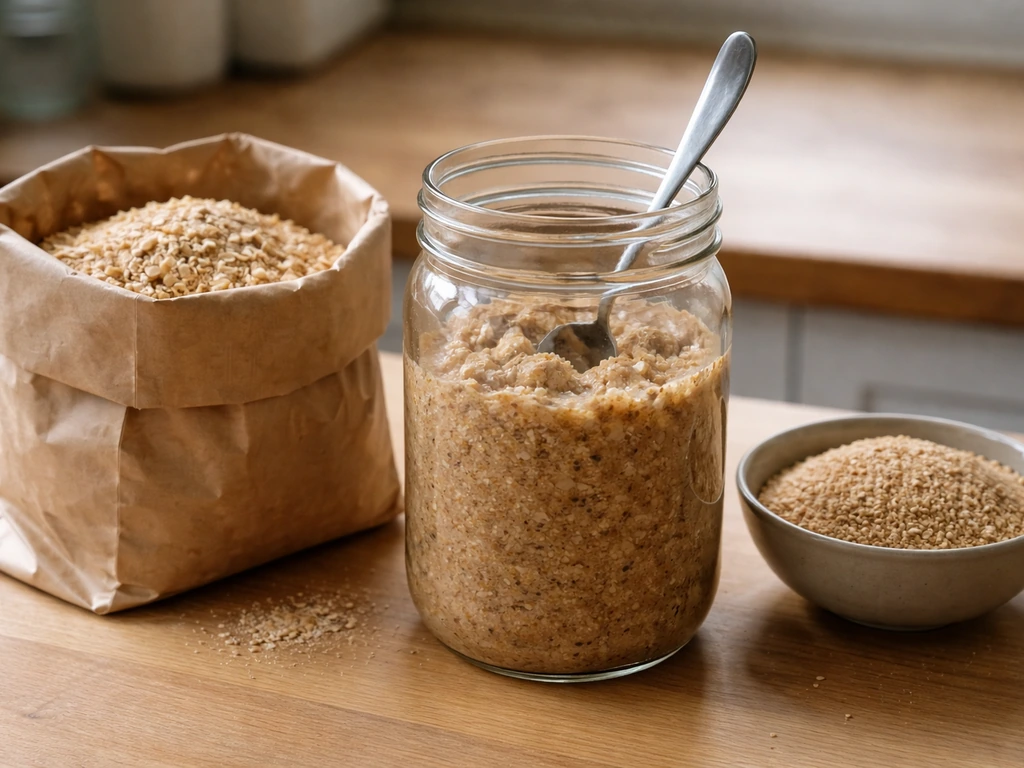
Lion's mane grows on hardwood in the wild, and your substrate should mirror that. The standard go-to is a hardwood sawdust and bran mix: roughly 80–90% hardwood sawdust (oak or maple preferred) with 10–20% wheat bran or oat bran added for nutrition. That bran addition is what puts this substrate in 'enriched' territory, and it's also what determines how you treat it thermally.
Pasteurization vs sterilization: which one do you need
This is where a lot of beginners get tripped up. Plain straw or low-nutrient substrates can get away with pasteurization at 160–180°F (71–82°C) for 1 to 2 hours. But once you add bran or any nutrient supplement to your hardwood mix, you've created an environment where competing molds absolutely love to take hold. That means you need full sterilization in a pressure cooker at 15 PSI for 2.5 hours for quart jars or up to 4 hours for larger bags. Skipping sterilization on an enriched substrate is one of the most common reasons beginner grows get contaminated.
Target a final substrate moisture content of around 60–70%. The squeeze test is your friend: grab a handful and squeeze hard. You want just a few drops of water coming out, not a stream. If water pours out freely, your mix is too wet and you'll invite rot and contamination. If nothing comes out at all, it's too dry and colonization will be slow.
After sterilization, let your bags or jars cool completely at room temperature before touching them. This takes about 1 to 2 hours for jars and longer for large bags. Inoculating into hot substrate will kill your spawn, full stop. Aim for the substrate to feel barely warm or room temperature before you proceed. The target substrate pH range is 5.5 to 6.5, which hardwood mixes naturally fall into without any adjustment.
Inoculation: getting the spawn into the substrate
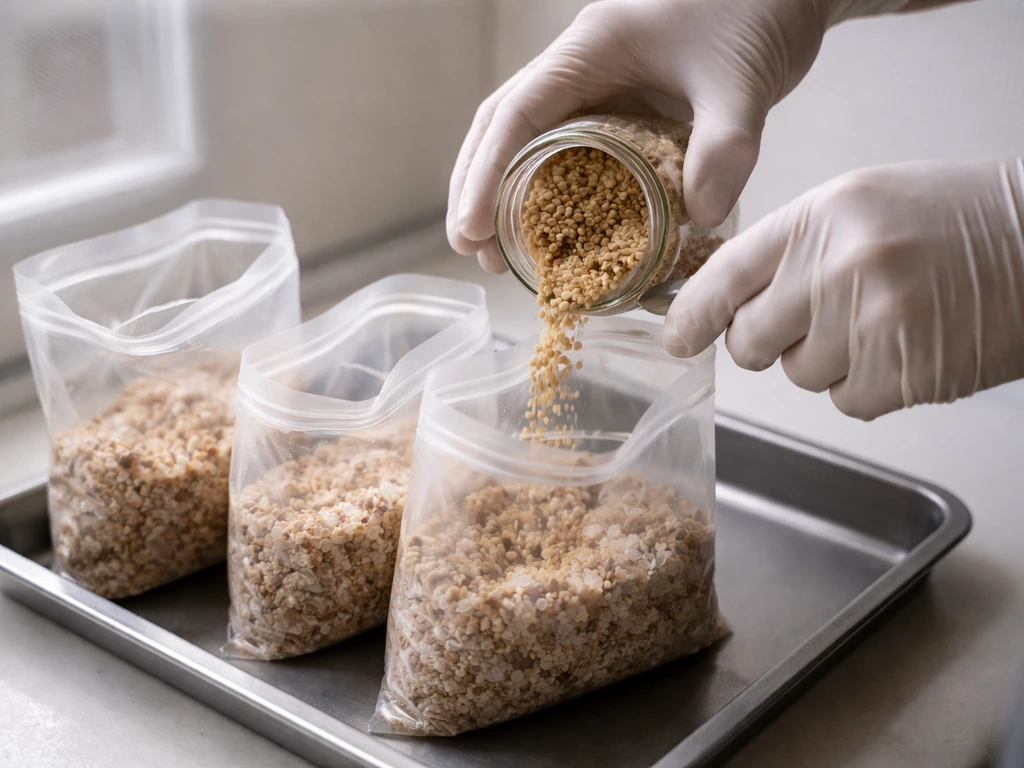
Inoculation is the step where contamination risks are highest, so do everything you can to minimize exposure. Work inside a still-air box or in front of a flow hood if you have one. Wipe down your work surface with 70% isopropyl alcohol, flame-sterilize any metal tools until they glow, and let them cool before touching spawn. Wear gloves.
The general spawn rate for lion's mane is 10–20% of substrate weight. More spawn means faster colonization and a smaller window for contaminants to take hold. If you're using grain spawn in bags, cut or unseal the spawn bag, break up any clumps, pour the grain directly into your cooled substrate bag, mix briefly if possible, and seal the bag. For jars, use a syringe inoculation port or quickly open and add spawn then replace the lid.
One thing worth knowing: if you prefer to start from plugs rather than grain spawn, the process is a bit different and works especially well for log-based grows. There's a full guide on how to grow lion's mane mushrooms from plugs if you want to explore that method alongside this one.
Incubation: waiting for the mycelium to colonize
After inoculation, your bags or jars go into a warm, dark, relatively still space to colonize. This is the incubation phase, and lion's mane mycelium is slower and can look a little underwhelming compared to oysters or shiitake. Don't panic.
Temperature and timing
Keep incubation temperature between 20–24°C (68–75°F). At this range, you're looking at 14 to 21 days for full colonization of a standard quart jar or 2 to 5 lb bag. Lion's mane mycelium can look thin and wispy or even a little sparse compared to other species, and new growers sometimes mistake it for contamination. The mycelium is typically white to off-white and may appear 'ropy' or have a feathery texture rather than the thick, dense look of oyster mycelium. As long as you're not seeing green, black, pink, or wet slimy patches, you're likely fine.
Don't open bags or jars during incubation. Fresh air exchange is not needed at this stage and every time you open the container, you risk contamination. Keep humidity in the incubation space moderate (around 70–80% RH is fine), and avoid direct light. Check for contamination by looking through the bag or jar wall without opening it.
What success looks like
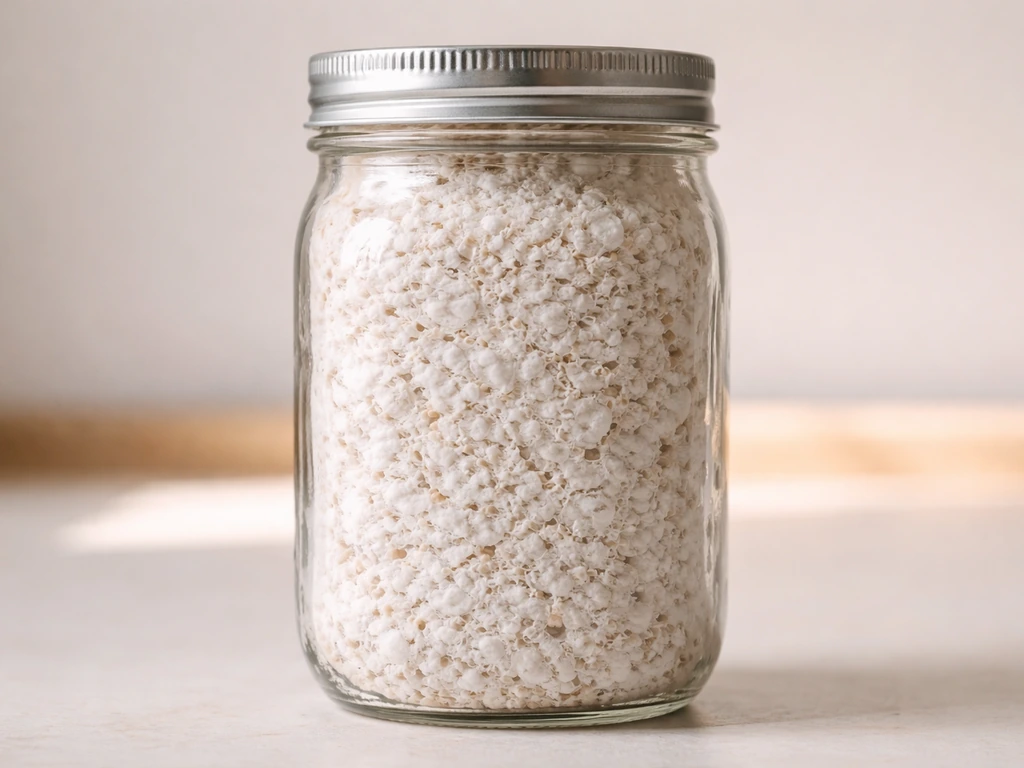
Full colonization means the entire substrate block is uniformly covered in white mycelium with no visible green, black, or other discoloration. The block should feel firm and consolidated. At this point, you're ready to trigger fruiting.
Fruiting conditions: the environment your lion's mane actually needs
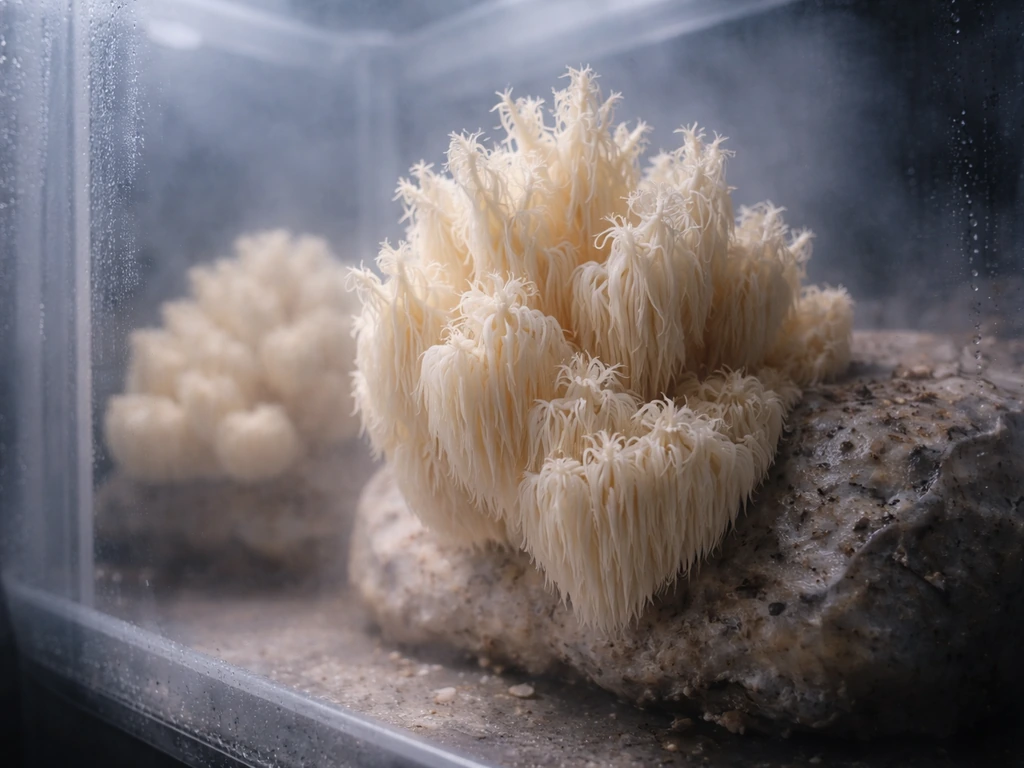
This is where lion's mane separates itself from easier species. It's particularly sensitive to CO2, temperature swings, and low humidity, and getting these parameters right is the difference between a beautiful white pom-pom and a sad, malformed yellow blob.
Temperature
To trigger pinning (primordia initiation), drop the temperature from your colonization range down to around 50–65°F (10–18°C). This temperature drop is a key signal to the fungus that it's time to fruit. Fruiting can proceed at temperatures between 18–22°C (64–72°F), but that initial cold shock helps dramatically. Some growers put colonized blocks in the refrigerator for 12–24 hours before moving them to the fruiting chamber to simulate this drop.
Humidity
Target relative humidity of 85–95% in the fruiting chamber, consistently. ATTRA / NCAT recommends aiming for about 85, 95% relative humidity during the fruiting stage 85–95% relative humidity during the fruiting chamber. This is non-negotiable for lion's mane. Below 85% and your fruiting bodies will develop brown tips and dry out. An ultrasonic humidifier on a timer works well, or you can mist the chamber walls (not the mushroom directly) several times a day. A calibrated hygrometer tells you where you actually are, not where you think you are.
Fresh air exchange and CO2
Lion's mane is extremely sensitive to elevated CO2. High CO2 levels will keep the mycelium locked in vegetative growth, prevent pins from forming, or cause existing pins to grow long and spindly without developing the characteristic icicle teeth. You need fresh air exchange of roughly 5 to 8 times per hour in the fruiting chamber. A small fan on a timer pointed at the chamber walls (not directly at the fruiting bodies) is the practical solution. If you're growing in a plastic tub or monotub, drill plenty of holes with polyfill stuffing and fan the chamber manually several times a day if you don't have automated airflow.
Light
Lion's mane needs indirect light to orient its growth, but it doesn't need much. 12 hours of indirect natural light or a simple LED lamp on a timer is plenty. Direct intense light can dry out the surface, so diffuse is better than direct.
| Parameter | Colonization (Incubation) | Fruiting |
|---|---|---|
| Temperature | 20–24°C (68–75°F) | 18–22°C (64–72°F), cold shock to 10–15°C to trigger pins |
| Relative Humidity | 70–80% | 85–95% |
| Fresh Air Exchange | Minimal / none | 5–8 exchanges per hour |
| Light | Dark | 12 hrs indirect light |
| CO2 | Not critical | Must be kept low (high CO2 prevents pinning) |
| Timeline | 14–21 days | Pins in 5–10 days, harvest in 5–7 more days |
Harvesting at the right time, cleaning, and getting more flushes
When to harvest
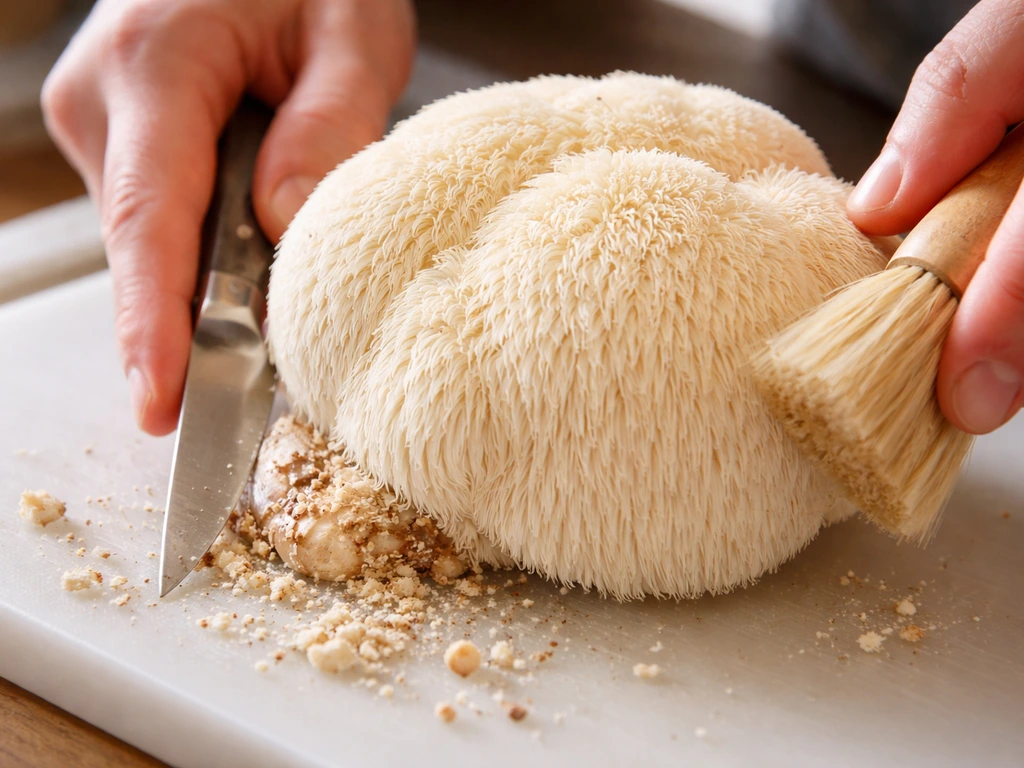
Timing your harvest correctly makes a big difference in flavor and texture. The consensus from both research and experienced growers is to harvest when the spines (the icicle-like teeth) are around 1/4 to 1/2 inch long (roughly 0.5 to 1 cm) and the mushroom is still white to off-white or creamy in color. At this stage the flesh is dense, firm, and mild in flavor. If you wait until the teeth are drooping or the color has shifted toward yellow, you've gone past peak. Yellowing is a clear sign the mushroom is overripe, and the flavor becomes noticeably bitter.
To harvest, grip the base of the fruiting body and twist gently while pulling, or use a clean knife to cut at the base. Don't leave partial stubs behind as they tend to rot and can contaminate the substrate.
Cleaning and using your harvest
Lion's mane doesn't need much cleaning. A soft brush or dry paper towel is usually enough to remove any substrate bits. Avoid soaking it in water as it's already high in moisture content. Use it fresh within 3 to 5 days, or slice and sauté immediately then freeze for longer storage.
Getting a second and third flush
After your first harvest, remove all mushroom stubs and any brown or soft material from the block surface. Let the block rest for 5 to 7 days in slightly lower humidity (around 75–80% RH) to allow the mycelium to recover and recharge. Then resume fruiting conditions. Most blocks will give you 2 to 3 flushes total, with the first being the largest. Each subsequent flush tends to be smaller. If the block starts showing signs of green or black contamination between flushes, retire it.
Troubleshooting: what went wrong and how to fix it
Most lion's mane problems fall into four categories: slow or no colonization, no pins forming, malformed or discolored fruiting bodies, and contamination. Here's how to read the signs and respond.
No growth or very slow colonization
If you see almost no mycelium growth after 2 weeks, the most likely causes are substrate that was too hot when inoculated (killed the spawn), incubation temperature too low, or dead spawn. Lion's mane colonizes at roughly 3 mm per day under good conditions, so you should see visible progress within 7 to 10 days. If the spawn looks healthy but growth is almost invisible, raise the incubation temperature slightly toward the upper end of the 20–24°C range. If there's no growth at all by day 14, the spawn was likely compromised.
Fully colonized block but no pins forming
This is the most common frustration with lion's mane, and it almost always comes down to CO2 or temperature. First, check your fresh air exchange: if your fruiting chamber is sealed or barely ventilated, CO2 buildup will keep the mycelium locked in vegetative state. Increase airflow immediately. Second, make sure you gave the block a cold shock before fruiting. If you skipped that step, try refrigerating the block for 12 to 24 hours and then returning it to fruiting conditions. Third, double-check humidity: if RH is dropping below 85%, pins may initiate but stall out quickly.
Malformed, spindly, or browning fruiting bodies
Long, thin, antler-like growths without developed teeth = too much CO2, not enough fresh air. Increase your fresh air exchange rate. Brown tips or a browning overall color usually means low humidity: get that RH back up to 85–95% fast. Yellowing after harvest is normal aging, but yellowing while still on the block means it's overripe and you should harvest immediately. One tricky quirk worth knowing: lion's mane can start fruiting inside the bag before you even open it for fruiting. If you see pins forming against the plastic, open the bag or cut a hole to give those pins access to fresh air immediately.
Contamination (green, black, or pink patches)
Green mold (Trichoderma) is the most common contaminant and almost always enters during inoculation or through a compromised bag seal. If you see green at inoculation points within the first few days, it likely came in with the spawn or during the inoculation process. If green appears after full colonization, it's usually a bag breach. Isolate contaminated blocks immediately and remove them from your grow space. Do not open them inside your growing area. Post-mortem: sterilize more thoroughly next time, improve your inoculation hygiene, and make sure bags have no pinholes before filling.
If you want to go deeper on any of these failure modes or explore the broader world of home cultivation, the community-focused guides on sites like Len's Island mushroom growing mechanics can also offer a different perspective on how variables interact across different growing contexts.
Realistic timeline from start to harvest
Here's what a typical indoor grow looks like from start to finish so you know what to expect at each stage.
- Day 0: Mix and sterilize substrate, allow to cool for 1–2 hours, inoculate with grain spawn in a clean environment
- Days 1–21: Incubation at 20–24°C in a dark, still space. Check for contamination through the bag wall without opening. Expect visible white mycelium progress by day 7–10 and full colonization by day 14–21
- Day 21–22: Cold shock. Refrigerate or move to a cooler space (10–15°C) for 12–24 hours to trigger pinning
- Days 22–30: Move to fruiting chamber at 18–22°C, 85–95% RH, with fresh air exchange 5–8 times per hour and indirect light 12 hours per day. First pins should appear within 5–10 days
- Days 30–40: Fruiting bodies develop. Harvest when spines reach 1/4 to 1/2 inch and the mushroom is still white to creamy. Total time from inoculation to first harvest is typically 30–45 days
- Days 40–55: Rest period (5–7 days at lower humidity), then second flush under the same fruiting conditions
Lion's mane rewards patience and attention to detail. The species is not forgiving of CO2 buildup or humidity swings, but when those parameters are right, the results are genuinely impressive: dense, white, cascading fruiting bodies with a flavor and texture unlike anything else in your kitchen. Get your environment dialed in, keep your substrate prep clean, and don't skip the cold shock. Those three things alone will solve 80% of the problems people run into.
FAQ
Can I grow lion’s mane in a grow bag instead of jars, and do I need different prep times?
Yes, grow bags work well, but larger volumes take longer to sterilize and cool. Plan for the upper end of sterilization and cooling times, and make sure the bag has no pinholes or weak seals before you fill it, because breaches are a common source of green mold.
What’s the safest way to measure substrate moisture beyond the squeeze test?
Use a cheap digital scale if you can, weigh a portion before and after drying it in an oven at low heat (or leaving it to dry thoroughly) to calculate true moisture percentage. The squeeze test is useful, but it can be misleading if your bran is clumpy or your sawdust has variable absorbency.
How do I adjust fresh air exchange if I’m getting pinning but no tooth development?
If you see pins starting but they stretch and never form the characteristic teeth, you likely have excess CO2. Increase fresh air exchange (more fan cycles or more tubing/holes) and keep humidity at 85 to 95% so you’re not trading CO2 for dryness.
Should I remove the block from the bag once it’s colonized and before fruiting?
Often yes, if the bag is tightly sealed or the mycelium is starting to fruit against the plastic. If pins form inside the bag, open the bag or cut a clean access hole immediately, then transfer to your fruiting setup so the fruits get direct fresh air.
What should I do if my lion’s mane looks healthy during incubation, but it stalls right when I start fruiting?
Check for missed cold-shock timing and unstable humidity. Also verify that your chamber temperature does not swing upward during the first days of fruiting, because lion’s mane can delay pin development when conditions drift away from the target range.
Is it okay to mist the fruiting bodies directly to boost humidity?
Generally avoid wetting the mushrooms themselves. Mist the chamber walls or use controlled humidification, because direct misting can increase surface saturation and encourage bacterial spotting or uneven texture.
How can I tell the difference between normal ropy white mycelium and early contamination?
Normal lion’s mane mycelium stays white to off-white and can look feathery or rope-like. Contamination typically shows colored patches (green, black, pink), wet slimy areas, or a sudden texture shift that spreads quickly across surfaces.
What’s the best time of day to harvest, and does light exposure matter?
Harvest when spines are about 0.5 to 1 cm and the mushroom is still creamy white, regardless of time of day. Light mostly affects orientation and drying risk in the chamber, so avoid leaving fruits under intense direct light before picking.
How should I store lion’s mane for best texture and flavor after harvest?
For short storage, keep it dry-cool (not soaking) and plan to use within 3 to 5 days. For freezing, slice and cook first if you want better texture later, and portion before freezing to reduce thawing cycles.
How many flushes should I realistically expect from one block?
Many indoor blocks produce 2 to 3 flushes, with the first usually the biggest. If you see green or black signs between flushes, retire the block rather than trying to force additional fruiting under the same conditions.
When should I stop troubleshooting and replace the spawn or block?
If you see no meaningful colonization progress by day 14, or you get persistent contamination that appears at the same inoculation points, assume a process hygiene or spawn viability issue. At that point, replace the suspect material and restart with improved sterilization, sealing checks, and a cleaner inoculation workflow.