
Growing Liberty cap mushrooms (Psilocybe semilanceata) at home is genuinely one of the most challenging cultivation projects you can take on. Unlike Psilocybe cubensis, which is famously forgiving on grain or coco coir, Liberty caps have no reliable, repeatable indoor fruiting protocol that works consistently for home growers.
How to Grow Liberty Cap Mushrooms: A Step-by-Step Guide
Marcus Holloway
29 May 2026
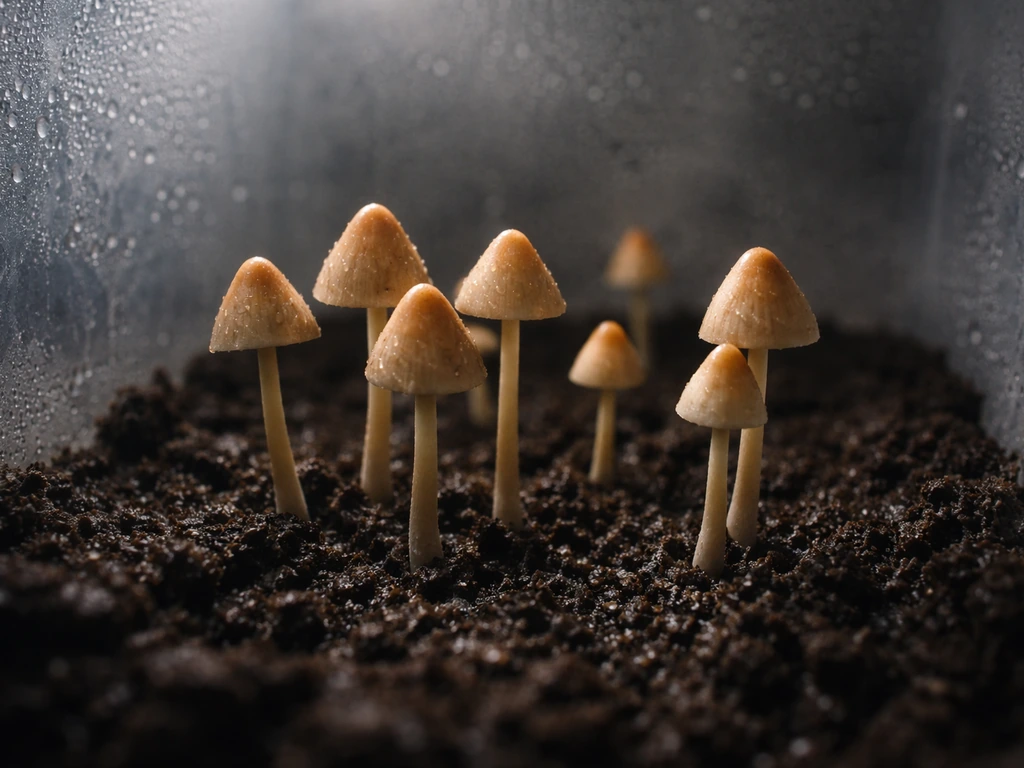
What does exist is a research-backed framework: a sterile grain and compost substrate, a peat/chalk casing layer, very specific cool and humid conditions mimicking their autumn grassland habitat, and a lot of patience. If you are in a jurisdiction where this is fully legal, this guide walks you through the entire process as clearly as possible. If you are not, the most important thing you can do first is read the legality section below before anything else.
What Liberty Caps Are and What You'll Need
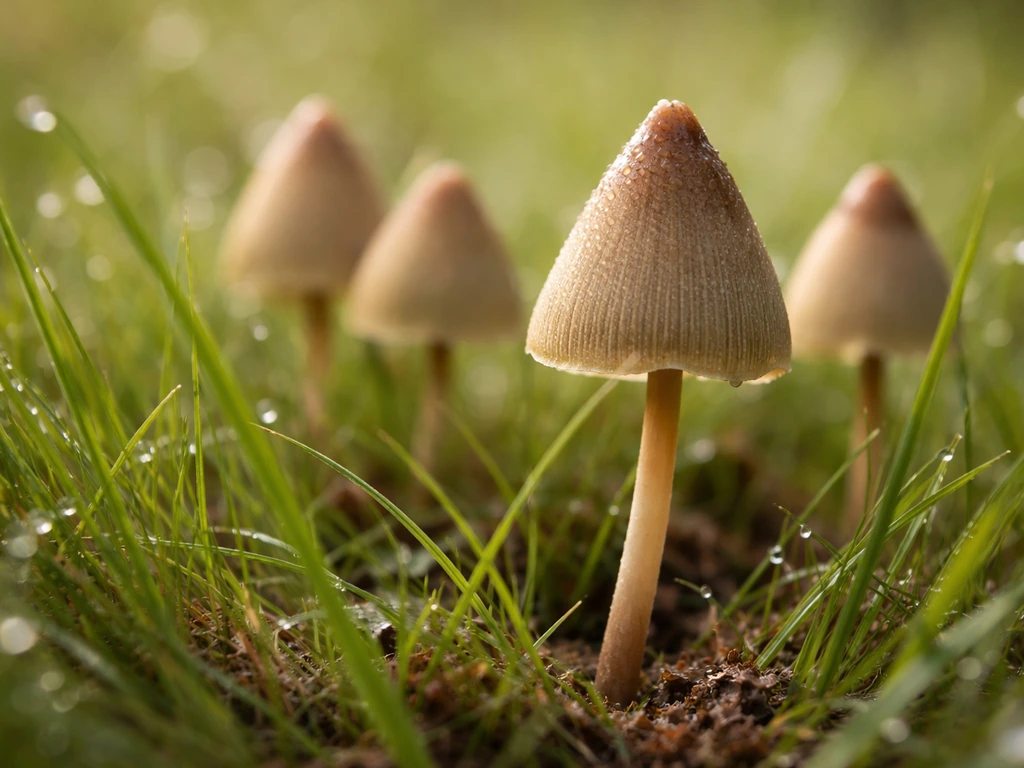
Psilocybe semilanceata is a small, slender grassland mushroom with a distinctively pointed, bell-shaped cap (semilanceata literally means 'half-spear'). It fruits naturally in acidic, nutrient-rich pastures, meadows, lawns, and even cricket pitches and school playgrounds, usually from late summer through autumn and into early winter. In the US it is most common in the Pacific Northwest west of the Cascade Mountains, fruiting in autumn and early winter. In the UK and northern Europe it peaks in autumn, with higher-altitude or higher-latitude sites like upland Scotland and Scandinavia fruiting earlier, and lowland southern European sites sometimes extending into December. It produces a purple-brown spore print and forms a pale, cottony mat of mycelium when grown on agar in culture.
The key thing that separates Liberty caps from most cultivated species is their apparent dependence on grassland ecosystems. Research suggests the mycelium interacts with the roots of grassland plants, meaning a simple jar of grain spawn is unlikely to trigger fruiting on its own. That said, documented cultivation on a sterile substrate of compost, rice grain, grass seed, and water, with a peat and chalk casing, has produced fruiting bodies in controlled conditions. That is the basis of the indoor method covered here.
Before you start, gather the following materials:
- Verified legal spore prints or syringes (sourced from a reputable supplier in a jurisdiction where spore possession is legal)
- Agar plates or sterilized jars for initial culture work
- Sterilizable grain (brown rice or rye grain works well)
- Compost and grass seed (for the substrate layer)
- Peat moss and horticultural chalk (for the casing layer)
- A pressure cooker capable of reaching 15 PSI for sterilization
- A still air box or a flow hood for contamination-free transfers
- A fruiting chamber or monotub with humidity and airflow control
- A calibrated digital hygrometer and thermometer
- Gloves, face mask, and eye protection for safe handling
Legality and Safety: Read This First
Psilocybin and psilocin, the active compounds in Liberty caps, are controlled substances in most countries. This is not a gray area you can talk your way around, and it matters at every stage of this process, including before you order spores.
In the UK, psilocybin and psilocin are Class A controlled drugs. Possession can result in up to seven years in prison plus an unlimited fine. The mushrooms themselves are caught under this framework even though the plant itself is not specifically named in the Misuse of Drugs Act 1971. In the United States, psilocybin is a Schedule I substance federally, but local laws vary.
Some cities including Denver, Oakland, and Seattle have decriminalized possession, but decriminalization is not legalization. Spore possession is an additional wrinkle: while spores do not themselves contain psilocybin, California, Georgia, and Idaho specifically criminalize possession of psilocybin mushroom spores. Germany has done the same since 1998. In the Netherlands, psilocybin mushrooms (including dried fruiting bodies) are illegal under the Dutch Opium Act, though psilocybin truffles occupy a different legal category and are sold legally in licensed smart shops.
Always verify your local law at the jurisdiction level before purchasing any materials.
On the safety side: Liberty caps contain potent psilocybin and psilocin. Adverse effects from accidental or excessive exposure include panic reactions, psychosis, and dangerous impairment of judgment. Keep any grow materials locked away and out of reach of children and pets. During cultivation work, treat your materials with basic lab-level biosafety habits: wear gloves, a face mask, and eye protection when working with spores or cultures. Wash hands thoroughly after removing gloves. Do not smell culture plates. These steps protect both you and your grow from contamination.
Indoor vs Outdoor: Which Strategy Makes Sense for You
This is the decision that will shape everything else. With most species covered on this site, the indoor route is almost always more reliable and faster. With Liberty caps, that calculus is reversed. There is no well-established indoor protocol that consistently delivers fruiting bodies the way, say, a Mazatapec or Tidal Wave cubensis grows on a bulk substrate.
If you're interested in a more forgiving comparison, a Tidal Wave cubensis setup is often discussed as a much more straightforward option for bulk substrate grows Tidal Wave mushrooms. If you are specifically looking for how to grow Mazatapec mushrooms, the indoor cubensis approach on a bulk substrate is typically more straightforward than Liberty cap casing and cool fruiting requirements.
Outdoor cultivation in the right habitat and climate is arguably more natural to this species, but it requires the right geography, the right soil, and a lot of patience across an entire growing season. If you are looking for a step-by-step plan for how to grow shiaqga mushroom, follow the same principles for matching a cool, grassland-like habitat and dialing in humidity and fresh air exchange.
| Factor | Indoor Growing | Outdoor Growing |
|---|---|---|
| Reliability | Low to moderate; no proven repeatable protocol | Moderate if habitat conditions match species needs |
| Control over conditions | High; you dial in temp, humidity, CO2 | Low; weather and soil dependent |
| Required setup cost | Moderate (pressure cooker, fruiting chamber, agar work) | Low to moderate (soil prep, grass seed, patience) |
| Timeline to fruiting | Months; highly variable | One full growing season minimum (late summer to autumn) |
| Contamination risk | High without sterile technique | Lower, but slug and competitor fungi pressure |
| Best for | Growers with sterile technique experience and cool indoor space | Growers in temperate climates with acidic grassland gardens |
My honest recommendation: if you are in a cool, temperate climate with an acidic garden lawn and this is legal where you are, start outdoors while running an indoor experiment in parallel. The outdoor bed gives you a realistic shot at a natural flush. The indoor grow teaches you the species' mycelium behavior. Do not invest heavily in indoor infrastructure expecting the same payoff you'd get with wavy caps or other easier-to-cultivate species. Wavy cap mushrooms, too, have specific environmental requirements, so use their dedicated guidance rather than relying on Liberty cap instructions alone.
Getting Your Starting Material and Propagation Options
In jurisdictions where spore possession is legal, reputable online suppliers sell Psilocybe semilanceata spore prints and syringes for microscopy and research purposes. When ordering, confirm the supplier's country of origin and your local laws around receipt and possession. Do not attempt to import spores across borders where doing so would be illegal.
From a spore syringe, your propagation path typically follows this sequence:
- Inoculate agar plates (malt extract agar or potato dextrose agar) with the spore syringe inside a still air box or under a flow hood. Allow the mycelium to colonize the plate over several weeks. P. semilanceata forms a pale white to pale orange cottony or felt-like mat on agar, which is a healthy visual indicator.
- Transfer healthy sectors of the agar culture to sterilized grain jars (brown rice grain or rye grain works well) to build up grain spawn. This is where contamination risk is highest. Work in a clean environment and flame-sterilize your scalpel between transfers.
- Once jars are fully colonized (a slow process for this species, often four to eight weeks), use the colonized grain to inoculate your prepared bulk substrate.
- Alternatively, some researchers have homogenized Petri-plate mycelium in sterile water and injected the slurry directly into bulk substrates, bypassing separate spawn production. This is an advanced technique but can work if your culture is clean and vigorous.
Be realistic about timelines here. P. semilanceata colonizes slowly compared to cubensis strains. What takes a Mazatapec cube two weeks on grain can take this species six to ten weeks. Slow colonization is not automatically a failure sign, but any green, black, or pink patches are contamination and the jar should be removed immediately.
Preparing the Substrate and Containers
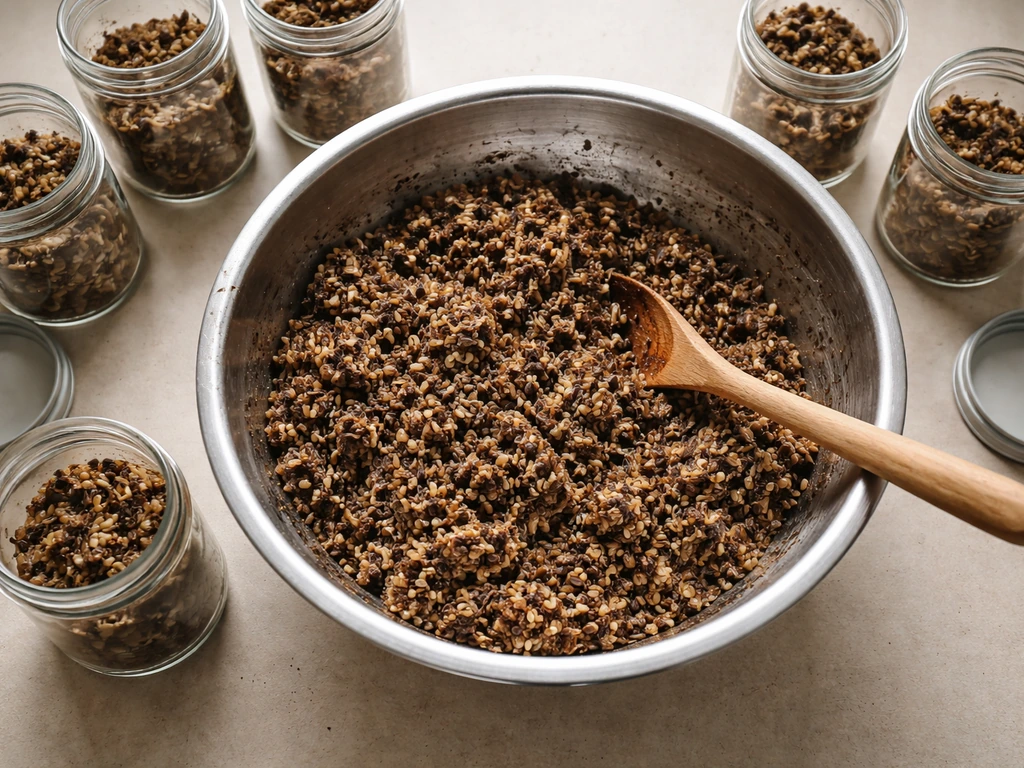
The substrate formula with the most documented backing for P. semilanceata is a combination of compost, rice grain, grass seed, and water as the main colonization layer, followed by a peat moss and horticultural chalk casing. This mixture mimics the species' natural habitat: nutrient-rich, acidic, living grassland soil. The grass seed component is particularly important given the evidence that this mushroom interacts with grassland plant roots in nature.
For the colonization substrate, mix: one part sterilized brown rice grain, one part garden compost (pasteurized at 80°C for one hour rather than fully sterilized, to preserve beneficial microbes), and a small addition of grass seed (rye grass works well). Hydrate to field capacity, meaning the mix holds together when squeezed but releases only a few drops of water. Load into wide-mouth mason jars or polypropylene grow bags with filter patches, filling about two-thirds full. Pressure cook at 15 PSI for 90 minutes. Allow to cool to room temperature before inoculating.
Once the substrate is fully colonized, apply the casing layer. Mix peat moss with a small amount of horticultural chalk (roughly a 10:1 ratio by volume) to buffer the pH slightly upward from the very acidic raw peat, aiming for a casing pH of around 6.0 to 6.5. Hydrate the casing mix until it is moist but not waterlogged. Apply a layer about 1 to 1.5 centimeters thick over the colonized substrate and smooth it evenly. Do not sterilize the casing, as some microbial activity in the casing layer appears to assist fruiting in many Psilocybe species.
For containers, wide, shallow monotubs or seed trays work better than deep jars for the casing and fruiting stage. The larger surface area gives you more pinning sites and better air exchange. A clear plastic storage tote with a loose-fitting lid (modified for airflow) is a practical, affordable option.
Dialing In the Growing Environment
This is where Liberty caps truly differ from most species on this site, and where most home growers run into problems. Liberty caps are a cool-season, temperate grassland species. Their natural fruiting window runs at roughly 5 to 15 degrees Celsius. Trying to fruit them at the 23 to 25 degrees Celsius you would use for cubensis will almost certainly fail.
Temperature
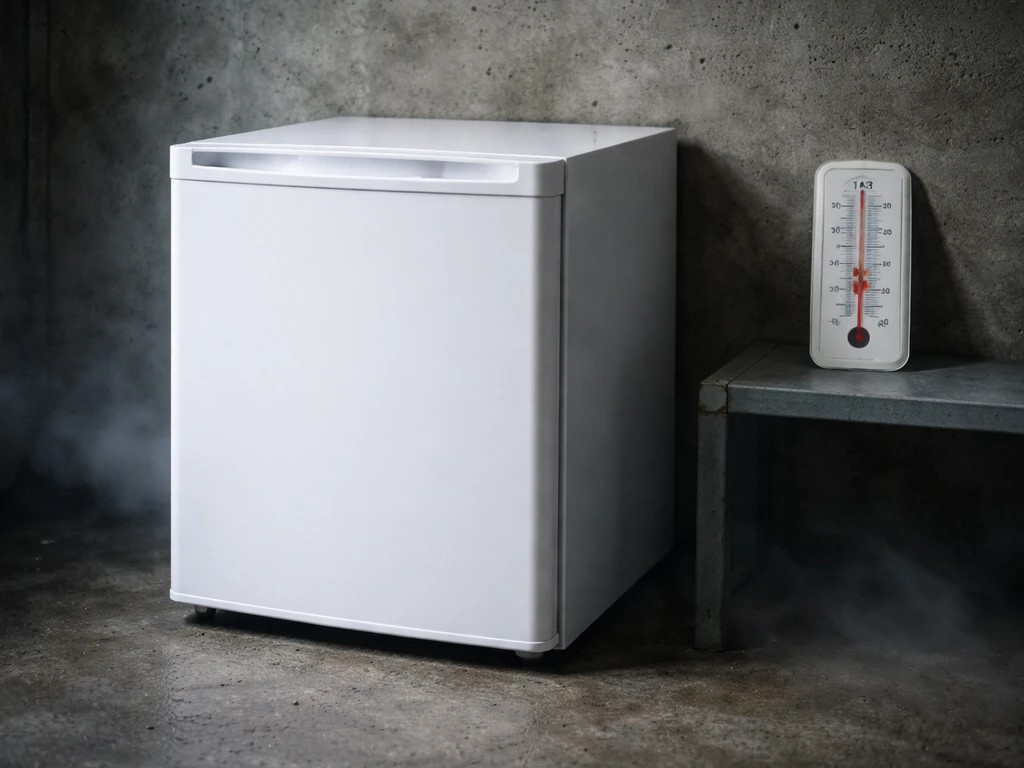
Target a fruiting temperature of 10 to 15 degrees Celsius. In most homes this means using a dedicated mini-fridge with temperature control, a cool basement in autumn, or an unheated garage in a temperate climate during the right season. A temperature controller with a cooling probe connected to a mini-fridge gives you the most reliable control. Colonization can happen at slightly warmer temperatures (up to 18 to 20 degrees Celsius), but do not push it higher than that for this species.
Humidity
Maintain relative humidity between 85 and 95 percent in the fruiting chamber. Use a calibrated digital hygrometer to monitor this. A reptile fogger or ultrasonic humidifier connected to a humidity controller works well. Mist the inside of the chamber walls (not directly on the casing surface) once or twice daily if you are misting manually. The casing layer should always look moist but never waterlogged or pooling. If you see standing water, fan it off and reduce misting frequency.
Fresh Air Exchange and CO2
Elevated CO2 above roughly 1,000 parts per million inhibits pinning in most Psilocybe species and causes abnormal elongated stipes without cap development. Fresh air exchange, meaning physically refreshing the air in the fruiting chamber, is non-negotiable. Fan the chamber for 30 to 60 seconds at least twice a day, or use a small computer fan running on a timer. Some growers drill small holes in monotub lids and cover them with polyfill stuffing, which provides passive gas exchange without losing too much humidity.
Light
Liberty caps do not need intense light, but they do respond to a regular photoperiod as a fruiting cue. A simple 12-hour light and 12-hour dark cycle using indirect natural light or a low-intensity LED grow light is sufficient. Avoid direct sun on the fruiting chamber, which will spike temperatures and dry out the casing.
Monitoring, Timing, and When to Harvest
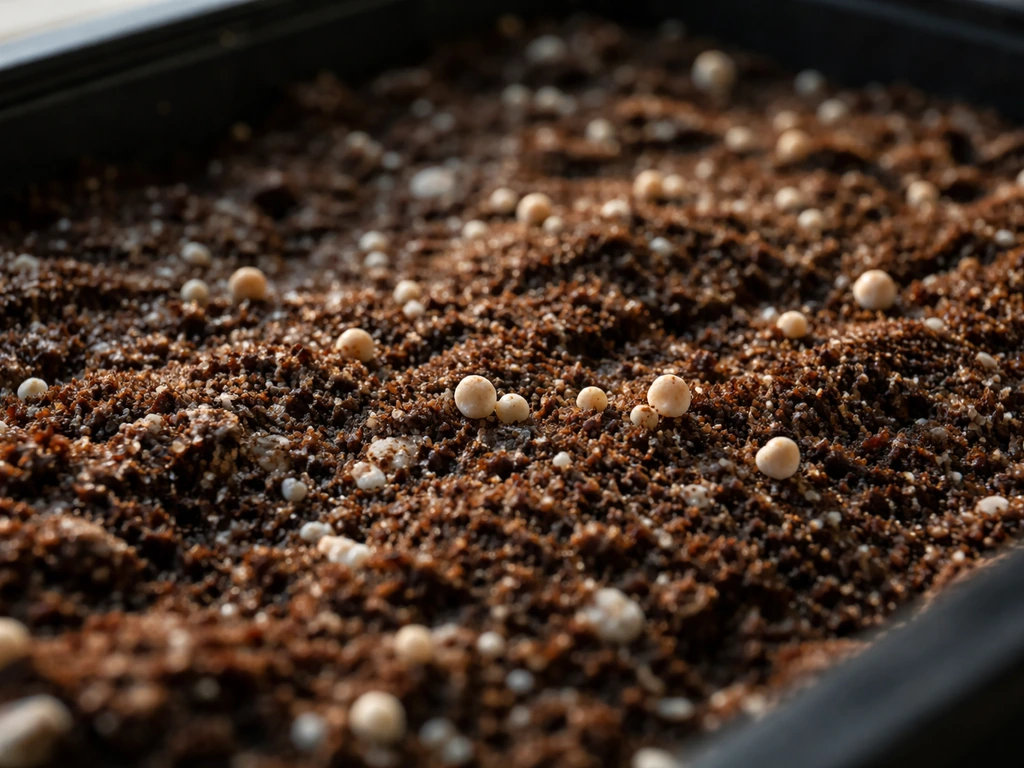
After applying the casing layer, expect to wait. Pinning initiation for P. semilanceata is slow and unpredictable. In documented cultivation attempts, fruiting bodies have appeared anywhere from three to eight weeks after casing, and not at all in many cases. This is not a species that rewards impatience.
Check the casing surface daily. Early pins appear as tiny white or pale tan nodules forming at the casing surface, often clustered near the edges of the tub where the casing meets the container wall. Once pins appear, maintain conditions carefully. Any sudden temperature spike, drop in humidity, or CO2 accumulation during early pin development will abort them.
Harvest Liberty caps just before or as the veil connecting the cap edge to the stipe begins to tear. At this point the cap is still closed or just beginning to open, and the spore print (purple-brown) has not yet been dropped. Harvest by gently twisting and pulling the base of the stipe from the casing without disturbing surrounding pins. After the first flush, lightly mist the casing, allow it to rest for five to seven days, and watch for a second flush. Multiple flushes are possible but each tends to be smaller than the last.
Troubleshooting Common Problems
Contamination
Green mold (Trichoderma) and black or pink patches are the most common contamination problems at the colonization stage. They almost always result from insufficient sterilization, a break in sterile technique during transfers, or using jars that were not fully dry before loading. If you see contamination in a jar, seal it in a bag before opening and dispose of it away from your grow space. Do not try to cut away contamination from grain jars and continue.
At the casing stage, competitor fungi or surface bacteria are less catastrophic as long as the casing was not sterilized (some microbial competition is normal), but any fuzzy colored growth that is not white Liberty cap mycelium should be scooped out and the area lightly dusted with dry chalk.
Stalled or No Growth on Grain
If your jars show no visible mycelium after three weeks, first check your temperature. Too cold (below 15 degrees Celsius) will slow colonization significantly. Too warm (above 22 degrees Celsius) can stress or kill the culture. A second possibility is that your spore syringe had low viability. P. semilanceata spores can have lower germination rates than cubensis spores, and some syringes from less reputable suppliers are simply not viable. If you have a clean agar plate with no visible growth after two weeks, the spores or the syringe are likely the problem, not your technique.
No Pins After Casing
This is the most common and most frustrating outcome. Possible causes include: temperature too high (most likely), CO2 too elevated from insufficient fresh air exchange, casing too dry or too wet, or the mycelium simply not being triggered. Some growers have reported success by dropping the fruiting temperature to the lower end of the range (8 to 10 degrees Celsius) and increasing fresh air exchange frequency after six weeks of no pinning. Others have tried adding a thin layer of fresh, lightly hydrated grass seed on top of the existing casing as an additional trigger. These are experimental tactics, but they reflect the reality that this species does not fruit on command.
Low Yields
Even in successful grows, expect modest yields. Liberty caps are small mushrooms and the fruiting body density per tub will not match what you'd see with a bulk cubensis grow. If you are getting pins but they are aborting before reaching harvest size, the humidity is likely dropping too low, or the temperature is fluctuating outside the 10 to 15 degree Celsius window. A second common cause of aborted pins is direct misting onto the pins themselves. Always mist the chamber walls, not the fruiting surface.
Drying Out Between Flushes
The peat casing loses moisture faster than many growers expect, especially if fresh air exchange is aggressive. Between flushes, lightly field-cap the casing with a fine mist (not a heavy soak), cover loosely, and check moisture daily. If the surface is pulling away from the container edges and cracking, it is too dry and pinning in that area will not happen. Rehydrate by misting gently over two to three days rather than drenching all at once.
Growing Liberty caps is a long-game project and one of the more humbling experiences in the mushroom cultivation world. If you are newer to home cultivation and want to build your sterile technique skills first, starting with a more forgiving species is genuinely good advice before committing to this one. But if you have the conditions, the legal standing, and the patience, working through this process teaches you more about mycelium behavior and environmental controls than almost any other species you can grow at home.
FAQ
Can I grow liberty caps indoors without using a mini-fridge or temperature controller?
Yes, but only if you can reliably hold the fruiting window around 10 to 15°C. Many homes cannot maintain that range year-round, so people usually time the attempt for autumn, use an unheated garage or cool basement, and place the chamber inside an insulated box with a probe-based thermostat. If you cannot monitor temperature with a calibrated sensor, expect frequent “no pins” or aborted pins.
What’s the safest way to tell the difference between slow colonization and contamination?
Slow growth is usually uniform and produces a pale, cottony mycelium pattern over time. Contamination typically shows up as distinct colored patches (green, black, or pink), fuzzy growth, or spots that do not follow the same spread pattern as the mycelium. If any obvious colored patches appear on a colonization jar, remove it and do not try to salvage it by scraping.
How do I know my casing pH is in range (about 6.0 to 6.5) without guesswork?
Use a pH test for soil or horticultural substrates. Mix and measure a small sample of the peat-and-chalk casing slurry, then adjust with small incremental amounts of chalk rather than adding a lot at once. If the casing is too acidic, fruiting often stalls, while overly buffered casing can disrupt moisture behavior.
Do I need full sterilization for the colonization mix, or can pasteurized compost work reliably?
Pasteurizing compost to preserve beneficial microbes can be workable, but it increases variability. The most common failure comes from inconsistent heat exposure or uneven mixing during pasteurization. If you use pasteurized compost, be strict about hydration (field capacity) and pressure-cook the jars for the same documented time and pressure so the overall batch performance stays repeatable.
Should I sterilize the peat casing, or is leaving it non-sterile actually important?
Leaving the casing unsterilized is often part of the documented approach, since a certain level of microbial activity may support fruiting. Sterilizing can reduce that microbial community, which may lower consistency. If contamination becomes a chronic issue, focus on cleaner handling and proper moisture management before switching to full sterilization.
What fresh air exchange setup works if I do not want to open the chamber constantly?
A timer-controlled small computer fan or a passive gas exchange system can reduce disruptions. For passive exchange, some growers modify the lid with airflow holes and polyfill, which allows CO2 to escape without drying the casing as quickly. The key metric is staying below CO2 levels that prevent pinning, so track pin onset and adjust airflow based on results.
Is it okay to mist directly onto the casing surface to keep it wet?
Usually no. Direct misting onto the casing, especially onto tiny developing pins, can trigger aborts. Instead, mist the chamber walls, then let humidity and airflow evenly redistribute moisture. If the casing surface looks like it is drying, mist lightly, but avoid puddling or heavy wetting.
Why do I get pins but they never reach harvest size?
The most common causes are temperature instability, humidity dropping below the target range, or CO2 staying too high during early development. Another frequent issue is misting directly onto pins. If pins appear but stall, tighten temperature control first, then verify humidity with a calibrated hygrometer, and ensure your fresh-air routine is consistent.
What should I do if my jars look clean but show no visible mycelium after about three weeks?
Check temperature first, then consider spore viability. If temperatures are too cold or too warm, colonization can stall or fail. Also, spore syringes can have lower germination rates than expected. If you have a clean agar plate that also shows no growth after about two weeks, the problem is likely the inoculum rather than sterile technique.
Can I rehydrate the casing between flushes without ruining the next one?
Yes, but do it gradually. Light field-cap misting is preferred over soaking. If the casing surface is cracking or pulling away from container edges, rehydrate over two to three days with small misting adjustments, then re-check daily. Over-saturating can worsen surface problems and reduce the next flush size.
How long should I wait after casing before concluding it’s not going to fruit?
Be prepared for a wide window. Documented attempts can show fruiting anywhere from about three to eight weeks after casing, and some cases produce no pins at all. If you are still within that range, focus on stable temperature, humidity, and fresh air exchange, then adjust only one variable at a time so you can learn what changes actually help.
What should I do if contamination shows up on a jar during colonization?
Do not open it near your active grow space. Seal it in a bag before moving, then dispose of it away from your other materials to prevent spread. Cutting away infected areas and continuing usually fails because contamination tends to re-establish and can contaminate neighboring jars or your workspace.
Is harvesting timing critical for future flushes or spore prints?
Timing matters for quality. Harvest when the veil is beginning to tear, which is when the cap is still closed or just starting to open, and before spores drop. If you wait until spores shed heavily, you can reduce overall cleanliness and make future handling messier, and spores can also spread to other parts of your setup.
Do yields improve if I increase casing thickness beyond 1.5 cm?
Not necessarily. Thicker casing can increase moisture retention, but it can also complicate gas and moisture exchange and may not produce proportionally more pins. Sticking near the commonly used thickness (about 1 to 1.5 cm) is a better starting point, then adjust humidity and fresh air instead of jumping thickness.