Parasol mushrooms (Macrolepiota procera) can be grown at home, but I'll be straight with you: they're one of the trickier species to cultivate reliably compared to oysters or shiitake. The most realistic path is an outdoor compost or wood-chip bed rather than an indoor setup, using quality spawn sourced from a reputable vendor. Get the bed right, keep moisture consistent, and you'll likely see mycelial growth and eventually fruiting bodies over one or more seasons. Indoor controlled grows are possible in theory but have produced frustratingly inconsistent results even for experienced growers. If you go in with that expectation and commit to the outdoor method, you've got a real shot.
How to Grow Parasol Mushrooms Step by Step Guide
Marcus Holloway
1 Jun 2026
What parasol mushrooms actually are (and the ID stuff you need to know before you touch a wild one)
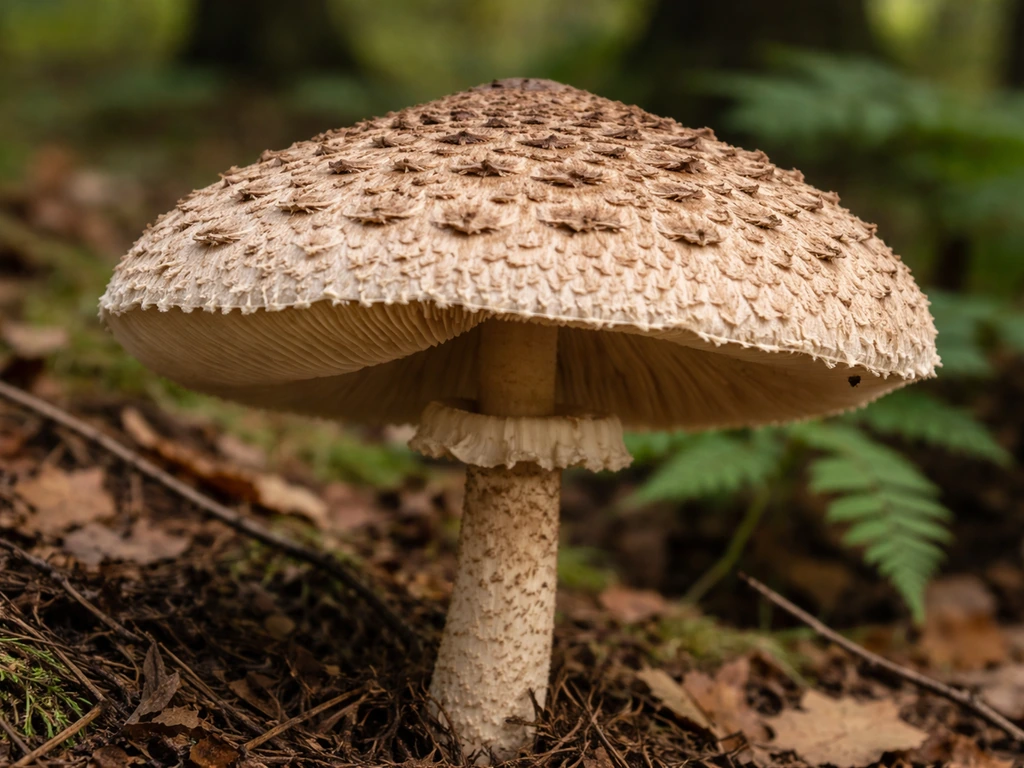
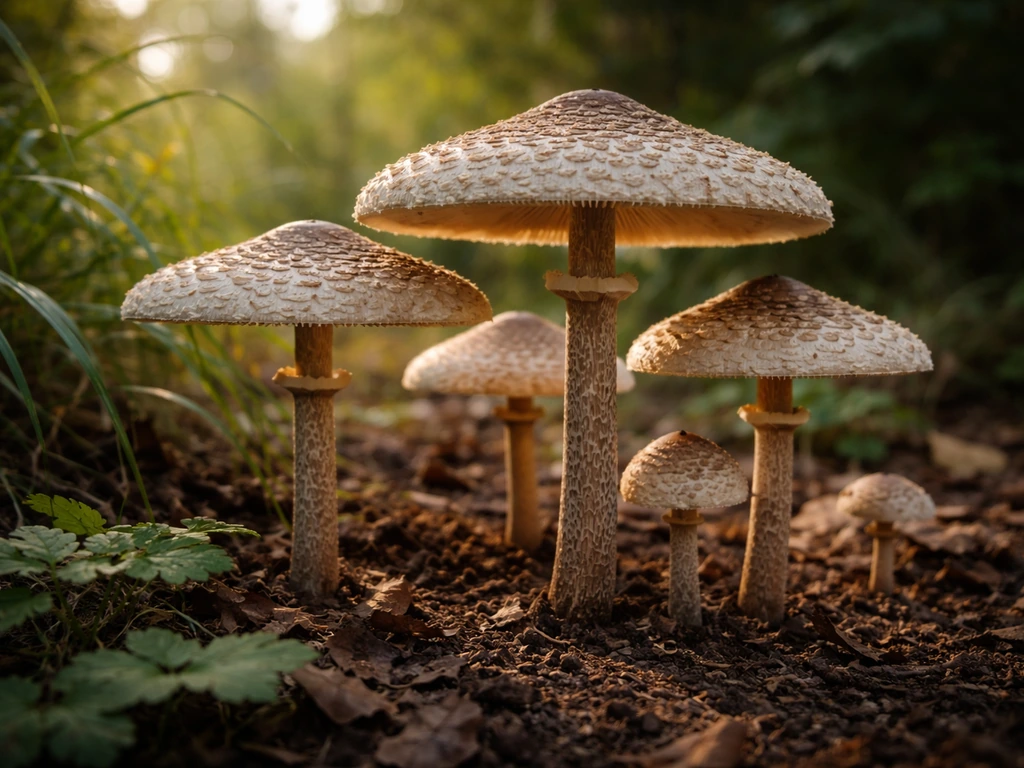
The name "parasol mushroom" most commonly refers to Macrolepiota procera, a tall, dramatic edible species prized in European cuisine. You might also see Macrolepiota rhacodes (or Chlorophyllum rhacodes), the shaggy parasol, grouped under the same common name. Both are genuinely good eating when properly identified and cooked. The problem is that a dangerous lookalike, Chlorophyllum molybdites (the false parasol or green-spored parasol), looks very similar, especially when young, and it's one of the most common causes of mushroom poisoning in North America.
Here's how to tell the edible parasol from the toxic one. The true parasol (M. procera) has a broad, scaly cap, white gills, a movable ring (annulus) on the stem, and a distinctive snakeskin-like pattern on the stipe below the ring. C. molybdites, by contrast, produces green spores and develops greenish-tinged gills as it matures. The single most reliable test is a spore print: lay the cap gill-side down on white paper for several hours. A green spore print means you have C. A green spore print indicates C. molybdites, which can be toxic, so spore printing is a practical safety step when visual identification is uncertain. molybdites and you should not eat it. White or cream spores point toward the edible species. Young specimens are the most dangerous because the greenish gill color hasn't developed yet, so never try to ID by gills alone on an immature cap.
For cultivation purposes, this safety issue is largely taken off the table because you're starting from verified spawn, not picking something from your lawn. But it's still worth knowing if you ever supplement your harvest with wild-foraged specimens or want to collect spores from the wild. Always do a spore print first.
Indoor vs outdoor: which grow method is right for you
This is the most important decision you'll make, and the answer for most home growers is outdoor. Parasol mushrooms are saprophytic and mycorrhizal in tendency, and they haven't been domesticated the way oysters or shiitake have. Documented attempts at indoor fruiting with temperature shocks, humidity management, daily light cycles, and other triggers have repeatedly failed to produce consistent results. That doesn't mean indoor grows are impossible, but going in expecting oyster-mushroom-style reliability will leave you disappointed.
| Factor | Outdoor Bed | Indoor Setup |
|---|---|---|
| Fruiting reliability | Better (seasonal, natural cues) | Low to inconsistent |
| Setup cost | Low (compost, straw, wood chips) | Medium to high (humidity/FAE equipment) |
| Space needed | A garden bed or shaded corner | Dedicated grow space |
| Control over conditions | Limited (weather-dependent) | High, but triggers not well-defined |
| Contamination risk | Lower in established beds | Higher in early stages |
| Best for | Most home growers | Experienced growers willing to experiment |
If you have a shaded spot in your garden, a corner of a lawn, or even a large raised bed, go outdoor. If you're an experienced grower who has done oysters and shiitake and wants a challenge, an indoor attempt is a worthwhile experiment, but treat it as research, not a reliable crop.
Where to get your starting material
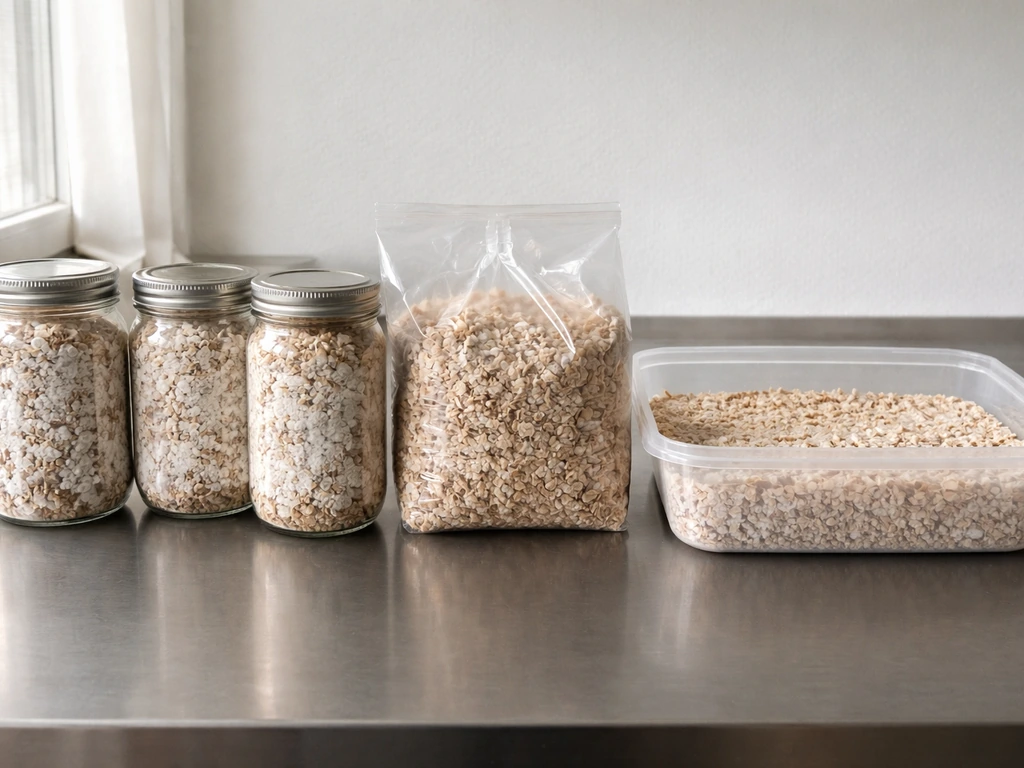
You have two main options: spawn (mycelium already growing on a grain or wood-chip substrate) or a spore-based start (liquid culture or spore syringe). For parasol mushrooms, spawn is the better choice because it gets mycelium established faster and gives you a head start on colonization before competing molds can take hold. Spore syringes are cheaper and sometimes the only option for less-common species, but they require germination steps that add time and risk.
- Grain spawn: ready-to-use mycelium on sterilized grain, best for mixing into substrate beds
- Wood chip or sawdust spawn: good for outdoor beds with wood-based substrate mixes
- Liquid culture (LC) syringe: fungal mycelium or spores suspended in nutrient solution, useful if spawn isn't available but requires grain jars or agar plates to expand before use
- Spore syringe: sterile spores in water, cheapest option but least reliable for beginners
Buy from a reputable specialty mushroom vendor who clearly labels the species as Macrolepiota procera. Stock isn't always easy to find because parasol mushrooms are less commercially cultivated than oysters or shiitake, so you may need to check a few vendors or join grower communities online where trades sometimes happen. Avoid sourcing spawn from unverified sellers, because mislabeled spawn is a real problem with less-common species.
Substrate and bed preparation
Parasol mushrooms grow naturally in grassland edges, open woodland, and disturbed soil rich in organic matter. For outdoor beds, a compost-heavy mix with some wood chips or straw is your best approximation of their natural habitat. Think rich, well-draining, slightly acidic to neutral soil with good organic material content, not a heavy clay or pure sandy soil.
Outdoor bed recipe
- Choose a partially shaded spot: under a deciduous tree, along a fence, or in a spot that gets morning light but afternoon shade
- Dig or loosen the top 6 to 8 inches of soil
- Mix in a generous layer of mature compost (aim for roughly 30 to 40% of the bed volume)
- Add straw or hardwood chips as a top layer (2 to 3 inches) to retain moisture and provide additional substrate
- Water the bed thoroughly so it's damp but not waterlogged before inoculation
For indoor attempts, you're looking at a pasteurized straw or supplemented sawdust mix in grow bags or tubs. Straw gets pasteurized (soaked in near-boiling water at around 160 to 180 degrees Fahrenheit for 60 to 90 minutes, then cooled), while more nutrient-dense mixes like grain or sawdust blends need full sterilization at 15 PSI in a pressure cooker. Small jars need about 15 to 20 minutes at pressure; larger substrate bags can need up to 90 to 120 minutes. Skipping proper heat treatment is the single most common beginner mistake and almost guarantees contamination.
Inoculation, incubation, and getting to fruiting
Inoculation just means introducing your spawn (live mycelium) into the prepared substrate so the fungus can take hold and colonize the material. For outdoor beds, it's straightforward: dig small holes or trenches 3 to 4 inches deep across the bed, place grain spawn or wood chip spawn in clumps about 6 to 8 inches apart, cover with substrate, and water in gently. Cover the bed with a layer of cardboard or burlap to retain moisture during initial colonization.
For indoor setups, inoculate under as clean conditions as you can manage: wipe surfaces with isopropyl alcohol, work quickly, and seal bags or containers after spawning. Mix spawn thoroughly into your substrate at a rate of roughly 10 to 20% spawn by weight for faster colonization.
Incubation is the waiting period while mycelium spreads through the substrate. For parasol mushrooms, this can take anywhere from a few weeks to several months depending on temperature and substrate. Keep the bed or container at 65 to 75 degrees Fahrenheit (18 to 24 Celsius) during this phase. You should see white, fluffy or rope-like mycelial growth spreading through the substrate over time. Don't panic if outdoor beds seem slow in cool weather; the mycelium is still developing.
Fruiting is triggered by a combination of environmental shifts: cooler temperatures (dropping to the 55 to 65 Fahrenheit range mimics autumn), increased fresh air exchange, and sustained high humidity. For outdoor beds, autumn naturally provides these cues, which is why most growers see their first fruits in fall after a spring or summer inoculation. For indoor grows, you'd attempt to replicate this with a cold shock (moving to a cooler space for several days), increased ventilation, and misting. As noted earlier, indoor results for this species are unpredictable.
Fruiting care: the environmental details that matter
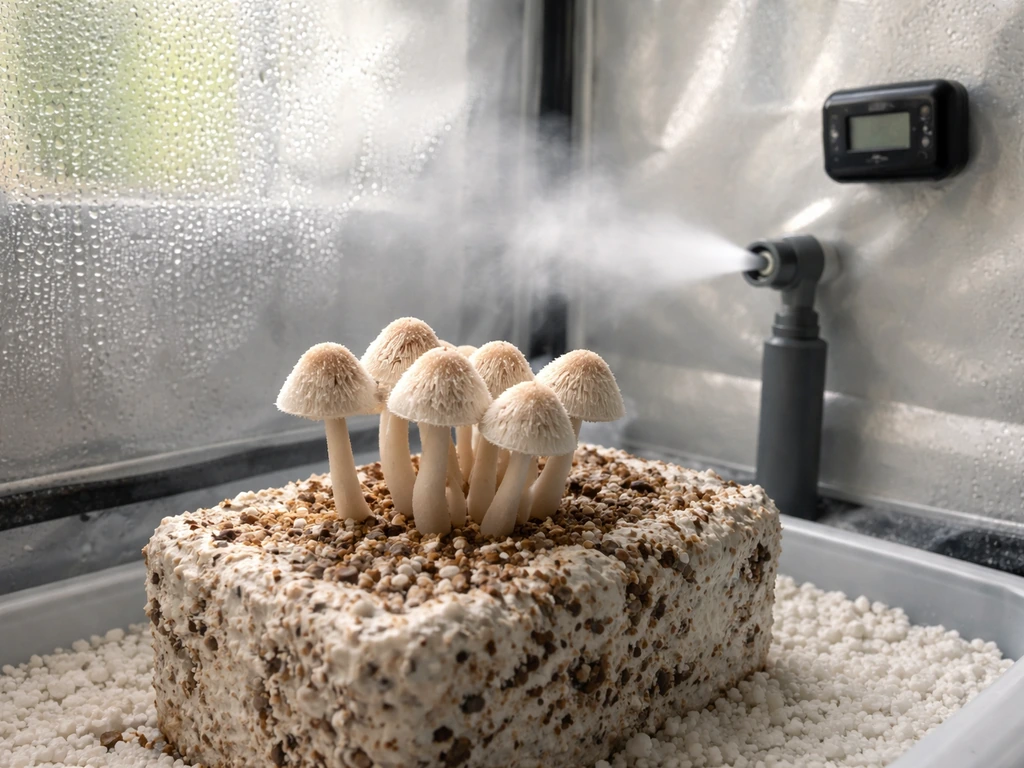
Once pins appear, your job is to maintain the right environment without swinging too far in any direction. Parasol mushrooms need high humidity during fruiting (aim for 85 to 95% relative humidity), consistent fresh air to prevent CO2 buildup (which can cause elongated, malformed stems and prevent cap development), and gentle indirect light. They don't need intense light to fruit, but a natural day/night cycle helps signal the crop.
- Temperature: 55 to 65°F (13 to 18°C) during fruiting is the target range
- Humidity: 85 to 95% RH; mist around the bed or fruiting chamber, not directly onto young pins
- Fresh air exchange: ventilate at least twice daily for indoor setups; outdoor beds handle this naturally
- Light: indirect natural light or 12 hours of low-intensity artificial light per day is sufficient
- Avoid waterlogging: damp is correct, soggy substrate kills mycelium and invites bacterial contamination
For outdoor beds, your main job is keeping the bed consistently moist through dry periods. A light mulch layer helps retain moisture between rain events. During hot, dry summers, water the bed every few days, but let it drain freely. Shade cloth can help if your spot gets intense afternoon sun during summer months.
Harvesting, re-flushes, and storage
Harvest parasol mushrooms just before or as the cap fully opens, when it's still slightly closed at the center or just unfurling. The cap expands significantly as it opens, so the window between "good eating size" and "overripe" passes quickly. Twist and pull gently at the base rather than cutting, which helps avoid leaving a rotting stump in the bed that could introduce contamination. For larger caps that are already open flat, check that the gills are still white (not green-tinged) before eating.
After a flush, let the bed rest. Remove any spent or rotting material from the surface, water lightly, and allow the mycelium to recover. Outdoor beds can produce multiple flushes over a growing season and may continue fruiting in subsequent years if the mycelium remains healthy. Indoor setups, if they fruit at all, may give one or two flushes before the substrate is exhausted.
For storage, parasol mushrooms are best eaten fresh within a day or two of harvest. If you have more than you can use, slice and dry them at 95 to 115 degrees Fahrenheit in a food dehydrator until fully crisp, then store in airtight containers away from light and moisture. They rehydrate well in soups and sauces.
Troubleshooting: when things go wrong
No visible mycelial growth after 3 to 4 weeks
First, check that your spawn was viable when you received it. Old or improperly stored spawn loses viability. Second, check substrate moisture: too dry and mycelium won't spread, too wet and it suffocates. The substrate should feel like a wrung-out sponge. If you suspect contamination already set in, green, black, or pink patches in the substrate are the giveaway. If you're also trying to grow black morels, make sure you start with the right host and soil conditions before moving on to spawn or inoculation steps. At that point the batch is likely lost and you'll need to start fresh with properly prepared substrate.
Mycelium is growing but no pins are forming
This is the most common frustration with parasol mushrooms specifically. The mycelium is fully capable of colonizing a bed without ever producing fruit bodies under artificial conditions. Make sure you're providing the environmental trigger: a genuine temperature drop (not just a degree or two), increased fresh air, and sustained high humidity. For outdoor beds, patience is key because fruiting often waits until autumn regardless of when you inoculate. If an indoor setup hasn't pinned after six months of healthy colonization, the honest answer is that M. procera may just not cooperate in your setup.
Contamination: green, black, or fuzzy mold in the substrate
Green mold (usually Trichoderma) is the most common indoor contamination. It means either the substrate wasn't properly sterilized or pasteurized, or inoculation wasn't done cleanly. Remove contaminated sections from outdoor beds immediately to stop spread. For indoor bags or containers, if more than 20 to 30% of the substrate is affected, cut your losses and start fresh. Prevention is the real cure here: don't rush heat treatment, cool substrate completely before inoculation, and work in the cleanest conditions you can manage.
Pests: flies, slugs, and fungus gnats
Outdoor beds attract slugs, which will eat pins and young caps overnight. Yellow sticky traps near the bed catch fungus gnats before they can lay eggs in the substrate. A ring of diatomaceous earth around the bed perimeter discourages slugs without chemicals. For indoor setups, covering the fruiting chamber with fine mesh and using sticky traps controls gnat populations effectively.
Pins developing but dying before reaching harvestable size
This usually points to humidity dropping too fast, a cold draft hitting the pins directly, or CO2 building up from insufficient fresh air. Pins need high, consistent humidity to expand. Mist the walls of the fruiting chamber rather than the pins themselves, increase ventilation slightly, and make sure no direct airflow is hitting the developing fruits.
Your starter plan for this week
If you're ready to start today, here's the simplest path forward. Order Macrolepiota procera grain or wood chip spawn from a reputable vendor (search specialty mushroom supply shops and expect to spend a few weeks on delivery for less-common species). Once you have your starter, the same outdoor setup, moisture control, and fruiting triggers make it much easier to follow through on how to grow black poplar mushrooms. While you wait, identify your outdoor bed location: shaded, well-draining, and with access to a hose or watering can. Prepare the bed by loosening the soil and mixing in compost. When spawn arrives, inoculate the bed, cover with a straw mulch layer, and water in. Then wait, keep it moist, and let the natural seasonal cycle do the rest of the work. If you're inoculating in spring or early summer, target autumn as your first realistic fruiting window.
Parasol mushrooms reward patience and realistic expectations more than any clever technique. They're not oysters, which will fruit for you in two weeks in a bucket. But a well-maintained outdoor bed that fruits reliably each autumn is genuinely worth the effort, and the mushrooms themselves are spectacular. If you enjoy working with specialty woodland species, you might also find it interesting to explore how to grow pine mushrooms or black morels, which share some of the same outdoor bed logic and seasonal fruiting patterns.
FAQ
Can I store parasol mushroom spawn before inoculating, and how long will it stay viable?
Yes, but use it only as a short-term rescue. If your spawn arrives cool, keep it refrigerated for the vendor’s stated window, and avoid opening packages repeatedly. Once you open the bag, plan to inoculate soon, because viability drops faster after exposure to warmer temperatures and air.
How wet should the compost or substrate be, especially for outdoor beds?
Aim for moisture that supports spawn activity without pooling. Before inoculation, the substrate should hold shape when squeezed, then slowly release a few drops, not stream. After watering the bed, ensure the area drains well so fruiting does not rot or stall from soggy conditions.
What does “healthy mycelium” look like, and when should I treat contamination as a lost batch?
If you see healthy white mycelium that looks consistent and doesn’t smell bad, that is usually normal. Signs to remove sections are strong sour odors, slimy texture, and patches that turn green, black, pink, or orange early. Outdoor beds can show minor surface colonization, but aggressive color changes are a red flag.
My parasol bed colonized but never fruited. What should I check first?
If you get full colonization but no pins, it is almost always the trigger failing, not the inoculation. Re-check that you truly experienced a cooling period, you have sustained fresh air, and humidity stays high during the fruiting window. Also confirm the bed is outdoors exposed to seasons, not only cooler nights.
When is the best time to harvest, and does late picking reduce future flushes?
Harvest timing affects future flushes. If caps open flat and gills start drying or discoloring, you often lose quality and may slow subsequent pinning. For best results, harvest when the cap is still opening, and remove the entire stem base area by twisting and pulling so you do not leave rotting tissue behind.
What should I do if it’s too dry or I accidentally overwater right before pins appear?
Yes, but do it gently and systematically. Water the bed lightly around the area, then wait a day or two to see whether pins continue developing, rather than saturating everything at once. Repeated heavy watering after dry spells can cause pin abortion or malformed caps by disrupting moisture consistency.
How should I space or manage large parasol clusters to avoid problems during fruiting?
Parasol mushrooms can be large, so plan spacing so neighboring caps do not stay wet and stagnant. If mushrooms are crowded, improve fresh air movement and thin any excess mulch that blocks airflow. Good spacing also helps you notice green-spored lookalikes early.
Can I collect spores from my harvest, and is spore-based growing likely to work well?
If you want spores for identification verification or future starts, collect from confidently ID’d edible specimens only. Use a spore print on white paper, and store dried spore material in a cool, dark place. Germination from spores takes longer and is more variable than grain spawn, so treat spore syringes as a slower path with higher uncertainty.
How risky is it to eat a parasol lookalike if I’m not sure of the species, especially for young mushrooms?
If you already suspect the lookalike risk, do not rely on age-based guesses. Young specimens are especially confusing, so confirm with spore print every time you are determining edibility from foraged material. Even if one cap seems “right,” avoid sampling multiple immature individuals and assuming the batch is safe.
What pest problems are most common, and what are the least disruptive prevention steps?
For outdoor beds, fungus gnats and slugs are the most common pest pressure on early stages. Covering the bed with breathable mulch, using sticky traps, and adding a slug barrier around the perimeter can reduce losses without constantly disturbing developing pins.
If indoor growth keeps failing, how do I troubleshoot without wasting an entire season?
If indoor attempts fail after long colonization, switch one variable at a time before restarting. Most growers adjust temperature swing and fresh air first, since humidity alone does not reliably replace the outdoor autumn cues. Consider moving outdoors for at least the next season to validate that your spawn is viable before trying another indoor run.