
Growing fly agaric (Amanita muscaria) at home is genuinely one of the hardest things you can attempt in mushroom cultivation, and the honest truth is that reliably fruiting it indoors is currently not achievable with standard home-grow methods. Fly agaric is an obligate ectomycorrhizal fungus, meaning it needs a living host tree's root system to complete its life cycle and produce mushrooms. You can cultivate mycelium, experiment with inoculation under tree roots outdoors, and push the science as far as it will go in a home setup, but expecting a flush of iconic red caps from a grain jar in your closet is not realistic today. That said, there is a real, structured approach to working with this species, and if you go in with clear expectations, you can make genuine progress.
How to Grow Fly Agaric Indoors: Step-by-Step Guide
Is fly agaric a realistic home-grow, and what you need to know first
Let's be direct: fly agaric is not in the same category as oyster mushrooms, shiitake, or even the finicky lion's mane. Most home growers who have tried other species find that the jump to Amanita muscaria is more like jumping to a completely different discipline. The core problem is biology. A. muscaria forms ectomycorrhizal relationships with host trees, most commonly birch, pine, fir, and spruce. The fungus wraps around the fine root tips of these trees and exchanges nutrients with the tree in a two-way partnership. Without that living root system, the mycelium simply will not fruit, no matter how perfect your humidity and temperature are.
That does not make cultivation pointless. There is a meaningful difference between 'grow fly agaric mushrooms' and 'cultivate fly agaric. If you are wondering, can you grow fly agaric mushrooms at home, the short answer is that it requires the right biology and host trees, not standard indoor techniques. ' You can cultivate the mycelium on agar or grain for research, inoculation experiments, and long-term storage. You can also inoculate seedling tree roots outdoors and create a mycorrhizal garden bed that, given enough time (often several years), may produce mushrooms in a naturalized outdoor setting. Both paths are worth understanding before you spend money on supplies.
There is also an important safety and legal layer here. The FDA has issued a letter stating that A. muscaria, its extracts, and key constituents including muscimol, ibotenic acid, and muscarine are unapproved food additives that do not meet GRAS standards for conventional food use. The agency has also classified these as 'new dietary ingredients' not established as safe for intended use in marketed products. The mushroom itself is toxic in raw form, and while some people prepare it through specific drying and decoction methods to reduce toxicity, consuming it carries real risks. Know the legal status in your jurisdiction and treat this species with serious respect.
If you are interested in growing edible Amanita relatives or other specialty mushrooms with more predictable indoor results, species like Agaricus bisporus or even some of the more unusual gourmet varieties may be a better starting point while you build the knowledge base for a long-term A. If you are specifically looking for how to grow Agaricus bisporus at home, the process is much more straightforward and does not require a living tree host. muscaria project.
Getting the right genetics: spores vs live culture and spawn options
Your starting material matters more with fly agaric than with almost any other species, partly because sourcing is complicated. Here is what is realistically available and what each is useful for.
Spore prints and spore syringes
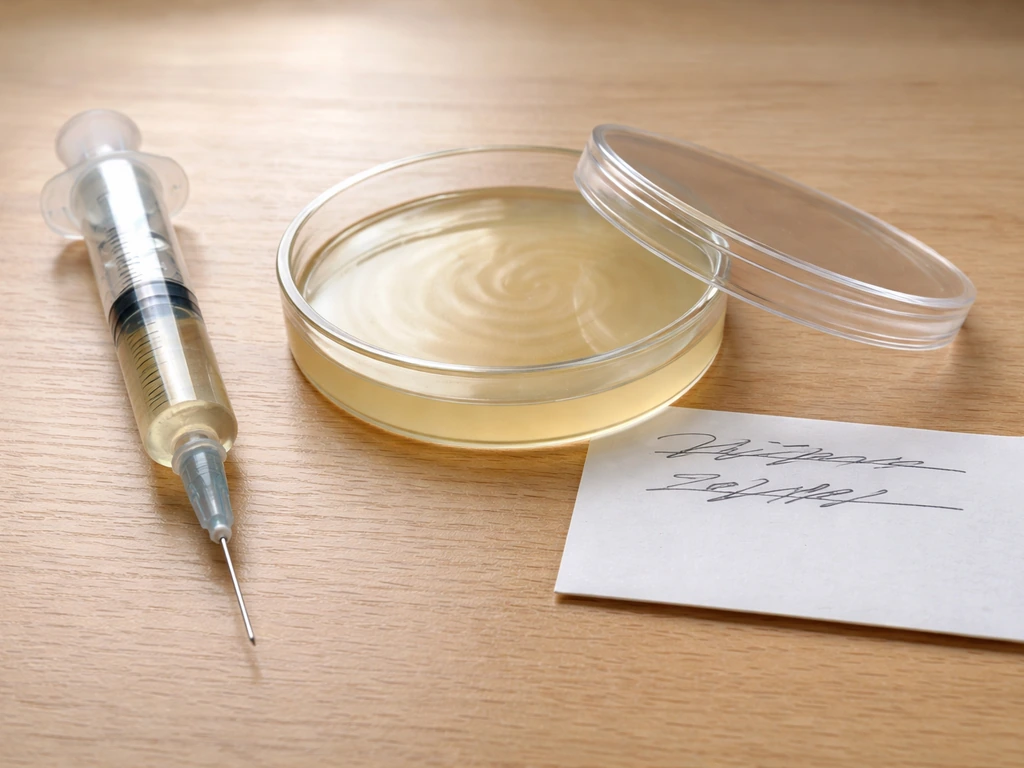
Spore prints taken from wild caps, and syringes made from them, are the most commonly available starting point. Spores can be used to inoculate agar (potato dextrose agar or malt extract agar work fine) and grow out mycelium in a lab-style setup. The challenge is that spore germination in Amanita species can be slow and unpredictable, and not all spores from a print will be viable. You will often get contamination before you get clean mycelial growth, which means good sterile technique is non-negotiable. If you are new to agar work, practice with a more forgiving species first.
Live culture on agar
Occasionally, specialty culture libraries and mycology vendors sell verified A. muscaria cultures on agar slants or plates. These are far more reliable than starting from spores because germination is already done and you are working with confirmed live mycelium. If you can source a clean agar culture, prioritize that over spores. Look for vendors who specialize in mycology research cultures rather than general garden suppliers, and verify that the culture has been recently transferred and is actively colonizing.
Mycorrhizal spawn for outdoor inoculation
For the outdoor tree-root approach, some specialty suppliers produce A. muscaria mycorrhizal inoculant intended for inoculating seedling root systems. This is a more niche product than typical grain spawn and harder to find, but it exists. It is generally applied as a slurry or incorporated into soil around seedling roots at the time of transplanting. This is the most realistic path to eventually seeing mushrooms, even though the timeline is measured in years, not weeks.
Indoor setup for fly agaric
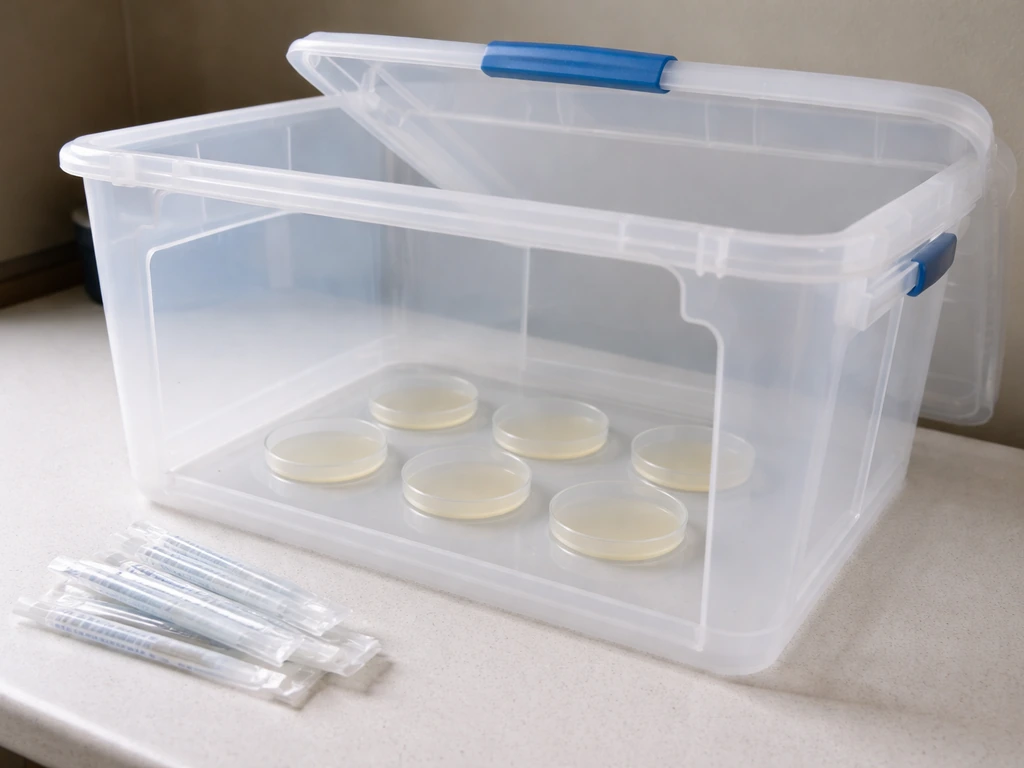
Even though fruiting A. muscaria indoors under normal conditions is not achievable, you will still need an indoor setup for the agar work, mycelium cultivation, and potential transfer stages. Here is what that looks like practically.
Sterile workspace
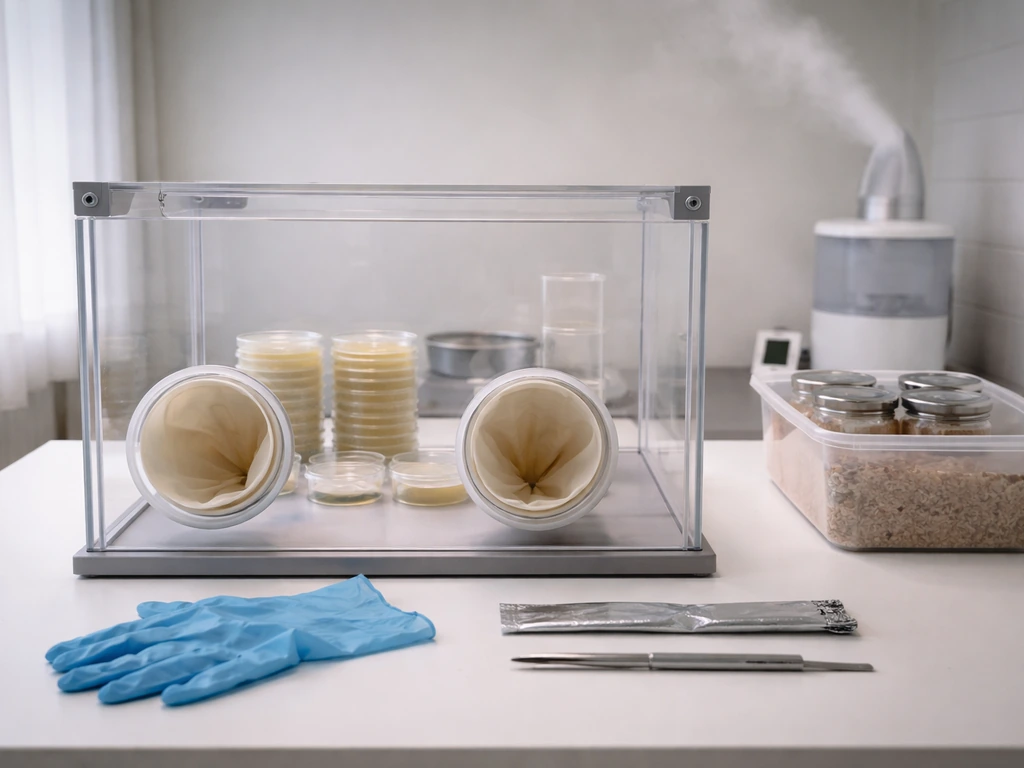
A still air box (SAB) built from a large clear storage tote is the minimum you need for agar transfers and spore inoculations. A laminar flow hood is better if you are serious. Either way, wipe surfaces with 70 percent isopropyl alcohol before every session. Fly agaric mycelium is slower growing than contaminants, so any lapse in sterile technique will likely result in green or black mold taking over before your Amanita has a chance.
Temperature and humidity for mycelium growth
For mycelial colonization on agar or grain, aim for 18 to 22 degrees Celsius (65 to 72 degrees Fahrenheit). A. muscaria mycelium is not a fan of heat. Keep cultures away from direct sunlight, which both raises temperature and can degrade mycelium. Light is essentially irrelevant at the colonization stage. Humidity matters for any outdoor seedling beds but is not a primary control variable for indoor culture work.
Fruiting chamber considerations for the outdoor approach
If you are setting up an outdoor mycorrhizal bed, the 'chamber' is your garden environment. You want partial shade (mimicking forest floor conditions), consistent moisture, and access to a compatible host tree. Birch is easiest to work with in temperate climates. Soil pH of around 5.0 to 6.5 is ideal. This is less about controlling a grow chamber and more about creating a microhabitat that matches where A. muscaria naturally fruits.
Substrate and container method for fly agaric at home
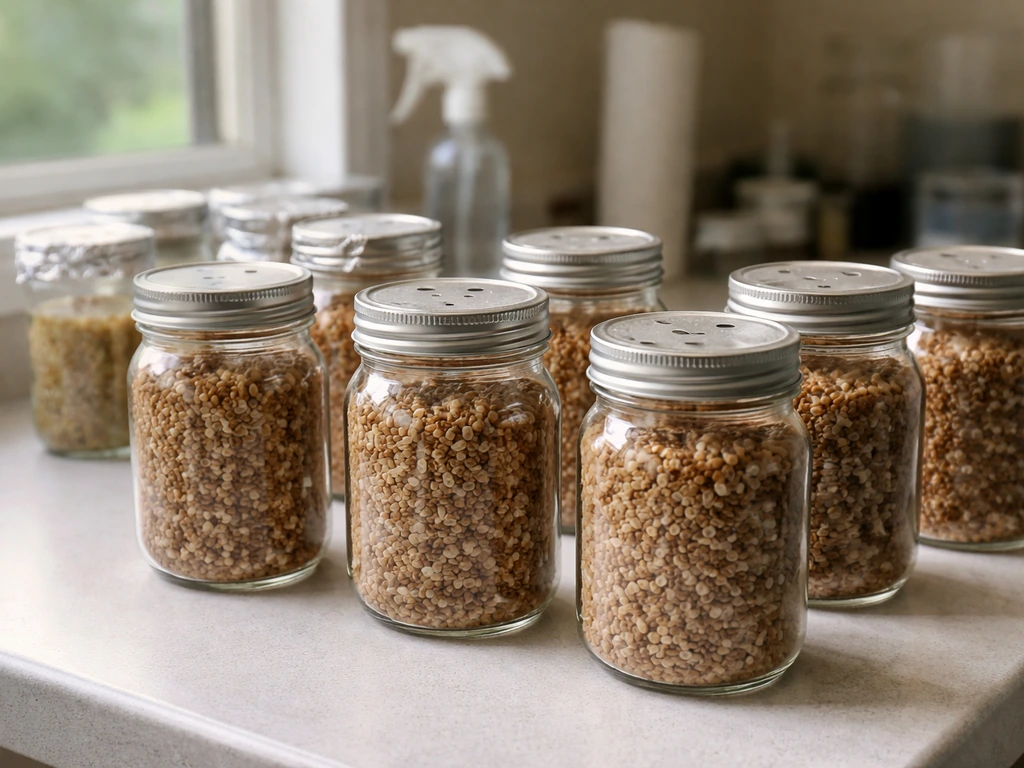
Here is where fly agaric breaks cleanly from every standard mushroom cultivation guide. Grain jars and sawdust blocks, the workhorses of home mushroom growing, are not fruiting substrates for this species. They can support vegetative mycelial growth, but they will never trigger fruiting because they provide no tree root interface.
For indoor mycelium cultivation (agar and grain)
Potato dextrose agar (PDA) and malt extract agar (MEA) both support A. muscaria mycelium well on plates and slants. For grain colonization, rye berry or brown rice flour and vermiculite (BRF/verm) jars work fine as a stepping stone to expand your culture, though again, these will not fruit. Sterilize grain at 15 PSI for 90 minutes in a pressure cooker, let cool fully before inoculating, and incubate at 18 to 22 degrees Celsius.
For the outdoor mycorrhizal bed
The outdoor bed substrate is a blend of native forest soil, peat moss, and coarse sand or perlite for drainage, with a pH adjusted to the slightly acidic range mentioned above. A mix of roughly 60 percent native soil, 25 percent peat, and 15 percent coarse sand works well as a starting point. You will inoculate compatible tree seedlings (birch, pine, or spruce) with your A. muscaria culture before planting, or apply inoculant to established young tree roots. Mulch the surface with wood chips or pine needles to retain moisture and mimic forest floor conditions.
Step-by-step growing cycle: inoculation through fruiting
Think of this in two overlapping tracks: the indoor lab track for building and maintaining your culture, and the outdoor track for working toward actual mushroom production.
- Start with agar: Transfer spores or live culture onto PDA or MEA plates in a sterile environment. Seal with Parafilm or micropore tape. Incubate at 18 to 22 degrees Celsius and expect slow, white to pale tan mycelial growth over 2 to 4 weeks. Make multiple plates to account for contamination losses.
- Expand to grain (optional): Once you have clean mycelium on agar, transfer small wedges to sterilized grain jars to expand your culture volume. This gives you more material for outdoor inoculation. Colonization can take 3 to 6 weeks at the temperatures above.
- Prepare host tree seedlings: Source young birch, pine, or spruce seedlings (1 to 2 year old seedlings work well). Before potting or transplanting, rinse roots gently with non-chlorinated water to remove existing soil microbes around the root tips. This gives your A. muscaria culture a better chance of colonizing without competition.
- Inoculate the roots: Mix grain spawn or agar-grown mycelium into a slurry with a small amount of non-chlorinated water. Dip the bare seedling roots in this slurry, or apply it directly to the root zone before backfilling with your prepared substrate mix. Some growers also inject spore or culture solution into the root zone of established young trees.
- Plant in your outdoor bed: Set up the mycorrhizal bed in a partially shaded spot, ideally near or under a mature compatible tree if you have one available. Plant inoculated seedlings at normal depth, water with non-chlorinated water, and mulch heavily. Water regularly enough to keep the soil consistently moist but not waterlogged.
- Colonization phase (months to years): This is the long game. The mycelium needs to establish a working mycorrhizal relationship with the tree roots before fruiting will occur. This can take 1 to 3 years or longer, depending on conditions. During this time, focus on maintaining tree health, consistent moisture, and minimal soil disturbance.
- Fruiting initiation: If conditions align (usually late summer to autumn in temperate climates, with a drop in temperature and adequate rainfall or irrigation), mushrooms may begin appearing. Fruiting is triggered by seasonal cues, primarily cooling temperatures and moisture, not by anything you can directly dial in the way you would with a fruiting chamber.
The honest timeline here is 2 to 5 years from inoculation to seeing your first mushrooms, if you see them at all. This is not a project for impatient growers, but the process of building the culture and the mycorrhizal bed is genuinely interesting work.
Common problems and troubleshooting
Contamination on agar or grain
This is the most common early failure point. A. muscaria mycelium grows slowly, which gives contaminants like Trichoderma (green mold), Penicillium (blue-green), and bacteria ample time to take over. If you are seeing contamination on multiple plates, review your sterile technique before blaming the culture. Check for drafts near your still air box, ensure your tools are flamed and cooled before touching media, and work quickly. Tossing contaminated plates outside of your workspace immediately prevents spread to clean cultures.
No fruiting after inoculation
If years pass without mushrooms appearing in your outdoor bed, work through this checklist: Is the host tree thriving? A stressed or dying tree will not support active mycorrhizal exchange. Is moisture consistent throughout dry periods? A. muscaria needs reliably moist (not wet) soil. Is there too much competition from other fungi already in the soil? In established garden beds with lots of organic matter and diverse microbial life, your introduced culture may simply be outcompeted. Refreshing the inoculant around the root zone after 2 to 3 years can help.
Slow or stalled mycelial growth
If your agar plates show almost no growth after 3 to 4 weeks, your culture may be stressed, old, or the temperature may be too low. Check that incubation temperature is consistently in the 18 to 22 degree Celsius range. If using a spore print as a starting point, some prints simply have low viability, and you may need a fresh source. Make a note to always start with more plates than you think you need for exactly this reason.
Tree seedling death after inoculation
This usually comes down to overwatering, poor drainage in the bed, or planting in a spot that is too exposed to sun and wind. Young seedlings with disturbed roots are vulnerable. Keep them well-watered but not waterlogged for the first few weeks, provide wind protection, and mulch heavily to moderate soil temperature. If a seedling dies, you can try inoculating a replacement using any surviving mycelium from the original root system mixed into the soil.
| Problem | Most likely cause | Fix |
|---|---|---|
| Green or black mold on agar | Contamination from poor sterile technique | Improve SAB or flow hood practice, flame tools, work faster |
| No mycelial growth after 4 weeks | Dead spores or old culture, too cold | Source fresh genetics, verify temperature is 18-22°C |
| No fruiting after 2+ years outdoors | Poor tree health, moisture stress, root competition | Boost tree care, refresh inoculant, check soil pH and drainage |
| Seedling dies post-inoculation | Overwatering, sun/wind stress, poor drainage | Improve drainage, add wind protection, mulch heavily |
| Mycelium on grain but no outdoor colonization | Inoculant not establishing against existing soil microbes | Reduce soil organic competition, reapply inoculant to root zone |
Harvesting and handling for safe, responsible use
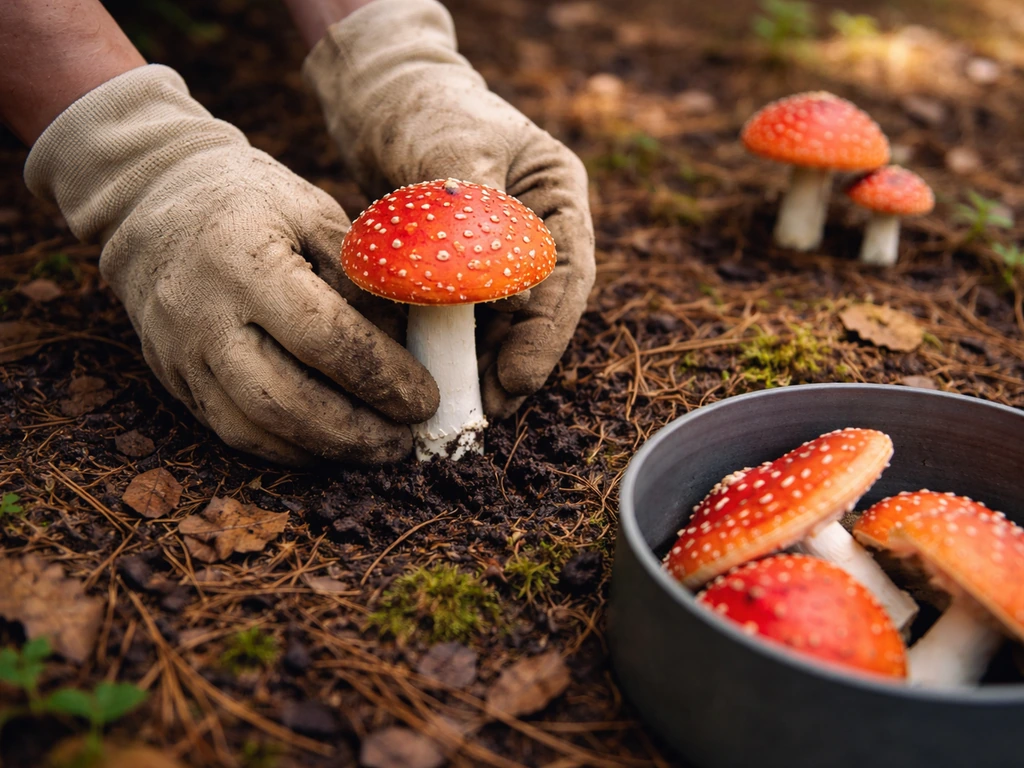
If you do reach the point of seeing mushrooms emerge from your outdoor bed, approach harvesting carefully. Amanita muscaria contains ibotenic acid, muscimol, and muscarine, all of which are biologically active and toxic in raw form. Ibotenic acid is a potent excitatory amino acid and converts to muscimol (the primary psychoactive compound) through decarboxylation, which happens when the mushroom is dried at temperatures above about 70 to 80 degrees Celsius. Eating raw or improperly prepared fly agaric can cause nausea, vomiting, confusion, and in serious cases, more severe neurological symptoms.
Harvest caps before the veil tears and the cap fully flattens, when the edges are still slightly curved downward. Twist and pull gently from the base rather than cutting, to avoid leaving material that could rot and introduce pathogens to the surrounding soil and root zone. Handle with clean hands or gloves, and wash hands thoroughly afterward. Do not allow children or pets access to harvested specimens or the growing area.
On the regulatory side, note that the FDA has explicitly stated that A. muscaria and its constituents do not meet food safety standards for conventional food use in the United States, and has flagged products containing muscimol and ibotenic acid as unapproved new dietary ingredients. The legal and safety landscape around consuming this species is evolving, but it is not a gray area from a regulatory standpoint currently. Research your local laws before doing anything beyond cultivation and observation.
For anyone growing fly agaric purely for research, spore study, or mycorrhizal ecosystem work (which is a legitimate and fascinating focus), none of the consumption considerations apply. Many serious mycologists work with A. muscaria purely for its ecological role, its striking appearance, and the challenge of cultivating mycorrhizal species in general. That alone is a worthwhile reason to take on this project.
Where to go from here
Your most useful immediate next steps are: source a verified A. muscaria culture or high-quality spore print from a reputable mycology vendor, set up a basic sterile workspace with a still air box and some PDA agar, and start growing out mycelium while you plan your outdoor bed and tree seedling sourcing. Once you understand the basics, you can follow a structured cultivation workflow to learn how to grow agarikon mushrooms from inoculation through a mycorrhizal outdoor bed. Do not wait until everything is perfect to start the agar work. Getting familiar with how this mycelium grows, how fast, what color, and how it responds to contamination pressure, will teach you more than any guide can.
If this project feels like a long investment (because it is), you might also consider running a faster-fruiting species alongside it to keep your growing skills sharp and your setup active. The techniques you build through agar work, sterile transfers, and environmental management apply directly to every mushroom species you will ever grow. Fly agaric just takes those skills and adds patience on top.
FAQ
Is there any way to get fly agaric to fruit indoors in a home setting, even if it is not fully reliable?
You can sometimes see short-term surface growth from an Amanita culture indoors, but true mushroom formation still requires a compatible living ectomycorrhizal host root system. If you want to experiment, the most realistic “indoor” compromise is keeping host seedlings indoors in controlled conditions and focusing on successful mycorrhizal colonization, then moving outdoors when the bed is established.
What host trees are compatible, and can I use whatever I have available?
A. muscaria typically works best with certain ectomycorrhizal hosts, especially birch, pine, fir, and spruce. Trying to inoculate an unrelated tree species commonly leads to slow colonization without fruiting, so decide on your host species first, then source inoculum and a matching seedling from the start.
How long should I wait for agar or grain to show growth before assuming something is wrong?
For fly agaric, slow growth is normal, but if you see almost no visible change after about 3 to 4 weeks, treat it as a signal to troubleshoot (temperature consistency, culture age, or low spore viability). Also remember that a spore-based start can require multiple attempts, so starting extra plates reduces “false failure” due to a single weak source.
Do I really need laminar flow, or is a still air box enough for sterile work?
A still air box can be enough for many basic agar transfers if your technique is solid and drafts are minimized. Laminar flow tends to improve repeatability, especially when you are working quickly or with multiple plates, but contamination control still depends more on workflow discipline than on the equipment alone.
What contamination pattern is most likely with Amanita cultures, and what should I change first?
The most common early issue is green or black mold taking over, because fly agaric mycelium is slower than many contaminants. If multiple plates fail, adjust sterile steps first (reduce drafts around the SAB, flame and cool tools before contact, work faster once gloves touch sterile surfaces) rather than immediately blaming the culture source.
Can I reuse my outdoor bed soil from a previous attempt, or should I replace it?
If the bed has been sitting and your host is healthy, you can often keep using the same area, but competition from existing soil fungi can reduce success. If several years pass without results, consider refreshing the inoculum around the root zone (and lightly improving the microhabitat drainage and pH) rather than completely discarding the bed.
What pH and moisture goals matter most outdoors, and what mistakes cause seedlings to fail?
Aim for slightly acidic soil, roughly in the 5.0 to 6.5 range, and keep moisture consistent during dry spells without leaving the area waterlogged. Seedling failure often happens when the root system is disturbed, the spot gets too hot from direct sun, or wind dries the surface too quickly, even if you occasionally water.
If my inoculated seedling dies, is there still a chance to salvage the project?
Yes, sometimes. If any surviving mycelium remains in the root-adjacent soil, you can try inoculating a replacement seedling by mixing surviving material from the original root zone into the new planting area. The key is to not over-disrupt the remaining colonized soil, and to continue stable conditions for the replacement.
Why does grain or sawdust not work for fruiting, if mycelium grows on it?
Those substrates can support vegetative growth, but they do not provide the living tree-root interface required for ectomycorrhizal fruiting. Think of grain or BRF/verm as a stepping stone to expand culture, not a substitute for establishing the mycorrhizal relationship outdoors.
How can I tell whether I have an active mycorrhizal relationship rather than just “some fungi in the soil”?
A practical sign is consistent colonization and stable host health over time, with no abrupt die-off after inoculation. You can also re-check inoculated seedling performance season to season, because successful ectomycorrhizal partners typically persist and integrate rather than vanishing after early growth phases.
What is the safest way to handle and store harvested caps if I am only doing observation?
Treat harvested material as toxic and biologically active. Store it securely out of reach of children and pets, keep it sealed to reduce exposure and odor, and handle with clean gloves so you do not contaminate your workspace. Even for “observation only,” avoid touching your face and wash hands thoroughly afterward.
Do the regulatory and food-safety concerns apply if I am not consuming the mushrooms?
The risks related to ingestion do not apply if you are only cultivating, observing, and not preparing or consuming. However, the material still contains biologically active compounds, so disposal and storage should be handled responsibly, and you should still follow local rules for cultivation and any possession-related requirements.