No, you cannot grow truffles hydroponically in the traditional sense. True hydroponics means growing in a water-based, soil-free system, and truffles cannot fruit in that environment. They are ectomycorrhizal fungi, meaning they absolutely require a living symbiotic relationship with the roots of a compatible host tree to produce fruiting bodies. No tree roots in soil, no truffles. That said, if what you really want is a controlled, almost clinical growing setup that gives you the best shot at producing truffles at home, there is a realistic path forward. It just looks more like a carefully managed container garden than a hydroponic rig.
Can You Grow Truffles Hydroponically? Practical Guide
Marcus Holloway
20 May 2026
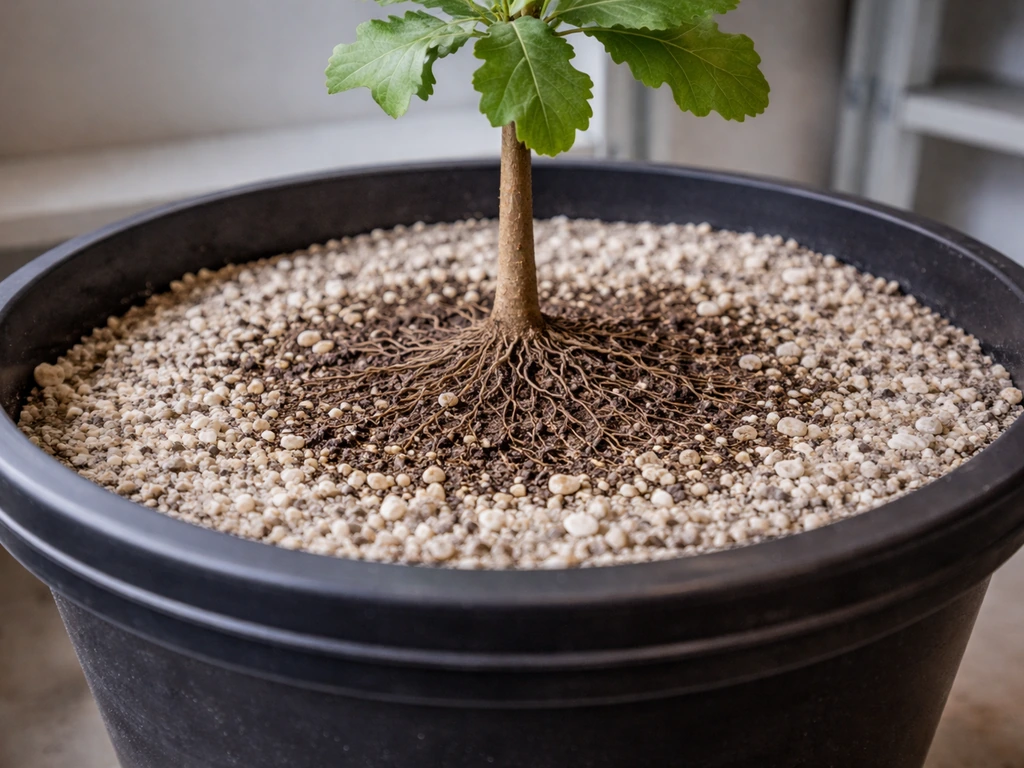
Hydroponics vs. truffle biology: why they don't mix
To understand why hydroponics fails for truffles, you need to understand what truffles actually are. Truffles like Tuber melanosporum (the prized black Périgord truffle) are not free-living fungi that grow wherever you put them. They are ectomycorrhizal fungi, which means they colonize the fine feeder roots of compatible host trees and form a biological partnership. The fungus wraps around and penetrates the root tissue, exchanging mineral nutrients and water it pulls from the soil for carbohydrates the tree produces through photosynthesis. Without that exchange happening continuously, the fungus cannot build up enough energy or chemical signaling to develop fruiting bodies underground.
Hydroponic systems are designed to deliver nutrients directly to roots in water, bypassing soil entirely. That works beautifully for tomatoes, lettuce, or herbs because those plants are autotrophs that just need nutrients, light, and water. Truffles are not the plant. They are the fungus living on the plant's roots, and the fungal network they build through soil (called the extraradical mycelium) is where truffle bodies actually form. Strip out the soil and the host tree and you have removed both halves of the equation. There is no credible peer-reviewed research or extension-level horticultural source showing that true culinary truffles have been fruited in a hydroponic or water-culture system.
What truffles actually need to grow
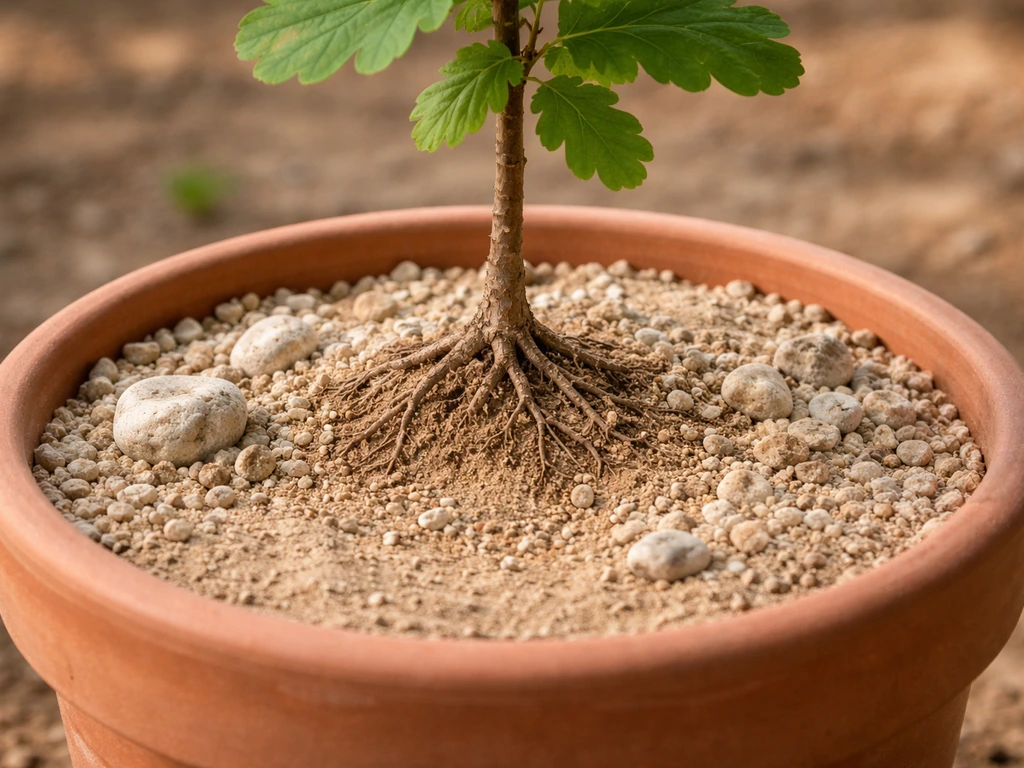
Truffles have a reputation for being impossibly difficult, and part of that reputation is earned. Here is what the biology actually demands, and why each element matters.
- A compatible host tree: Black truffles (T. melanosporum) associate most reliably with oaks (Quercus robur, Q. ilex) and hazelnuts (Corylus avellana). Oregon white truffles (Tuber oregonense) work with Douglas fir and other conifers. The species pairing matters enormously.
- Mycorrhizal colonization: The truffle mycelium must colonize the host's feeder roots before any fruiting can happen. Commercial operations describe colonization quality as determining whether an orchard produces at all. Poor inoculation equals no truffles, period.
- Soil chemistry: Truffles prefer well-drained, alkaline soils with a pH of roughly 7.5 to 8.3. Heavy clay or acidic soils inhibit colonization. Calcium content is especially important.
- Climate and seasonality: Most culinary truffles need hot, dry summers and cool, wet autumns. They use seasonal temperature swings as cues for fruiting.
- Time: Even under ideal conditions, a properly inoculated truffle seedling takes a minimum of 4 to 7 years before producing its first truffle. Most trees take longer.
Michigan State University's truffle research program emphasizes the ectomycorrhizal relationship with trees like oaks as the foundation of all truffle cultivation. This is not a detail you can engineer around. It is the core biological mechanism.
What people usually mean when they say 'hydroponic truffles'
When I see growers asking about hydroponic truffles online, they usually mean one of three things, and none of them is true hydroponics.
- They want a controlled, indoor-friendly setup without a full orchard. They picture something clean, precise, and manageable inside a room or greenhouse, similar to the controlled environment of a hydroponic grow. That instinct is actually good. A containerized, indoor truffle system is a real thing, but it still uses soil or a soil-like substrate and a living seedling.
- They have seen 'lab-grown' or 'in vitro' truffle mycelium products. You can culture truffle mycelium in a petri dish or liquid culture, and some researchers do this to study the fungus or produce inoculant. But mycelium in a flask is not a fruiting truffle. It is the same distinction as growing wheat germ versus growing a loaf of bread.
- They have encountered products marketed as 'hydroponic truffle kits.' These are almost always either scams, heavily misrepresented products, or kits for growing truffle-flavored mushrooms (typically a different species entirely). Real truffle cultivation kits involve inoculated seedlings, not a tub and some nutrient solution.
If you have been down any of those rabbit holes, you are not alone. The truffle space has a lot of marketing noise. The honest reality is that if you want real truffles, you are growing trees, not running a hydro setup.
The realistic at-home truffle plan: container cultivation with controlled conditions
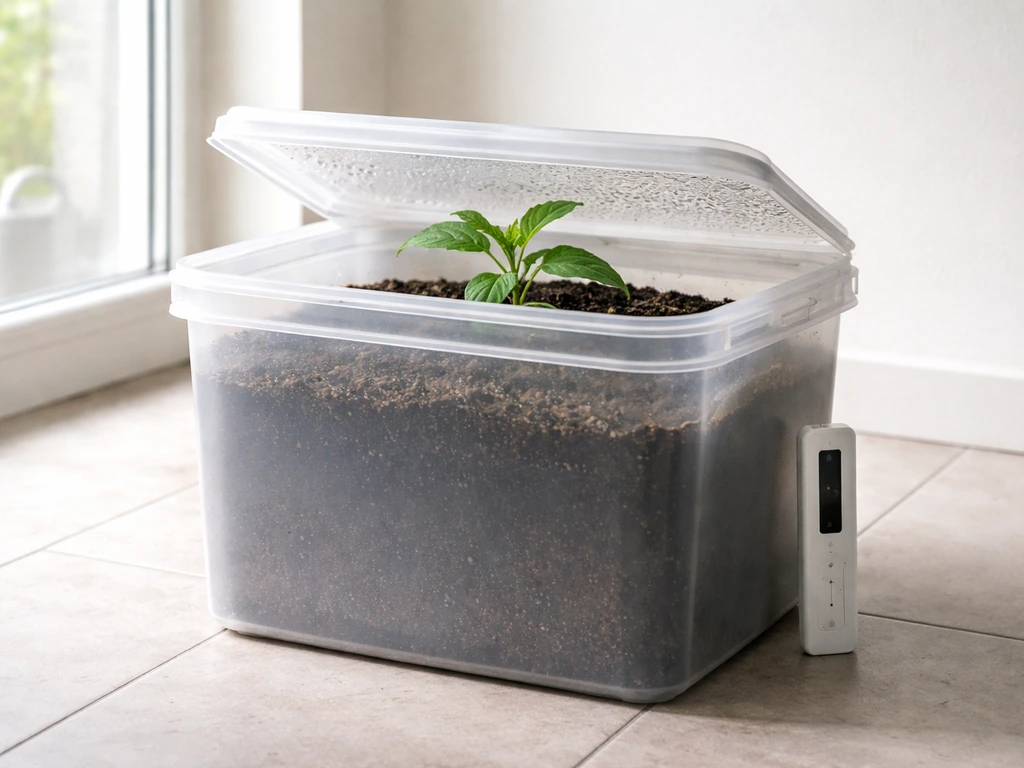
Here is where things get actually useful. You can apply these container methods to aim for purple mushrooms in Stardew Valley by focusing on the right in-game conditions and timing. You cannot do true hydroponics, but you can build a controlled container system that mimics the cleanliness and precision of a hydroponic setup while giving truffles the soil and tree roots they need. This approach works best for growers in climates that do not match truffle country (no outdoor truffle orchard possible) or for anyone who wants to start small, manage closely, and learn the biology before committing to a full yard installation.
The basic concept is this: you grow a truffle-inoculated host tree seedling in a large container filled with a carefully prepared alkaline substrate, control the environment around it (temperature, humidity, irrigation, and contamination), and wait. The container gives you control over soil chemistry that an outdoor orchard does not. You can dial in pH, adjust moisture, and protect the root zone from competing fungi, which are actually the biggest killer of truffle mycorrhiza in both outdoor and indoor setups.
Why containers can actually outperform open ground for beginners
In an open-ground orchard, you are fighting soil biology constantly. Native fungi, bacteria, and competing mycorrhizal species move in and crowd out the truffle mycelium. In a container with a sterile or pasteurized substrate, you reduce that competition dramatically. You also get to monitor the root zone directly, adjust irrigation precisely (mimicking that hot-dry, cool-wet seasonal rhythm manually), and move the tree if needed. The tradeoff is that you need a large container (100 gallons or more for a mature tree) and the tree will eventually outgrow any container, which means you are committing to eventually transplanting or replacing it.
Getting started: host species, inoculated seedlings, and setup
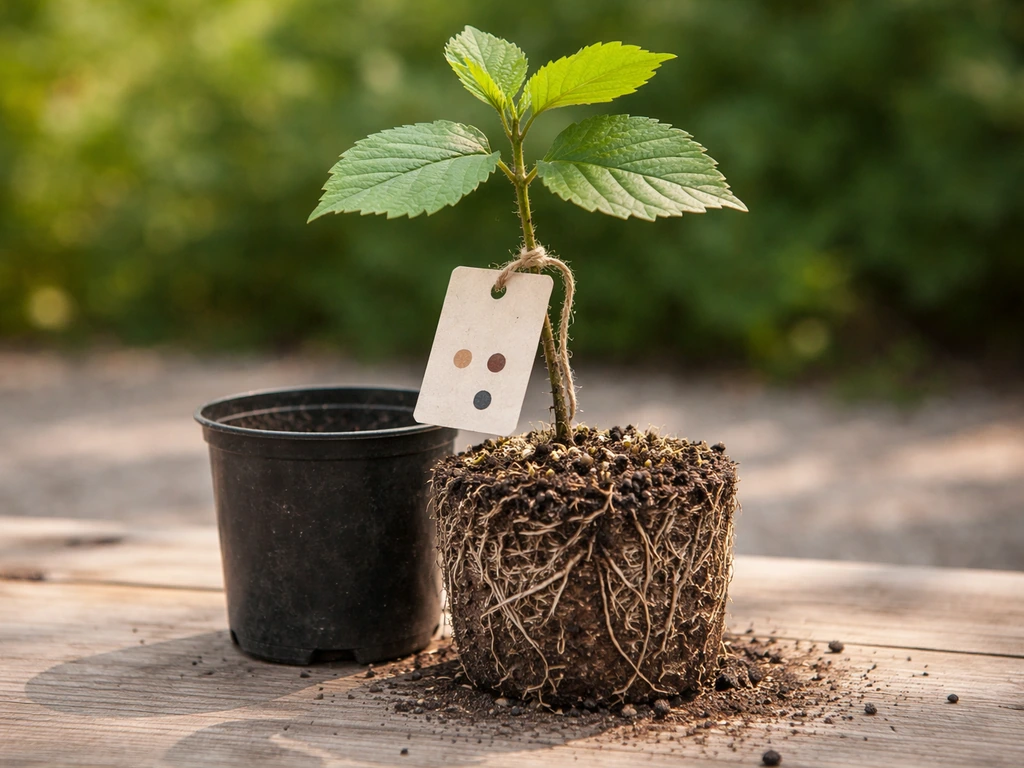
Choosing your host tree and truffle species
The most accessible pairing for home growers is hazelnut (Corylus avellana) inoculated with T. melanosporum (black Périgord truffle) or T. aestivum (Burgundy truffle). Hazelnuts grow faster than oaks, work in containers more forgivingly, and reach productive size in less time.
Oaks produce truffles of higher commercial value but take longer and need much more root space. If you are in a region like Georgia, North Carolina, or Wisconsin where outdoor truffle orchards are being experimentally tested, the species pairing also shifts based on local climate, and a containerized indoor system may let you extend your season or avoid climate mismatch entirely.
If you are in North Carolina, you will still start the same way with an appropriate host species and truffle inoculation, then manage conditions so the fungus and tree can form and fruit how to grow truffles in North Carolina. To learn how to grow truffles in Georgia with realistic expectations, focus on a suitable host, inoculated seedlings, and a controlled container system that matches truffle needs outdoor truffle orchards are being experimentally tested.
Buy inoculated seedlings, not bare seeds
Do not try to inoculate seedlings yourself unless you have lab experience and a clean space for working with fungal cultures. Buy truffle-inoculated seedlings from a reputable nursery that can show you mycorrhizal colonization rates (look for 70% or higher colonization on feeder roots, verified under a microscope or by a lab). Buy truffle-inoculated seedlings from a reputable nursery that can show you mycorrhizal colonization rates, because truffle cultivation depends on forming a mycorrhizal symbiosis between the truffle species and a compatible host tree. Before buying, ask the nursery whether colonization was independently verified. This single step, buying a well-colonized seedling, is the most important decision in the whole process. A poorly inoculated seedling wastes years of your life.
Building your container substrate
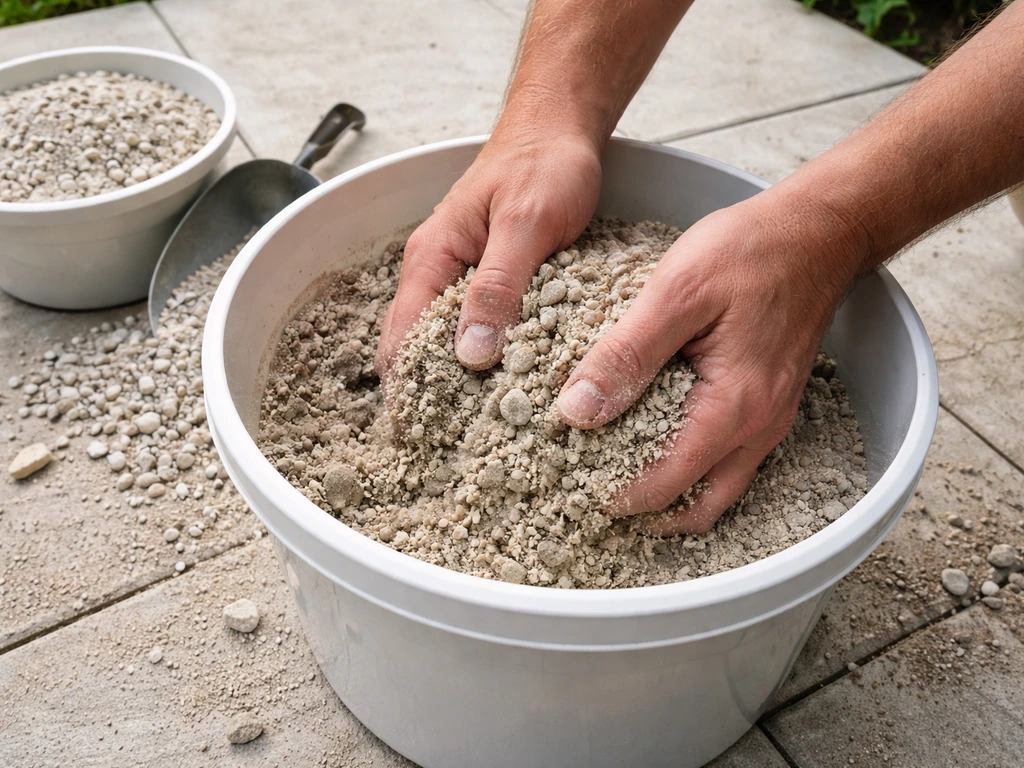
Your substrate needs to be alkaline, well-draining, and low in organic matter. A good starting mix is approximately 60% crushed limestone gravel or calcareous soil, 30% coarse sand, and 10% mature compost (well-aged and low in competing fungi). Target a pH between 7.8 and 8.2 before planting. Use a reliable pH meter and adjust with agricultural lime if needed. Fill a minimum 25-gallon container for a young seedling, planning to upsize to 65 to 100 gallons within 2 to 3 years as the root system expands. Make sure your container has excellent drainage. Waterlogged roots destroy mycorrhizal networks fast.
Environmental targets and contamination control
This is where the 'hydroponic-style control' mindset actually does pay off. Treat your container truffle setup with the same rigor a hydroponic grower applies to their reservoir. Monitor constantly, intervene early, and keep everything clean.
| Parameter | Target Range | Why It Matters |
|---|---|---|
| Substrate pH | 7.8 to 8.2 | Outside this range, truffle mycelium colonization drops sharply |
| Soil moisture (summer) | Dry to slightly damp | Mimics the hot, dry summers truffles need as a seasonal cue |
| Soil moisture (autumn/winter) | Consistently moist, not saturated | Triggers fruiting body development in most Tuber species |
| Air temperature (growing season) | 65 to 85°F (18 to 29°C) | Supports active tree growth and mycelial expansion |
| Air temperature (dormancy/fruiting) | 35 to 50°F (2 to 10°C) | Cold period is essential for most culinary truffles to initiate fruiting |
| Relative humidity (above ground) | 50 to 70% | Keeps the tree healthy without promoting surface mold on the substrate |
| Substrate contamination check | Every 4 to 6 weeks (visual + smell) | Competing fungi (especially Trichoderma) are the top failure point |
Contamination is your biggest enemy, and it works slowly. Competing fungi, especially green molds like Trichoderma, will colonize your substrate and physically displace truffle mycelium from feeder roots. Signs of a problem include patches of green, white, or black surface mold on your substrate, a sour or fermented smell in the root zone, or a sudden decline in the tree's health (pale leaves, stunted growth). If you catch surface mold early, carefully remove the affected substrate down to 2 to 3 inches, replace with fresh alkaline mix, and add a light dusting of agricultural lime to the surface. Do not use fungicides. Most broad-spectrum fungicides will kill your truffle mycelium along with the contaminant.
Irrigation: the seasonal rhythm you have to replicate
One of the smartest things you can do with a container system is put your irrigation on a programmable schedule that mimics natural truffle country seasonality. From late spring through midsummer, water minimally, just enough to keep the tree from drought stress. From late summer into autumn, increase watering gradually. This seasonal shift in soil moisture is a critical trigger for truffle fruiting. Consistent watering year-round, which most people default to, suppresses fruiting even in well-colonized trees.
Timeline, honest expectations, and troubleshooting
What to realistically expect and when
I want to be straight with you here: truffle cultivation is the longest-game project in the fungi world. If you are actually asking about the game, the steps for how to grow truffles in Stardew Valley are completely different from real-world truffle cultivation. Even with a perfectly inoculated hazelnut seedling, ideal substrate chemistry, and flawless environmental management, you are looking at a minimum of 4 to 5 years before you might find your first truffle. Oaks typically take 7 to 10 years. Most container setups take longer than outdoor orchards because containers limit root spread, which limits the surface area of mycorrhizal colonization. This is not a failure of your system. It is just the biology.
- Year 1: Focus entirely on tree establishment and maintaining substrate pH. Do not disturb roots. Monitor for contamination monthly.
- Years 2 to 3: The tree should show healthy growth. Upsize your container if roots are circling. Continue pH and moisture management. Some growers do a gentle, partial substrate core sample in year 3 to check for white truffle mycelium on feeder roots (looks like a white cottony sheath).
- Years 4 to 5 (hazelnut) or Years 6 to 10 (oak): First potential fruiting window. In late autumn after the cold period, probe the substrate gently around the base of the tree looking for small, warty, dark-colored bodies just below the surface. Use a truffle dog or truffle rake lightly. Do not dig aggressively.
- Ongoing: Truffle production, once started, can continue for decades in a well-managed tree. Container growers typically need to transplant to a larger permanent container or outdoor bed by year 5 to 7 as the tree matures.
Common failure points and how to fix them
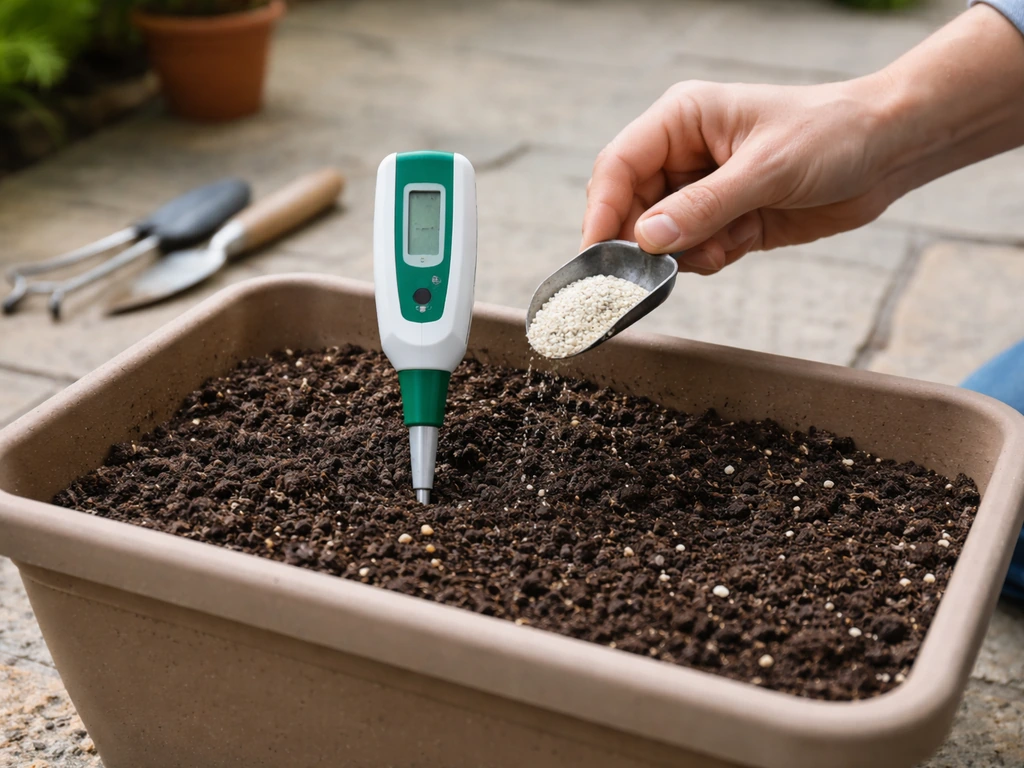
- pH drift: Substrate pH can drop over time as organic matter breaks down and irrigation water acidifies the mix. Test every 6 to 8 weeks and top-dress with agricultural lime if pH falls below 7.5.
- Poor initial colonization: If you suspect your seedling was under-colonized at purchase, there is no reliable way to re-inoculate an established root system at home. Prevention (buying from a verified nursery) is the only real solution.
- Overwatering: This is the most common beginner mistake. Saturated substrate kills truffle mycelium faster than almost anything else. Get a soil moisture meter and use it.
- Skipping the cold period: If you are growing indoors, you must simulate winter. Move the container to an unheated garage, basement, or outdoor covered space for 8 to 12 weeks where temperatures stay between 35 and 50°F. Without this cold period, fruiting will not initiate.
- Competing fungi takeover: If contamination is widespread and recurring, consider a full substrate replacement. Remove the tree carefully, rinse bare roots gently, and replant into fresh sterile substrate. This is drastic but sometimes necessary.
- Impatience: Digging aggressively to look for truffles before year 4 or 5 damages the feeder root network and can set your timeline back by a year or more. Use a probe or a trained truffle dog, and only search in late autumn.
The container approach described here is the most realistic path for a home grower who wants real truffles but does not have the land, climate, or decade-long commitment of a full outdoor orchard. It gives you the precision and control that make hydroponics appealing, applied to a system that actually matches truffle biology. It is genuinely hard, the timeline is long, and the failure rate among beginners is high. But for the grower who is serious, methodical, and patient, producing your own truffles at home is not impossible. It just requires working with the fungus, not against it.
FAQ
Can I set up a water-culture system and still get truffles if I inoculate the roots with the fungus?
No. Truffles require an ectomycorrhizal partnership where the fungus grows on feeder roots and forms underground structures in soil. Water-only systems remove the soil environment needed for the mycelium network to develop and fruit reliably.
What do people usually mean when they ask “hydroponic truffles”?
Most are actually asking for a soil-less or low-soil container approach, or for a very controlled irrigation and cleanliness routine. True hydroponics (water-only, soil-free) does not fit truffle biology, but container cultivation with sterile or pasteurized substrate does.
Is a “soilless mix” the same as hydroponics for truffles?
Not automatically. If your system is still a solid, alkaline, well-draining substrate where feeder roots can colonize and the fungus can establish, it can work as a controlled container method. Hydroponics specifically removes the solid root medium and replaces it with water culture.
How can I tell if my container truffle system is contaminated before it harms the mycorrhiza?
Watch the root-zone surface closely for new mold patches and track tree vigor. Early indicators include sudden surface mold growth, off odors (sour or fermented), or a change in leaf color and growth rate. If you see issues early, remove only the affected top portion and replace with fresh alkaline mix.
Do I need to use fungicides if I see mold in the substrate?
Avoid fungicides. Broad-spectrum products commonly harm beneficial mycelium as well, which can eliminate your truffle symbiosis. Instead, physically remove the contaminated substrate layer and refresh with properly prepared material.
Can I sterilize everything with heat or chemicals to make the system “like hydroponics”?
You can reduce competitor fungi by using sterile or pasteurized substrate, but avoid leaving chemical residues that can affect root health or the truffle fungus. Stick to reliable pasteurization approaches for substrate and prioritize clean handling rather than repeatedly treating with disinfectants.
Do truffles need fertilizer like vegetables do?
Usually not in the same way. Over-fertilizing can disrupt the delicate nutrient exchange between host and fungus. Focus on getting the substrate chemistry right (alkalinity, drainage, low competing organics), then provide only what the host tree requires for healthy growth without pushing high, constant nutrients.
What container size is actually “enough,” and when should I upsize?
Plan to upsize as roots expand, because containers limit colonization area. A young tree may start around a quarter of a hundred gallons, but you should expect significant growth within 2 to 3 years and move into a larger container before the roots become restricted.
Can I move the tree indoors or use a greenhouse to replace outdoor conditions?
Sometimes, but you still must replicate the right environmental triggers, especially seasonal shifts in soil moisture. Greenhouses can help with contamination control, yet consistent year-round irrigation is a common mistake that suppresses fruiting, even when other conditions look good.
Is it worth buying inoculated seedlings if the colonization rate is not verified?
Usually no. The highest-impact purchase decision is selecting seedlings with independently verified high colonization on feeder roots. If the seller cannot confirm colonization with lab or microscope evidence, you risk wasting years without a functioning symbiosis.
Do hazelnuts always fruit earlier than oaks in a container system?
They generally do because they grow faster and reach productive size sooner, which helps shorten the timeline. However, container limits and contamination still govern outcomes, so faster growth does not guarantee fruiting, it only improves your odds of getting there sooner.
Can I grow truffles in my climate if outdoor orchards fail there?
You may improve your odds with a container system because you can control temperature, irrigation timing, and contamination pressure. Still, you must match the host and truffle species to local conditions and manage seasonal moisture changes, not just build a controlled container.